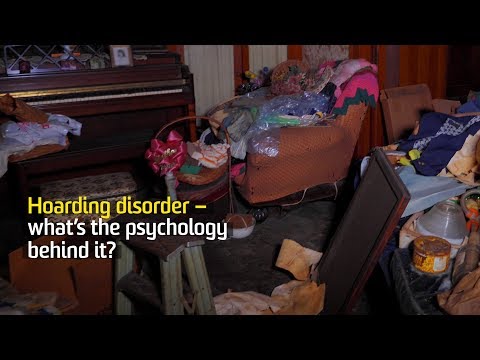
You know how sometimes you walk into someone’s house and it feels like a total maze of stuff? Like, it’s not just clutter, but an overwhelming amount of things everywhere?
Hoarding is a real thing. It’s more than just being messy or loving your collectibles. It can actually mess with someone’s life in big ways.
Imagine feeling stressed out in your own home because there’s just too much going on around you. Seriously, it can be tough.
So let’s chat about what hoarding really means, and how to spot it when it goes beyond the «I might need this someday» phase. It’s not just about the piles of stuff; it’s about what’s going on inside too.
Understanding Hoarding: Key Diagnostic Criteria Explained
Understanding hoarding is pretty complicated, but let’s break it down. Hoarding isn’t just about having a messy house; it’s a real mental health condition that often goes unnoticed. It can affect anyone, and it comes with its own set of challenges.
To get a clearer picture, we’ll dive into the key diagnostic criteria for hoarding disorder. This info basically comes from the DSM-5, which is like the handbook for diagnosing mental health conditions. Here’s what you need to know:
- Persistent difficulty discarding items: People with hoarding disorder find it really tough to part with possessions. Even things that seem pointless to others—like old newspapers or broken items—hold significant emotional value.
- Accumulation of items: This leads to an excessive build-up of stuff in their living spaces. It can make everyday activities, like moving around the house or using basic utilities, really tough.
- Distress caused by the behavior: The person often feels a lot of distress over their inability to get rid of things. Maybe they feel anxiety when thinking about tidying up or guilt for not being able to manage their stuff.
- Not due to a medical condition: It’s important that hoarding isn’t linked to another medical issue or better explained by another mental health disorder—like obsessive-compulsive disorder (OCD). People can have both conditions, but they’re distinct from each other.
- Affects daily functioning: The clutter doesn’t just mess up their space; it disrupts daily life. You might hear stories of someone who can’t even cook dinner anymore because there’s no room on the counters!
You know how sometimes we keep stuff because we’re emotionally attached? Well, for someone with hoarding disorder, this attachment is magnified—like on steroids! I remember a friend telling me about her uncle who kept every birthday card he ever received since childhood. And while sentimental value is sweet, his home was so packed that he had trouble even finding his way through the hallways!
Treatment for hoarding usually involves therapy rather than medication alone; cognitive-behavioral therapy (CBT) is often recommended. The goal here is to help individuals challenge and change their beliefs about possessions while learning skills that allow them to make decisions about what they really need.
So yeah, understanding hoarding goes beyond surface-level messiness—it taps into deep emotional issues and has major implications on daily life!
Understanding the Psychological Assessment Process for Hoarding Disorder
Hoarding disorder can be a complex issue that often needs a professional touch to really untangle. So, what’s the first step? Psychological assessment is crucial here, and it involves a few key parts to get an accurate picture of what’s going on.
First off, it all starts with a comprehensive interview. A mental health professional will chat with you about your behaviors, feelings, and experiences related to hoarding. They might ask questions like: “When did you first notice the urge to collect things?” or “How does the clutter affect your daily life?” This helps them understand the full context of your situation.
Next up is standardized questionnaires. These are like surveys that ask specific questions about your hoarding habits. They can cover areas such as how many items you keep, how often you acquire new things, and any emotional distress tied to your possessions. The answers help create a clearer picture regarding severity and impact.
Now, the really critical part involves evaluating functional impairment. This means looking at how hoarding affects various aspects of life—think relationships, self-care, or work. For example, if someone puts off cleaning so much that it starts causing issues at work or home, that’s something worth discussing in detail.
Another piece of the puzzle is ruling out other mental health conditions. Sometimes, hoarding isn’t just hoarding; it could be tied into other disorders like anxiety or depression. That’s why thorough assessment is super important. You don’t want to miss underlying issues that might be affecting your mental wellbeing.
Also important? Looking at co-occurring conditions. Many people who hoard also deal with anxiety or OCD-like symptoms. Understanding these overlaps can make treatment more effective because approaches might have to vary based on what else is going on mentally.
And let’s not forget about family history and environmental factors! Sometimes hoarding tendencies can run in families or may be influenced by significant life changes such as loss or trauma. Discussing these with your assessor helps fill in more pieces of the puzzle.
At this point in the process—after gathering all this info—the professional will typically provide feedback and maybe even an initial diagnosis according to established criteria from manuals like the DSM-5 (Diagnostic and Statistical Manual of Mental Disorders). It lays out what qualifies as hoarding disorder: persistent difficulty discarding items leading to clutter that disrupts living spaces.
Finally, don’t overlook the role of self-assessment tools. While professionals are key players here, some people find it helpful to reflect on their own behaviors before meeting someone for assessment. There are various resources online providing insight into personal tendencies around collecting and saving things.
In summary: when assessing for hoarding disorder, expecting a thorough approach makes sense. From interviews to questionnaires and understanding functional impact—all these steps help professionals figure out what’s happening inside your head and home!
Understanding the Psychological Roots of Hoarding: Key Insights and Causes
Hoarding can feel like a heavy topic, but it’s something many people struggle with. When we talk about hoarding, we’re looking at more than just messy rooms or stacks of stuff. There are deep psychological roots that can really help us understand what’s going on. Let’s break it down a bit.
What is Hoarding?
At its core, hoarding is not just about having too much stuff. It’s a mental health condition where someone feels an intense need to keep items, no matter how unimportant they may seem to others. This leads to clutter that disrupts daily life and living spaces.
Key Psychological Criteria
There are specific psychological criteria for identifying hoarding behavior. These criteria help mental health professionals understand the severity and impact of the condition:
- Persistent Difficulty Discarding Items: Even if these items are damaged or useless, individuals struggle to let go.
- Cluttered Living Spaces: Spaces become so overcrowded that it’s hard to use rooms for their intended purpose.
- Significant Distress: People often feel anxious or upset about their inability to part with items.
- Functional Impairment: This could mean problems with relationships, work, or other daily functions because of the clutter.
So what causes this? Well, there’s no single reason why someone might start hoarding. It usually comes from a mix of different factors.
Emotional Attachment
Many people who hoard develop emotional connections to their belongings. For instance, you might come across an old toy from childhood and suddenly remember all the good times associated with it. This attachment makes it tough to throw things away.
Anxiety and Fear
For some folks, hoarding behavior can stem from anxiety disorders. There might be fears about losing important items or concerns that they’ll need something later on. This fear can create a sort of safety net around their belongings.
Past Trauma
It’s not uncommon for individuals who struggle with hoarding to have experienced trauma in their lives—like loss or major changes—whether it’s the death of a loved one or moving as a child. Stuff becomes a way to cope with those feelings.
Cognitive Deficits
Some research suggests that cognitive issues can also play a role. People who hoard may have trouble organizing information or making decisions about what matters most in their lives.
Anecdote Time
I remember talking to someone who stored every single birthday card they’d ever received. Their home was filled with stacks—so many cards! They said keeping them made them feel loved and connected to family members, even those they hadn’t seen in years. It was touching but also overwhelming because their space felt unlivable.
Understanding these psychological roots helps us see that hoarding is not just laziness or lack of organization; it runs much deeper than that. Getting help means exploring these feelings and anxiety while learning healthier ways to cope—and that’s where therapy really shines!
In short, if you or someone you know is dealing with this issue, remember there’s hope and support out there!
Hoarding behavior can be one of those things that just creeps up on you, right? Like, you’re at a friend’s house and they’ve got stacks of newspapers from the 90s or a collection of random stuff that makes you raise an eyebrow. But what really gets complicated is when it starts to affect their life and relationships.
So, let me break it down a bit. When we talk about hoarding, it’s not just about having a lot of stuff lying around; it’s more about how that stuff impacts someone’s daily life. Mental health professionals look for specific criteria to figure this out. They think about how difficulty in discarding items occurs and the level of distress this causes. Picture someone feeling overwhelmed thinking about sorting through years of belongings—it’s tough.
I remember hearing about this guy named Tom. He was sweet but had so many things cluttering his small apartment that he’d often forget where he put his keys! It got to the point where he was losing friends because they felt uncomfortable visiting him. Tom didn’t even realize how much stress his environment was causing him until a close friend sat him down for an honest chat.
The criteria often includes symptoms like persistent difficulty discarding or parting with possessions, regardless of their actual value. And there’s also this emotional attachment to objects, which is pretty wild if you think about it. Something that seems worthless to one person might hold deep significance for another—like that shoelace collection Tom had from every pair he ever owned!
Also, these behaviors usually come with some level of impairment in functioning—meaning it makes daily tasks harder, like cooking dinner when the kitchen is packed with things you don’t need anymore. Seeing all these items can lead to shame or embarrassment too, so folks might isolate themselves even more.
If you’re curious about why hoarding becomes a thing in the first place, it’s often tied to anxiety or other psychological conditions. People might find comfort in keeping items from their past or fear making wrong decisions about what to keep or toss.
So yeah, recognizing hoarding behavior isn’t just about having too much stuff; it’s really about understanding the emotional weight behind those items and how they shape someone’s life experience. It can be heart-wrenching and overwhelming—to say the least! With the right help and support though, there’s always hope for finding balance again.