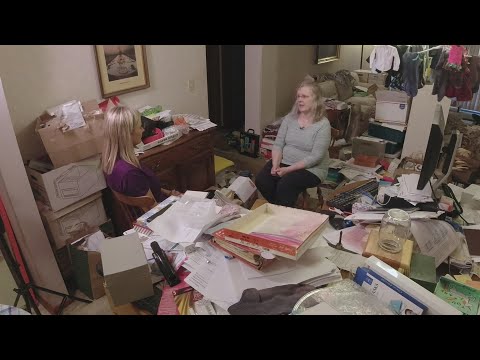
You know, hoarding isn’t just about stuff. It’s way deeper than that.
Imagine you walk into someone’s home and it looks like a scene from a reality show. Furniture buried under mountains of newspapers, stacks of old shoes, and who knows what else? Seems wild, right?
But the thing is, behind all that clutter is something more. Seriously, it’s often about feelings—fear, anxiety, maybe even sadness.
Hoarding disorder isn’t just quirky behavior; it’s a struggle with emotions wrapped up in physical objects. It can feel like an avalanche of memories and fears that people can’t let go of.
So let’s chat about this complex condition. Let’s peel back the layers and see what’s really going on underneath all those piles.
Understanding the Psychology of Hoarding: Causes, Effects, and Treatment
Hoarding disorder is one of those things that can be really hard to understand, you know? People often think it’s just about being messy or lazy, but it’s a lot deeper than that. Let’s unpack this.
First off, hoarding is more than just collecting stuff. It’s when someone has a hard time parting with items, even if they don’t have real value. This might sound harmless at first—like, “who doesn’t love knickknacks?”—but it actually leads to serious issues. These folks might feel overwhelmed by clutter in their homes and lives.
The causes of hoarding are quite complex. There’s often a psychological aspect at play. Some people hoard due to past trauma or significant life changes. Maybe they lost a loved one, went through a divorce, or faced some major loss. For them, holding onto items feels like holding onto memories—like a safety blanket.
But wait, there’s more! Research shows that genetics could also play a role. If someone in your family has struggled with hoarding or similar issues, you might be more prone to it yourself. Isn’t that wild?
So let’s talk about the effects of hoarding—a lot of them are pretty serious. Emotionally, many people with this disorder experience anxiety and depression because their living situation feels out of control. Clutter can make daily tasks like cooking or cleaning feel impossible, leading to feelings of shame and isolation.
And socially, relationships can take a hit too. Friends and family may struggle to understand the behavior and become frustrated over time—or even distance themselves from the person who’s hoarding.
Now comes the tricky part: treatment. A good approach is **cognitive-behavioral therapy (CBT)**, which focuses on changing the way people think about their possessions. Instead of looking at an item as something they can’t live without, therapists help them see it as simply «stuff.» It takes time and patience because change doesn’t happen overnight.
Another option could be **exposure therapy**, where individuals face their fears around letting go of items in gradual steps. You know how overwhelming a big task can feel? Breaking it down into smaller parts makes it much easier!
In some cases, medication may be prescribed to help manage symptoms related to anxiety or depression but keep in mind that meds aren’t a solution for hoarding itself—just an aid for emotional distress.
Recovery isn’t linear either; there will be ups and downs along the way! For many people struggling with hoarding disorder, support groups can provide comfort and connection outside of therapy sessions.
So in essence, understanding hoarding is about more than just what you see on TV shows—it’s about recognizing underlying pain and building paths toward healthier habits while navigating through emotional turmoil together.
Being understanding goes a long way when dealing with these situations—it helps everyone involved move towards healing!
Exploring the Psychological Impact of Living with a Hoarder: Understanding Emotional and Mental Health Effects
Living with a hoarder can be really tough. It’s not just about the clutter or the mess, right? There’s this emotional weight that sits on everyone involved. So let’s break down some of the psychological impacts you might experience when you’re close to someone who has a hoarding disorder.
First off, **stress and anxiety** can really ramp up. Imagine coming home to a space stuffed with things, where it’s hard to even find somewhere to sit. Every corner is filled with items, and it can feel overwhelming. You might constantly worry about how your loved one is doing or feel anxious about the state of your living space.
Then there’s the **emotional burden** that comes along with it. It’s common to feel a mix of frustration and sadness. Let’s say you’ve tried talking about it, but your partner just clings tighter to their stuff. That feeling of helplessness? It can eat away at your emotional health. You want them to be happy and healthy, but what does that mean when their stuff seems more important than anything else?
One other thing that often happens is **guilt**—you know? You might think things like, “Am I not being supportive enough?” or “Should I just accept this?” But here’s the kicker: hoarding often comes from deep emotional issues for the person involved, like anxiety or past trauma. They may hold on to things for comfort or because they fear losing memories.
Communication can also take a hit. Sometimes it feels like you’re walking on eggshells around your loved one because you don’t want to upset them by bringing up their hoarding habits. This tension impacts not just your relationship but also affects how honest and open you both are in sharing feelings.
It’s also worth mentioning that living with a hoarder can lead you to **isolation**. Friends may not understand what you’re going through or might even avoid visiting because of the clutter. You could start withdrawing from social situations, feeling embarrassed about inviting people over.
Lastly, let’s talk about **emotional exhaustion**—it’s real! Keeping up with all these feelings takes its toll over time. You might find yourself constantly drained and questioning if things will ever change.
So basically, living with someone who has a hoarding disorder isn’t just making do; it’s an emotional rollercoaster that deeply affects everyone involved—creating stress, frustration, guilt, isolation and sometimes even mental health challenges for those around them too.
If you’re dealing with this situation in your life—and let me tell ya, you’re far from alone—it’s super important to seek support for yourself as well as encouraging professional help for your loved one if they’re open to it only then can healing really begin!
Understanding the Cognitive Behavioral Model of Hoarding: Key Insights and Strategies
Hoarding disorder is one of those conditions that can be pretty tough to wrap your head around. You might have seen someone who just can’t let go of stuff, even if it’s junk. Well, that’s hoarding in a nutshell. But what really goes on in a person’s mind? This is where the cognitive behavioral model comes into play.
At its core, this model focuses on how our thoughts, feelings, and behaviors are interconnected. Oh, and don’t forget: cognitive distortions can play a huge role here. Basically, people with hoarding disorder often have skewed beliefs about their possessions. For instance, they might think something like “If I throw this away, I’m throwing away my memories.” That kind of thinking keeps them stuck in their clutter.
Now let’s break it down a bit more. Here are some key insights about the cognitive behavioral model related to hoarding:
- Attachment to possessions: People with hoarding disorder often feel an emotional connection to their items. This attachment isn’t always rational; it’s more of a feeling that these things define them.
- Difficult decisions: Making decisions about what to keep and what to toss is super hard for them. It’s like they freeze up when faced with even the simplest choices.
- Fear of loss: There’s usually this nagging fear that if they let go of something, they might need it later. That fear can be paralyzing!
- Cognitive distortions: Some common ones include overestimating the value of items or believing they’re responsible for preventing future harm by keeping everything.
So you see how all these thoughts feed into the behavior? It’s like a vicious cycle that’s hard to break. Now onto strategies!
To tackle hoarding using cognitive behavioral therapy (CBT), therapists often focus on several key strategies:
- Challenging distorted thoughts: Therapy aims at helping folks recognize and reframe those unhelpful beliefs about their possessions.
- Gradual exposure: This involves slowly exposing people to situations where they need to make choices about their items—starting small and building up.
- Organizational skills training: Teaching someone how to organize their space can help them feel more in control and less overwhelmed by clutter.
- Mental imagery exercises: Imagining the benefits of getting rid of items can help shift perspectives and encourage letting go.
Think of it like trying to clean out a really messy garage—overwhelming at first but possible with time and effort!
Let’s say you’ve got a friend who never throws away old newspapers because “they might need those articles someday.” With CBT techniques, you could gently challenge that thought with questions like “When was the last time you looked for an article?” or “How does keeping these affect your daily life?”
This approach isn’t just about tossing stuff; it’s really about changing how someone thinks about their stuff—and themselves! Hoarding isn’t just messiness; it reveals deeper emotional struggles worth understanding.
So yeah, understanding hoarding through the lens of cognitive-behavioral therapy helps bring awareness not only to what drives these behaviors but also offers tools for change. It’s all about making those tiny steps toward letting go—and finding freedom from clutter!
Hoarding disorder, you know, it’s one of those things that can really weigh heavily on people. It’s not just about holding onto a bunch of stuff. It tends to go way deeper than that. When you think about it, it’s often tied to feelings of anxiety and control. For some folks, every item becomes like a little piece of safety. There’s this emotional bond that forms—like they’re protecting memories or experiences.
I remember chatting with a friend who struggled with hoarding for years. She’d collect things like old magazines, broken toys, and even used napkins! At first glance, it seemed a bit out there, right? But when she opened up about it, I saw things differently. Each item had a story for her—a memory attached that felt vital to hold onto because letting go felt like losing a part of herself.
There’s this misconception that hoarding is just laziness or being messy. But really? It’s often rooted in deeper psychological issues—sometimes stuff from childhood, trauma, or even just feeling overwhelmed in life. Just imagine how it feels to constantly worry about what you might lose if you toss something away!
People with hoarding disorder may feel intense distress at the thought of getting rid of anything. Their homes can become cluttered to the point where it’s hard to move around—which only adds more anxiety and shame into the mix. The isolation can be profound; they might avoid inviting friends over because they don’t want anyone to see their living situation.
So when we talk about mental health in relation to hoarding disorder, we have to look at the whole person—not just their stuff but their emotions and experiences too. Therapy can help someone unravel those complex feelings; sometimes cognitive-behavioral therapy (CBT) is used to challenge the thoughts behind the compulsions.
In essence, understanding hoarding is really about compassion—seeing beyond the clutter and recognizing the underlying fears and struggles people face every day. It’s all tangled up in our relationships with our possessions and ourselves—kind of heartbreaking yet hopeful all at once.