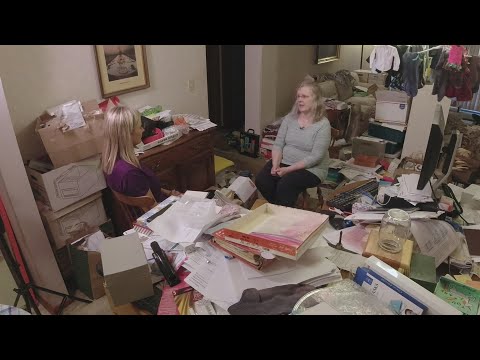
Have you ever walked into someone’s home and felt like you just entered a maze of stuff? Boxes piled high, newspapers everywhere, and, like, hardly any room to move? Yeah, that can be a peek into what hoarding disorder looks like.
It may seem bizarre or even funny at first glance. But really, it’s much deeper than that. There’s a whole world of emotions and mental struggles hiding behind those mountain ranges of clutter.
Most people don’t even realize they have a problem until it starts taking over their lives. It can feel overwhelming, tricky—like trying to find your way out of a dark room without a flashlight.
And the thing is, there are ways to tackle it! So let’s get into the psychological roots and treatment approaches for hoarding disorder. Who knows? This might just help someone you know—or even you!
Understanding Hoarding Disorder: Effective Treatments and Strategies for Recovery
Hoarding Disorder is a tough thing for a lot of folks. It’s not just about having too much stuff lying around. It goes deeper, you know? It can really mess with someone’s life, relationships, and mental well-being.
So, first off, let’s get to the roots of this disorder. People who hoard often struggle with **emotional attachment** to their possessions. They might feel that these items hold special memories or potential value. Imagine someone keeping every birthday card they’ve ever received because each one sparks joy or nostalgia—it’s huge for them. But, over time, this collection grows out of control and becomes overwhelming.
Understanding Hoarding Disorder is key. Here are some main points to consider:
When it comes to treatment, there’s no one-size-fits-all solution. A mix of therapy and practical strategies usually works best.
Cognitive Behavioral Therapy (CBT) is super effective here. This approach helps individuals identify and change the thoughts that fuel their hoarding behaviors. You might picture it like peeling an onion—getting through layers until you reach the core beliefs driving the hoarding.
Another useful method is Exposure Therapy. In this case, someone would gradually face their fears about letting go of items in a safe environment. Small steps can make it easier—like starting with less sentimental objects.
Support groups can also play a big role in recovery. Sharing experiences with others who understand the struggle can be incredibly comforting and motivating. It gives you a sense of community that simply saying “it’ll be okay” just doesn’t cover.
Now let’s talk about practical strategies for recovery:
You know what? This journey isn’t easy—it requires patience and effort from everyone involved. But recovery is absolutely possible. Picture someone slowly reclaiming their space and life bit by bit; that’s worth celebrating! Each small victory adds up over time.
In summary, Hoarding Disorder isn’t just clutter; it’s intertwined with emotions and thoughts that need addressing through various treatments and strategies tailored for individual needs. With understanding and support, healing can start one step at a time!
Exploring the Psychological Causes Behind Hoarding: Understanding the Roots of Compulsive Behavior
Hoarding is one of those things that can feel overwhelming and puzzling, both for the person living it and their loved ones. You know, when you see someone stacking up stuff to the ceiling? It’s not just about being messy or lazy. There’s a lot going on under the surface.
So, let’s talk about some psychological causes behind hoarding. Compulsive hoarding often ties back to emotional struggles. For many, items come to represent memories or feelings. This connection makes it super hard to let things go. Seriously, think of a time you didn’t want to throw away something that reminded you of a special moment—like an old shirt from your high school buddy’s graduation party.
Here are some key points about why hoarding happens:
- Attachment Issues: A person might have developed a strong emotional attachment to objects due to past experiences, like growing up in a chaotic environment where items felt like security.
- Fear of Loss: There might be a deep-seated fear of losing something valuable or meaningful. It’s common for hoarders to feel that if they get rid of stuff, they’re erasing parts of their lives.
- Anxiety Disorders: Many people who hoard also struggle with anxiety or depression. The behavior can then become a way to cope with those feelings, creating a cycle that’s tough to break.
- Perfectionism: Some folks feel pressured to keep everything in order or struggle with indecision over what to keep or toss. It’s like being stuck in an endless loop of “What if I need this later?”
And yeah, there’s often a history involved too—many people with hoarding disorder have faced trauma or significant loss in their lives. Imagine losing someone close and then holding onto every little thing because it feels like holding onto that person.
Dealing with hoarding isn’t easy; it can take time and patience. Therapy can really help uncover those emotional roots driving the behavior. Cognitive Behavioral Therapy (CBT), for example, helps folks challenge those thoughts about what they should keep versus what they can let go.
Support groups are also vital—just knowing others face similar struggles can make all the difference! A shared experience creates understanding, which is huge when dealing with something as isolating as hoarding.
In the end, understanding those psychological roots behind hoarding can guide both treatment and support from friends or family members. Remember: it’s not just «stuff»; it’s often tied deeply into someone’s sense of self and emotional well-being. So if you know someone struggling with this issue—or if you’re dealing with it yourself—it helps recognize that there’s usually so much more beneath the surface than meets the eye.
10 Things to Avoid Saying to a Hoarder: Communicating with Compassion
When you’re interacting with someone who’s dealing with hoarding, it’s key to stick to a compassionate approach. Hoarding disorder isn’t just about the stuff; it’s tied up in emotions, memories, and sometimes trauma. Words can cut deep, so here are some things you should probably avoid saying.
- “Just throw it away!” – This might sound straightforward to you, but for someone who hoards, that stuff isn’t just clutter. It holds significance and memories. For them, letting go can feel like losing a part of themselves.
- “Can’t you see how messy this is?” – Well, they might already feel overwhelmed by their situation. Highlighting the messiness can be shaming. Instead of pointing out the problems, ask how they feel about their space.
- “You’re making a big deal out of nothing.” – This dismissive remark can invalidate their feelings. Hoarding often stems from deeper emotional issues or anxiety. Recognizing that is crucial.
- “Why don’t you just get organized?” – Organization sounds simple on paper but is often an uphill battle for those struggling with hoarding disorder. It typically requires professional assistance and isn’t just a matter of willpower.
- “You need help!” – While they may indeed need support, telling them outright can put them on the defensive. Instead, try suggesting help in a more subtle way, showing that you’re there to support without judgement.
- “I can’t believe you keep all this junk.” – Calling their belongings junk is like calling their feelings invalid. Challenge yourself to understand why items are meaningful instead of labeling them negatively.
- “Why don’t you donate some things?” – Although donating sounds like a good idea to us, it could trigger anxiety for someone who hoards. The thought of giving away items can feel like they’re losing valuable possessions.
- “What if there’s a fire?” – Using fear tactics to push someone might backfire and create resistance rather than motivation to change. Try focusing on positive outcomes instead!
- “You’re being ridiculous.” – This type of comment undermines their experiences and can make them retreat further into their habits. A kinder approach would be acknowledging their struggle without criticism.
- «You’re not alone; lots of people have this problem.» – While it’s true that many face similar challenges, this should never come off as minimizing someone’s personal struggles. Everyone’s journey is different.
Being sensitive about what we say is super important when talking with someone who has hoarding issues. If you want to support them effectively, making space for open conversations without judgment makes all the difference.
Everyone’s fight with hoarding disorder is unique—so pay attention to how your words affect your friend or loved one! Compassionate communication can create safe spaces where healing starts taking root instead of reinforcing barriers or shame.
Hoarding disorder is one of those things that can really make you go, “Wow, how did it get to this point?” I mean, picture someone drowning in boxes of stuff they can’t seem to let go of. It’s not just about clutter; it’s a deep emotional struggle that often comes from feelings of loss or anxiety.
You ever notice how some people hold onto items with an almost irrational attachment? Like that old shirt from high school that’s three sizes too small? There’s a reason for that. For many, the items represent something much bigger—a connection to a past moment or perhaps emotional safety. It’s not just junk; it’s a lifeline, even if it doesn’t look like one.
The psychological roots can run deep, often tied to traumatic experiences or significant losses that shape how someone relates to their belongings. Imagine losing someone important and then feeling like collecting things gives you some form of control over your life—sort of like trying to fill a void that feels impossible to fill.
Treatment approaches can be really varied, and honestly, what works for one person might not work for another. Cognitive Behavioral Therapy (CBT) is pretty common and focuses on changing unhelpful thoughts and behaviors. You know, like shifting the belief that you need every single item in your life. And there are support groups too—places where you can share experiences with others who get it. That sense of community can be so powerful!
I once had a friend who struggled with this disorder for years. When we finally talked about it, I learned she found comfort in the stories behind her belongings rather than being overwhelmed by them. We started going through her things together; she would share memories attached to each item while I helped her see which ones were worth keeping and which could be let go of without losing part of herself.
It was tough; each piece had its own weight and meaning—but ultimately liberating too! So yeah, dealing with hoarding disorder is complicated but absolutely doable with the right help and understanding. People just need patience along the way because it’s rarely just about the stuff—it touches deeper parts of who we are as human beings.