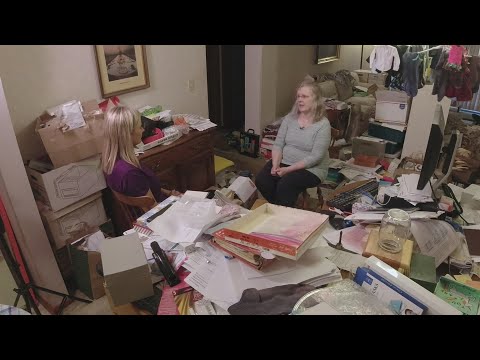
You know those shows where people collect, well, everything? It’s like a wild scavenger hunt that sometimes gets way out of hand. But seriously, hoarding isn’t just about clutter.
It’s tied to deeper emotional struggles. There’s a lot more to it than just “I can’t throw this away.”
Imagine feeling so overwhelmed by stuff that you can barely move around your own home. That’s a reality for many folks who hoard. It can be tough to understand, right?
But here’s the thing: supporting someone who hoards can make a real difference in their lives. And it doesn’t have to be complicated.
Let’s chat about how we can approach this with kindness and compassion.
Discovering Government Resources and Support for Hoarding Disorder: A Guide to Help and Recovery
Hoarding disorder can feel like a mountain to climb. When you or someone you care about is dealing with this, finding the right resources can make a huge difference. The good news? There are various government-supported programs and services available that can help.
First off, let’s talk about community mental health centers. These centers probably exist in your area and offer services tailored to people struggling with mental health issues, including hoarding. They often provide therapy, support groups, and even case management to help individuals navigate their challenges.
You might also find that The Substance Abuse and Mental Health Services Administration (SAMHSA) is a great starting point. Their national helpline is free and confidential. Seriously, it’s available 24/7! They can connect you with local treatment resources. Just call 1-800-662-HELP (4357) when you need guidance or support.
Another resource worth mentioning is local housing authorities. They often have programs aimed at helping people maintain safe living conditions. If someone is struggling with hoarding, they may qualify for assistance in maintaining their home or getting access to clean-up services.
Now, let’s not forget about National Alliance on Mental Illness (NAMI). They provide education and support groups for families affected by mental health conditions like hoarding disorder. It’s a space where you can share experiences and learn from others who understand what you’re going through. Sometimes just connecting with folks on the same journey really lightens the load.
It’s important to realize that therapy is a core part of recovery from hoarding disorder. Cognitive Behavioral Therapy (CBT) has shown good results for many individuals. This approach helps change patterns of thinking related to possessions and promotes healthier habits around them.
In some situations, individuals may also benefit from medication if there are co-occurring conditions like anxiety or depression. While this isn’t always the case for everyone dealing with hoarding disorder, it’s something to discuss with healthcare providers.
You know how overwhelming it can be when you’re staring at piles of stuff? Well, reaching out for help isn’t just okay; it’s a strong move towards recovery! And who knows? Sometimes just having someone listen can create a world of difference.
If you’re looking for online resources, consider visiting websites dedicated to mental health support like The Anxiety and Depression Association of America (ADAA), which has helpful information specifically on hoarding disorder.
Lastly, remember: recovery isn’t linear and everyone moves at their own pace. It’s totally fine if progress feels slow sometimes! Just keep reaching out for support when needed; each step forward counts, no matter how small it seems.
Finding help can feel daunting at first—seriously—but know that there are people out there ready to lend a hand! You don’t have to face this alone.
Effective Strategies for Supporting a Hoarder Family Member: A Guide to Compassionate Care
Supporting a family member who hoards can feel super overwhelming, but it’s all about understanding and compassion. You know, hoarding isn’t just about clutter; it can really be tied to deeper emotional issues. That’s why approaching the situation with care is so important.
First off, **it’s key to approach the person gently**. This might mean avoiding direct confrontations about their stuff right away. Instead, start conversations focused on feelings. Ask them how they’re doing or talk about your own feelings related to the clutter. You want to create a safe space where they feel comfortable opening up.
Another thing is **educate yourself** on hoarding disorder. Understanding it helps you realize that this isn’t just laziness or being messy. Hoarders often face anxiety, depression, or trauma that leads them to hold onto items as a way of coping. When you get this, your empathy will increase—big time.
When you do start talking about the items in their space, try using “I” statements instead of “you” statements. Like, say “I feel worried when I see so much clutter” rather than “You need to clean up.” It feels less like an attack and more like sharing your feelings.
Also, **set small goals together**. Instead of diving into an entire room or area at once—which could totally freak them out—focus on one small section at a time. Celebrate these tiny victories! Maybe set a timer for 15 minutes and see how much you both can accomplish in that time.
It’s also really important to be patient and avoid judgment. If they struggle letting go of items or make excuses for keeping things, remember that it’s not easy for them—you know? So listen without interrupting and try validating their feelings instead of pointing out the mess.
Involve professionals if necessary! You might want to bring in a therapist who specializes in hoarding disorder or even a professional organizer who understands the psychological aspects involved here. This way, there’s support beyond just family conversations.
Lastly—and this one’s big—be sure take care of yourself too during this whole process. Supporting someone through this is emotionally draining. Whether it’s talking with friends about how you feel or seeking guidance from support groups for families affected by hoarding, don’t forget your own mental health.
So yeah, supporting someone who hoards isn’t all rainbows and butterflies—it can get heavy sometimes—but it also has its rewarding moments when you see progress and healing happening together. Just keep that compassion flowing and remember: patience is key!
Compassionate Approaches to Support a Hoarder Reluctant to Seek Help
Supporting someone who hoards can be really tricky, especially when they’re not keen on getting help. You know how it is: they might feel ashamed or just plain overwhelmed. But approaching the situation with compassion can make a world of difference.
First off, it’s key to understand that hoarding isn’t just about the stuff—they often hold deep emotional ties to those items. To them, the objects might represent memories or security. So, when you’re talking to them, it’s important to show empathy. Acknowledge how they feel instead of making them feel judged.
Here are some ways you can approach this sensitive topic:
- Start Slow: Don’t rush into talking about their hoarding habits right away. Just spend time with them and build trust.
- Listen Actively: When they share their feelings about their possessions or life in general, listen without interrupting. It’s all about them feeling heard.
- Share Concerns Gently: If you notice that their environment is affecting their health or safety, bring it up gently. Use “I” statements like “I’ve noticed it looks crowded in here” instead of “You need to clean up.”
- Offer Help Subtly: Suggest doing activities together that involve organization—not labeling it as cleaning or decluttering! Maybe working on a small project together could be less intimidating.
- Encourage Professional Support: If they’re open to it, mention how therapy could help them work through emotions tied to their belongings. Frame it positively—like a way for them to regain control.
Compassion and patience are huge here. I remember hearing about a friend of a hoarder who sat down with her loved one for coffee each week at a favorite local cafe instead of at home. This simple routine gave the hoarder a break from her stuff while allowing her friend to express genuine concern without pushing too hard.
Another thing? Avoid ultimatums! They can make your friend feel trapped and defensive. Instead, focus on creating an inviting atmosphere where the conversation flows naturally.
At the end of the day, your goal is to support—not pressure—with love and understanding guiding your words and actions. It might take time, but showing unwavering support may just encourage the person you care for to consider change when they’re ready—and that’s what really counts!
You know, when it comes to hoarding, it’s not just about stuff piling up in a corner. It’s way deeper than that. I remember this friend of mine, let’s call her Lisa. She had trouble letting go of things—old magazines, broken toys, you name it. Each time we visited her house, it felt like walking into a labyrinth of memories and objects, where every item seemed to hold a story. It broke my heart seeing how overwhelmed she was.
Supporting someone who hoards can feel really tricky. On one hand, you want to help them declutter, right? But on the other hand, diving straight into their world can feel like stepping on a landmine—you never know what might trigger an emotional response. For many people with hoarding issues, these belongings are tied to their sense of self or past experiences. You could say that every item is like a tiny anchor to memories they aren’t ready to let go of.
The mental health approach here is crucial. First off, empathy is key. Seriously! Listening without judgment makes a huge difference. If you can create that safe space where they feel comfortable talking about their attachments to these items? That’s when real conversations begin. A professional—like a therapist trained in cognitive behavioral therapy—might help too! They can guide the person in recognizing those feelings and learning new ways to process them.
But what really helps is taking baby steps together! Maybe start with one small area or category of items even if it seems overwhelming at first. The goal isn’t just cleaning up; it’s about supporting your friend through their struggle and understanding why those items matter so much to them.
At the end of the day, remember: it’s not just about getting rid of stuff; it’s about connection and compassion when things get tough. Just being there for someone like Lisa—it really matters more than we often think!