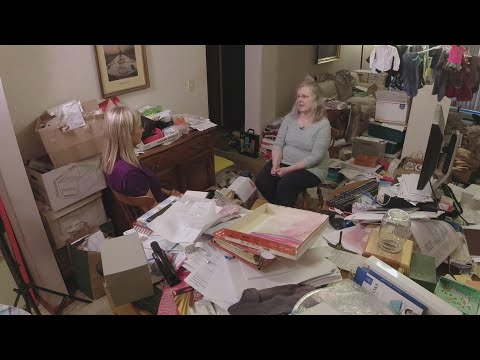
You know how sometimes you see those shows about people with, like, a ton of stuff piled everywhere? It looks wild, right? But there’s so much more to it than just “messy.”
Hoarding isn’t just about clutter; it’s a serious psychological disorder. Seriously, it can mess with people’s lives in a big way. It affects how they live, interact with others, and feel about themselves.
Imagine trying to navigate your home but every corner is stuffed with things you can’t seem to let go of… That’s a daily reality for many.
In this chat, we’ll dig into what hoarding is all about and how it really impacts lives. Let’s get into it!
Understanding Hoarding: The Psychological Struggles Behind the Inability to Let Go
Hoarding can be really tough to wrap your head around. Like, you see a person surrounded by piles of stuff and think, “What’s the deal?” But there’s a whole lot more beneath the surface. It’s not just about having too much junk lying around; it’s a complex psychological disorder that can seriously mess with someone’s life.
So, basically, hoarding involves an overwhelming desire to save things and an intense fear of letting go. Imagine holding onto an old pizza box because it reminds you of a fun night out. You might think it’s just nostalgia, but this can spiral into a mountain of clutter over time. And what do you know? That little moment leads to serious chaos in their living space.
A common driving force behind hoarding is anxiety. For some folks, parting with items triggers feelings of panic or distress. Maybe it’s rooted in childhood experiences or traumatic events where they felt powerless. They might cling to objects as a way to cope with those old feelings. Can you imagine how emotionally exhausting that must be?
- Emotional Attachment: A person might keep something useless because it represents a memory—a ticket stub from a concert or that sweater from their grandma.
- Perfectionism: Some hoarders worry they’ll make the wrong choice if they throw something away, leading to indecision and more clutter.
- Cognitive Deficits: People with hoarding disorder often struggle with organization and categorizing things, which makes sorting through their belongings feel impossible.
You know what’s tough? Often, friends and family don’t get it. They see the mess and want to jump in and clean up, but that just makes things worse. It feels like a personal attack on their identity when someone tries to pry away their stuff—even if they don’t want those items anymore! It’s like ripping apart a part of themselves.
The impact on daily life is pretty significant too. Relationships can suffer because loved ones might feel embarrassed or worried about visiting. Imagine trying to host Thanksgiving dinner but being too ashamed for people to see your place! It creates this ongoing cycle of shame and isolation.
Treatment can be tricky since individuals often need help recognizing that their behavior isn’t normal or healthy. Therapy is usually focused on addressing underlying issues—like anxiety—and teaching organizational skills.Cognitive-behavioral therapy (CBT), for example, helps them change thought patterns related to saving items.
Sometimes medication may also come into play if there are co-occurring conditions like depression or anxiety disorders involved; though that’s not the primary focus for everyone dealing with hoarding.
You might wonder if there’s hope for change? Absolutely! With support from mental health professionals, friends, and family who understand what’s going on behind the scenes, people can learn healthier ways of coping—and start making space for new experiences.
So next time you hear about hoarding—or see it in real life—try not to judge right away. There’s always more going on under the surface than meets the eye!
Unraveling the Root Causes of Hoarding: Understanding the Psychology Behind Excessive Clutter
Hoarding is a tricky topic, you know? It’s not just about having too much stuff lying around. To really get what’s going on, we gotta dig into the psychology behind it. So, let’s break it down.
First off, **hoarding disorder** is classified as a mental health condition. People who hoard tend to collect items that others might see as junk or unnecessary. This behavior can lead to serious clutter and chaos in their homes and lives.
Now, you might be wondering **what causes this?** Well, there are several factors involved:
- Emotional Attachment: Many folks who hoard have deep emotional connections to their belongings. They might see value where others don’t—like that old newspaper from 1982. It holds memories for them!
- Fear of Loss: Some people worry that getting rid of things means losing part of themselves or forgetting important memories.
- Perfectionism: For some, it’s about wanting everything just right. They may feel overwhelmed by the thought of sorting through items and making decisions.
- Cognitive Distortions: Individuals may struggle with unrealistic beliefs—like thinking they’ll need something someday even if they haven’t touched it in years.
It’s also important to highlight how hoarding can affect lives. You could imagine someone whose home is cluttered with items—they might face health risks due to poor living conditions or struggle with social isolation because they’re embarrassed about their space.
Take Anna (not her real name), for instance. She started collecting knickknacks and old newspapers when she was a kid after her parents divorced. Over the years, this innocent habit turned into full-blown hoarding. Her home became a maze of boxes and stacks of papers. Friends stopped visiting because they felt uncomfortable navigating the clutter—or worse, they didn’t understand why she couldn’t just throw things away.
Another layer here is **mental health comorbidities**. Many people dealing with hoarding disorder also face conditions like anxiety or depression. It’s like stacking one problem on top of another; those feelings can intensify the urge to hang onto items even more.
So yeah, it’s not just about cleaning up—it’s about understanding what drives people to hold on so tightly to their possessions. Therapy often plays a key role in addressing these underlying issues and helping individuals learn new coping strategies.
But here’s the thing: changing these habits takes time and effort; it isn’t something that happens overnight. Recovery is possible though! With support and understanding, many individuals find ways to reclaim not just their spaces but also parts of their lives that were lost under all that clutter.
In short, unpacking the reasons behind hoarding reveals a lot about vulnerability—about how we cling to things when life feels out of control or overwhelming. By approaching this issue with empathy rather than judgment, we can start making strides toward healing and clarity for those struggling with hoarding disorder.
Understanding the 5 Stages of Hoarding: From Collecting to Overwhelming Clutter
Hoarding can be one of those things that, at first glance, seems kind of harmless. You know, like collecting vintage toys or old books. But it can actually spiral into a pretty serious issue. If you’ve ever seen a home buried under piles of stuff or heard stories about people living in chaos, you might be curious about how it all begins and where it leads. So, let’s break down the five stages of hoarding, from the innocent start to that overwhelming clutter.
Stage 1: The Collector
This is where it starts for many people. You might find yourself really enjoying collecting things. It could be anything – stamps, shoes, or even comic books. At this point, you’re organized, and your collection brings joy. You keep them neat and purposeful. Most people can stop when they want to because it hasn’t taken over their lives yet.
Stage 2: The Accumulator
As time goes on, something changes. Maybe you inherited items from family or felt the need to buy items for memories sake. It’s still relatively controlled but getting a bit crowded now. Think about it—maybe your collection has its own space at home but spills into other areas too? You might start hiding things away or avoiding friends just to keep your accumulation safe.
Stage 3: The Cluttered Home
This stage really hits hard! Things begin piling up in a way that affects daily activities. Rooms may become cluttered with items piled high enough to block walkways or essential living spaces—like kitchens and bathrooms—become messy and unusable! Friends notice and may stop visiting because they feel uncomfortable in the environment.
Stage 4: The Distressed Environment
At this point, hoarding becomes much more serious; safety and health risks can emerge. Think moldy items or a fire hazard due to stacked newspapers—stuff that could cause harm! You might feel trapped by all the clutter but find it hard to let go of anything due to strong emotional attachments or anxiety around discarding.
Stage 5: Overwhelmed Chaos
And here we are at the peak—the situation no longer resembles a home! Services like health departments may step in if there are safety concerns. People stuck here often feel deep emotional distress and isolation because their homes reflect an overwhelming chaos that’s hard to escape from physically and mentally.
You see? Hoarding isn’t just about having a lot of stuff; it’s about how those collections evolve and take control over life itself, creating barriers not only physically but emotionally too. It’s crucial for anyone in these stages—or who knows someone who is—to understand it’s possible to seek help without judgment or shame!
Hoarding can really turn life upside down, can’t it? Picture this: someone you know, maybe a relative or a friend, living in a house crammed with stuff. You walk in and it’s like stepping into a maze of old newspapers, stuffed animals, and who-knows-what. At first glance, it’s easy to think they’re just messy or a bit of a pack rat. But there’s so much more to it.
When we’re talking about hoarding as a psychological disorder, we’re looking at something deeper. It’s not just about having too many things; it often stems from emotional issues. Maybe they’ve faced trauma, loss, or just feel overwhelmed by life. That constant need to save everything? It can be their way of coping with feelings they don’t know how to handle.
I’ve seen this play out in real life—a friend of mine struggled with hoarding after losing her job. She started saving every piece of paper that came her way—like the receipts and coupons for things she might never buy but clung to them as if they were lifelines. Over time, her home became less of a refuge and more like an obstacle course. Friends stopped visiting because it was hard to even move around; she felt embarrassed and isolated.
The effects? Well, they’re significant. Relationships can suffer because friends and family may feel helpless or frustrated seeing their loved one struggle. And let’s not forget the personal toll—people who hoard often deal with anxiety and depression on top of everything else.
And yet there is hope! There are therapy options that focus on helping individuals understand their attachment to objects and develop healthier coping mechanisms. It takes time and patience—both from the person dealing with hoarding and their loved ones—but recovery is totally possible.
So yeah, hoarding isn’t just cluttering up a space; it’s about emotions woven into those belongings. Understanding that can help spark compassion instead of judgment when you encounter someone navigating through this challenging disorder.