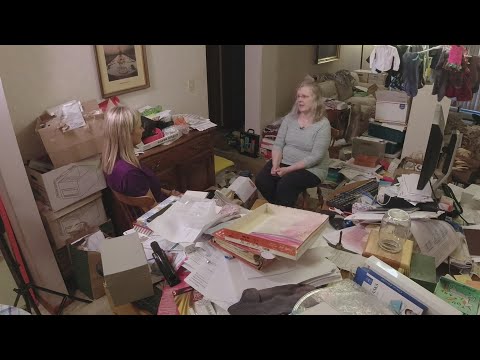
You know, hoarding is one of those things that can be super hard to wrap your head around. Like, why do some folks hold onto stuff that seems totally useless? It’s wild when you think about it.
I remember watching a show about hoarders once. There was this woman who filled her entire house with old newspapers. I found myself glued to the screen, half horrified and half fascinated. What drives someone to live like that?
Hoarding isn’t just about clutter; it’s a real struggle for many people. It’s tied up with emotions and memories, and sometimes it feels like a heavy weight to carry.
So, let’s unpack this a little. What’s really going on in the minds of those who hoard? And how can they find their way to a cleaner space—both physically and mentally?
Understanding Psychological Treatments for Hoarding: Effective Strategies for Recovery
Hoarding can feel like a heavy burden. You might know someone—or maybe you’ve experienced it yourself—who has trouble letting go of things. It’s more than just being messy; it’s an ongoing struggle that can affect your daily life and relationships.
Psychological treatments for hoarding focus on helping individuals understand why they hold onto items. Often, there are emotional attachments or fears about needing things in the future. You may find yourself holding on to stuff because it feels safe, or maybe it reminds you of good times.
One effective strategy is Cognitive Behavioral Therapy (CBT). This approach helps to identify and change harmful thought patterns related to hoarding. For example, imagine you’re being asked to throw away an old magazine. Your thoughts could be, “What if I need this information later?” CBT works to challenge that thought: do you really need that magazine? Maybe not!
- Motivational Interviewing: This technique helps people find their own reasons for wanting change. It’s like having a heart-to-heart where the therapist guides you through your feelings about your stuff.
- Skills Training: This teaches practical ways to organize and make decisions about belongings. You could learn how to categorize items based on their importance or necessity.
- Exposure Therapy: In some cases, facing the anxiety of getting rid of items gradually can be beneficial. Like, instead of tossing a pile of clothes all at once, maybe start with one shirt!
Support groups are also super helpful! Connecting with others who get what you’re going through creates a sense of belonging and understanding. It’s comforting to share your experiences in a judgment-free space.
An important part of recovery is focusing on motivation and goals. It’s okay to set small objectives instead of aiming for everything at once. Maybe start by decluttering one room or even just one corner! Each small victory counts and builds momentum.
The journey isn’t always smooth sailing; there may be setbacks along the way. But acknowledging those bumps is essential too! Recovery is often about progress over perfection—taking it day by day matters more than hitting some ideal standard.
If you’ve been touched by hoarding behaviors, remember: seeking help isn’t a sign of weakness; it’s a brave step toward reclaiming your space and peace! With support and understanding, recovery is absolutely achievable.
Understanding the Psychology Behind Hoarding Behavior: Causes and Insights
Hoarding behavior can be pretty puzzling, right? You might see someone hanging onto stuff that seems totally useless. But there’s a lot of psychology behind it. So, let’s break down what causes it and some insights into treating it.
Hoarding isn’t just about collecting things. It often stems from underlying psychological issues, like anxiety or past trauma. People with hoarding disorder may feel intense distress at the thought of getting rid of items. It becomes less about the items themselves and more about the feelings attached to them.
When you think about it, each item can hold memories or represent a time in someone’s life. Like, let’s say someone might keep old newspapers because they remind them of happier days with family. It’s not as simple as “just get rid of it.”
Another factor is perfectionism. Some individuals believe that they might need an item later on, so they keep everything “just in case.” This often leads to clutter that can be overwhelming both physically and emotionally.
Now, let’s look at some key points that contribute to hoarding:
- Anxiety: Many hoarders experience anxiety about losing possessions.
- Emotional attachment: Items can represent significant events or people.
- Perfectionism: The fear of making the wrong decision leads to keeping too much.
- Poor organizational skills: Sometimes it’s hard for individuals to figure out what to keep or toss.
- Treatment history: Prior traumatic events might drive the need to hold onto things.
Treatment for hoarding isn’t as straightforward as you’d expect. Cognitive-behavioral therapy (CBT) is one approach that has shown promise. This therapy focuses on changing thought patterns and behaviors related to hoarding.
For example, a therapist might encourage someone to identify their thoughts around certain items and challenge those beliefs. It’s all about helping them see things differently—like realizing that keeping three broken lamps isn’t going to bring back good times.
Group therapy can also be beneficial. Sharing experiences with others who understand this struggle creates a sense of community and makes people feel less alone in their challenges.
In summary, understanding hoarding behavior involves looking at emotional ties, psychological factors, and treatment approaches that address both feelings and actions surrounding possessions. It’s not just clutter; it’s often a complex battle with emotional weight backing it all up—so compassion is key here for anyone trying to help themselves or loved ones dealing with this issue.
Effective Strategies to Support Loved Ones Struggling with Hoarding Behavior
Supporting someone who’s grappling with hoarding behavior can feel a bit overwhelming, you know? It’s a complex issue tied to emotions and deep-seated beliefs. The road to helping them take steps toward change involves a delicate mix of compassion and understanding. So, let’s break it down.
First off, educate yourself. You really want to understand what hoarding is about. It’s more than just clutter; it often ties back to anxiety, trauma, or depression. Think about it this way—if you had a friend who was scared of dogs, you’d want to read up on that fear before suggesting they visit a dog park, right? The same principle applies here.
Listen without judgment. This is crucial. When your loved one opens up about their struggles, they need to feel safe doing so. Don’t rush to offer solutions or criticize their choices. Imagine this: you’re sharing something personal and someone immediately jumps in with “Why don’t you just get rid of all that stuff?” Ouch! That’s not helpful at all.
Be patient. Changing hoarding behavior isn’t a quick fix; it’s more like a long marathon than a sprint. Set realistic expectations for progress. Celebrate the small wins! Maybe they made a decision about one box—give them credit for that effort!
Help them start small. Encourage your loved one to tackle one area at a time instead of the entire house. For instance, if they have a room filled with old magazines, suggest starting with just one shelf. It won’t be as daunting that way.
Create an empathetic environment. Your presence matters! Offer support by helping them sort through items and discuss their feelings attached to each one. It’s about validating their emotions and letting them know it’s okay to struggle.
Encourage professional help. This can be tough but really essential sometimes. A therapist who specializes in hoarding behaviors can provide targeted strategies that friends and family might not be equipped for. Discuss it gently—more like offering support rather than pushing an agenda.
- Avoid confrontational language.
- Acknowledge the emotional connections tied to objects—they might represent memories or past experiences.
- Be consistent. Regular check-ins remind your loved one they’re not alone in this journey.
Sometimes it’s tough because your loved ones might resist help even when they need it most—it can feel frustrating! Just remember: showing love and care counts for so much in times like these.
In wrapping up this chat on supporting someone with hoarding tendencies, just keep practicing kindness and patience! Encourage gentle conversations while staying informed about the condition itself—it’ll make the journey smoother for both of you!
Hoarding can be one of those things that’s hard to wrap your head around. I mean, when you see someone with piles of stuff everywhere, it’s easy to think, “Why don’t they just throw that junk away?” But there’s so much more beneath the surface.
A friend of mine once talked about their neighbor. He had a yard filled with old appliances, newspapers, and boxes that looked like they hadn’t been touched in years. At first glance, it seemed chaotic. But as my friend got to know him a bit better, they realized he was holding onto those items out of fear and anxiety. They were comforting in a way—like old friends he couldn’t bear to part with.
Hoarding is often rooted in deeper issues like trauma or loss. Like for some people, each item holds memories or represents a sense of security. They might feel that getting rid of something means letting go of the past or losing control over their lives. That’s heavy stuff! It’s kind of heartbreaking because what seems like clutter to one person might be a lifeline for someone else.
When it comes to treatment, there isn’t a one-size-fits-all approach either. Therapy often focuses on understanding the emotional connections people have with their belongings. Cognitive-behavioral therapy (CBT) can be really helpful because it teaches individuals how to change their thought patterns and behaviors surrounding hoarding. Therapists work with clients on making small changes over time—like tackling one area instead of feeling overwhelmed by the whole mess.
Support groups can also play a key role in healing. Just sharing stories and experiences with others who understand can make such a difference! It creates this sense of community where people don’t feel alone in their struggles.
So yeah, hoarding is complex and layered, just like emotions themselves. It’s important to look beyond the piles and see the person behind them—their feelings, fears, and hopes for change. Healing isn’t an easy journey but taking those first steps can lead to brighter days ahead.