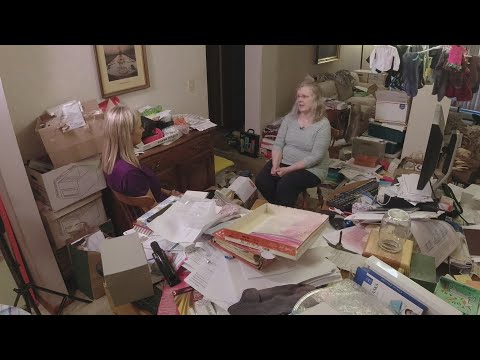
You know, it’s wild how some folks just can’t let go of stuff—even paper.
Like, I was chatting with a friend recently and she mentioned her cousin keeps every single piece of mail he ever gets. Seriously, we’re talking stacks of bills and junk flyers piling up in his apartment.
So, what’s behind that? Why do some people hoard paper while others toss it without a second thought?
It’s more than just being messy; there are deep emotional roots at play here. Let’s take a closer look at why this happens and what it might mean for those who struggle with it.
The Psychological Roots of Hoarding: Understanding the Mental Triggers and Causes
Hoarding can seem puzzling, right? You see piles of stuff everywhere, and it makes you wonder what’s going on in the person’s mind. Well, the psychological roots of hoarding are complex and often tied to deep emotions and experiences. Let’s break it down a bit.
First off, hoarding is more than just being messy. It often stems from issues like severe anxiety, depression, or trauma. Think about it: when someone feels overwhelmed by life, they may try to find comfort in their belongings. Holding on to items can become a way to cope with those feelings of sadness or fear.
Attachment issues also play a big role. Some people have a hard time letting go of things because they feel emotionally attached to objects that remind them of better times or significant moments in their lives. Imagine a toy from your childhood— it might hold memories that bring joy but also sadness if you think about how things have changed.
Another thing is fear of loss. For many hoarders, there’s a genuine concern that if they get rid of something, they’ll need it later or won’t be able to replace it. This is why you might see someone holding on to years’ worth of newspapers or old receipts—just in case! It creates this cycle where the fear keeps them from letting go.
Then there’s the perfectionism factor. Some individuals feel that everything must have a specific place, and if they can’t organize it properly, they’d rather keep it all than deal with the chaos of sorting through everything. It’s like being stuck between wanting order but feeling too overwhelmed to create it.
For others, low self-esteem can be an underlying issue as well. If someone doesn’t feel valued or important in other areas of life, collecting and keeping items can give them a sense of control or importance—like their belongings define who they are.
And don’t forget about past traumatic experiences. People who’ve faced significant losses—like losing loved ones or homes due to natural disasters—might cling onto possessions as a way to cope with grief and fear. Those items become talismans against further loss.
Interestingly enough, research suggests some hoarding behaviors may even be connected to brain function! Studies show that certain areas responsible for decision-making and emotional regulation may not work as effectively in people who struggle with hoarding. Crazy how our brains influence our behaviors!
So yeah, understanding hoarding isn’t just about clutter; it’s about delving into what drives a person to hold onto so much stuff. It’s like peeling back layers of an onion; each layer revealing more about personal history and emotional state behind those stacks of papers or cardboard boxes filling up space.
In short: each story is unique; every pile has its meaning rooted deeply in emotion and experience. The journey towards understanding—and helping—isn’t always straightforward but starts with empathy and insight into those psychological triggers that cause people to hold onto what others might see as mere junk!
Exploring the Spiritual Roots of Hoarding: Understanding the Deeper Emotional Connections
Hoarding can seem like a confusing behavior, but digging into its emotional and spiritual roots can really shed light on what’s going on inside. For many, it’s not just about holding on to stuff; it’s about the feelings tied to those items. You know, like how some people just can’t let go of old photographs or even receipts? It goes deeper than we think.
First off, hoarding often stems from a deep-seated fear of loss. People who hoard might have experienced significant losses in their lives—like losing loved ones or going through tough situations. The items they keep can represent those lost connections. It’s almost like they hold onto these things in hopes that they won’t lose anything else. You follow me?
Another angle is the value placed on possessions. For some, things aren’t just objects; they’re treasures filled with memories or potential. Imagine someone who holds onto every birthday card they’ve ever received. Each card might symbolize a moment of love and connection, making it really hard to just toss them out.
Then there’s the idea of identity and self-worth. Many individuals tie their sense of self to their belongings. If you see yourself as a collector or as someone who has valuable things, parting with those items feels like losing part of yourself. A bit sad if you think about it!
And let’s not forget about the role of spiritual beliefs and practices. Some folks may feel spiritually connected to the materials they hoard—like a belief that an object carries energy or memories that need preserving. Maybe there’s an old couch passed down generation after generation that feels sacred to them.
Also important is how society views our relationship with possessions. The pressure to conform to certain standards can lead people toward hoarding as a way to deal with feelings of inadequacy or failure when measuring up against those expectations.
In short, understanding hoarding isn’t one-size-fits-all; it involves looking at layers of psychological and emotional connections. Just like peeling an onion, you gotta take your time and consider each layer.
So if you’re grappling with this kind of behavior or know someone who is—it’s crucial to approach it with compassion and understanding rather than judgment. After all, at its heart, hoarding often reflects struggles that go well beyond physical items—it taps into our core beliefs about ourselves and our relationships with others.
Understanding the Connection: Personality Disorders Associated with Hoarding Behavior
Hoarding behavior can be way more complex than it appears on the surface. It’s not just about accumulating stuff. There’s often a deeper, tangled connection with certain **personality disorders**. Let’s take a closer look at that.
First off, **what is hoarding?** It involves collecting items and having a hard time letting go of them, even if they’re not really useful. This can lead to severe clutter in living spaces and create some major emotional distress.
So, here comes the tricky part—hoarding is often associated with certain personality disorders like **Obsessive-Compulsive Personality Disorder (OCPD)** and **avoidant personality disorder**. With OCPD, people tend to be perfectionists and may hold onto items because they believe everything has a purpose or should be kept in case it’s needed one day. When every item feels significant, decluttering seems impossible.
Then there’s avoidant personality disorder. For folks dealing with this, there might be extreme anxiety about social situations or feeling inadequate. They might hoard to create a safe space around them or cling to items that provide comfort from an otherwise overwhelming world.
Another player in the hoarding game is **depressive disorders**. When someone feels down for an extended period, organizing and cleaning may seem like insurmountable tasks. The clutter can build up as a result of low motivation or energy.
Interestingly enough, childhood experiences can also play a role here. Growing up in an environment where you had to keep things hidden or faced loss can lead to hoarding tendencies later in life. Imagine losing something precious and then growing up thinking you need to hold onto everything just in case you face loss again!
Now let’s talk about **interventions** for these connections between hoarding and personality disorders. Typically, therapy focuses on helping individuals understand their emotional attachments to items while also working through the underlying causes of their behavior.
Cognitive Behavioral Therapy (CBT) is often used here. It helps people challenge those thoughts that tell them they need everything around—those very thoughts that keep them stuck in the cycle of hoarding.
So yeah, understanding hoarding behavior involves looking at these personality connections and how they all intertwine with emotions and past experiences. Recognizing this can pave the way toward better treatment options for those struggling with it.
In short: hoarding isn’t just about having too much stuff; it comes from deep-rooted feelings related to various personality traits and mental health conditions. By addressing these connections head-on, progress becomes more achievable for everyone involved!
So, hoarding paper. It seems pretty harmless at first glance, right? Just old magazines, receipts, and some random printouts tucked away in the corner of your room. But dig a little deeper, and it’s like peeling an onion—more layers than you’d expect.
I remember this one time when my friend Mike came over. His apartment was stuffed with stacks of papers everywhere. I mean, it looked like some kind of weird library gone wrong! At first, I thought he was just disorganized. But then he opened up about how each piece held memories for him—those concert tickets from last summer’s festival, receipts from dinner dates that felt special. It hit me how much emotion can be tied to paper.
The thing is, hoarding isn’t just about clutter; it’s rooted in some serious psychological stuff. Often, people hold onto these items because they serve as a way to cope with anxiety or loss. It’s like they’re trying to safeguard a piece of their past or control something when everything else feels overwhelming. Imagine feeling so anxious about your future that you cling onto anything that reminds you of good times—the memories become safety nets.
For some folks, there might even be a fear of making decisions. Like if you toss that old flyer from a company event in 2005, what if you regret it later? That pressure can make holding onto everything feel safer than letting go.
As easy as it is to chuckle at the idea of keeping every scrap of paper around (seriously, who needs 18 takeout menus?), it’s way more profound than just being a packrat. When someone hoards paper like this—it’s often a silent battle against feelings of inadequacy or loneliness.
And look—getting help isn’t about judgment but rather understanding what lies underneath those piles of paper. If you or someone you know finds themselves stuck in that cycle, recognizing the emotional roots can be the first step toward finding relief and clarity amidst all that chaos.
So yeah, next time you see someone surrounded by heaps of papers or find yourself struggling with those stacks at home, take a moment to think beyond the mess. Everyone has their reasons for holding on tight—it might just be their way to navigate this wild world we live in!