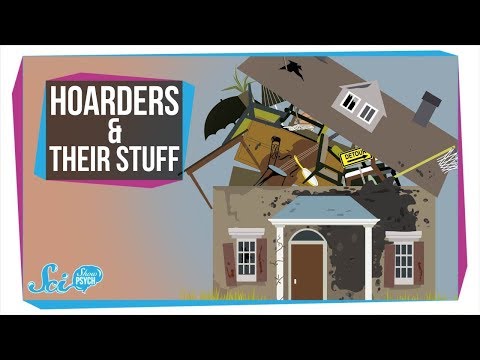
So, let’s talk about hoarding. Yep, you heard me right. It’s one of those things that might seem kinda quirky at first, but it can get super messy—literally and emotionally.
Imagine a room stuffed with stuff you can’t even see the floor anymore. It’s overwhelming, right? But what if I told you there’s more to it than just needing to clean up?
People who hoard often feel trapped in their own homes. And trust me, it seriously messes with their mental health. You know? It’s like that heavy weight on your chest that just won’t budge.
In this little chat, we’re gonna dive into why some folks end up holding onto things they don’t even need—and how it impacts their well-being. Grab a drink and settle in; this is gonna be eye-opening.
The Impact of Hoarding on Mental Health: Understanding the Connection
Hoarding can be tough to understand. It’s not just about having a lot of stuff lying around; it goes much deeper than that. When we talk about **hoarding behavior**, we’re really looking at how it affects your mental health and well-being.
First off, hoarding often connects with other mental health issues. Many people who struggle with hoarding also deal with anxiety, depression, or obsessive-compulsive tendencies. Imagine feeling so overwhelmed by emotions that keeping things around feels like a safety blanket. That’s where the behavior starts.
It’s heartbreaking sometimes. Picture someone who has stacks of newspapers all over their living room and can’t bring themselves to throw even one away. Each item feels important, like tossing it could mean letting go of a memory or a piece of themselves. It’s an emotional tug-of-war, you know?
Here are some ways hoarding can affect mental health:
- Isolation: People who hoard may avoid inviting friends or family over because they’re embarrassed about the mess.
- Guilt and Shame: There’s often shame in not being able to control the clutter, which can lead to feelings of inadequacy.
- Stress: The chaotic environment can heighten stress levels, making everyday tasks feel impossible.
- Overwhelm: Trying to organize or declutter becomes daunting, leading to avoidance instead of action.
In a way, hoarding serves as an emotional crutch, but it’s also a trap. The clutter acts like a wall between them and the outside world. The irony is that the more they hold onto items, the more they push away relationships.
Interestingly enough, treatment options are available! Therapy can help folks untangle those emotions that hold them back so much. Cognitive Behavioral Therapy (CBT) is one approach that many find helpful—it focuses on changing those thought patterns that contribute to hoarding behavior.
Medication can sometimes play a role too—especially if anxiety or depression coexists with hoarding behaviors—but therapy usually takes center stage here.
You see why understanding this connection is crucial? Hoarding isn’t just about physical clutter; it’s entwined with your emotional landscape too. It requires compassion and patience for both those dealing with it and their loved ones trying to support them.
The takeaway? Hoarding impacts mental well-being on so many levels but knowing there’s help out there can spark hope for change!
Understanding the Early Signs of Mild Hoarding: What to Look For
Hoarding is one of those things that can sneak up on you. It’s not just about having a bunch of stuff laying around; it’s tied to deeper emotional issues. You might spot early signs in yourself or someone you care about, and recognizing them can really make a difference.
First off, clutter is a big red flag. If you see an accumulation of items that make it hard to move around, or if there are pathways blocked by stuff, that’s a warning sign. Imagine walking through your living room and having to squeeze between stacks of newspapers or boxes. Not cool, right?
Another thing to notice is the emotional attachment to objects. Do you hold onto things like old clothes or broken gadgets because they remind you of something? Maybe you feel guilty getting rid of gifts from friends or family? This sentimental value can make it tough to let go.
Also, pay attention to how someone reacts when asked about their stuff. If they get defensive or dismissive, it might indicate deeper issues at play. A friend of mine once avoided talking about his mess at home like it was a taboo subject! This defensiveness often shows that hoarding behavior isn’t just about clutter; it’s tied to feelings of shame and anxiety.
People who hoard typically struggle with organization skills. They may have trouble sorting through their belongings or making decisions about what to keep and what to toss out. It’s overwhelming for them! Picture trying to sort through years’ worth of stuff but constantly freezing up on what should stay and go—no wonder they get stuck!
Then there’s the whole aspect of discomfort with change. If throwing something away feels like losing part of yourself, that’s concerning. For many people who hoard, change brings anxiety; they’re used to having things around them for comfort.
Lastly, consider how these behaviors affect daily life. If the clutter makes it hard to maintain hygiene or safety in your living space—like piles blocking exits—that’s serious business! You want your home to be a haven, not a hazard.
In short, if you’re noticing any combination of these signs—clutter taking over space, emotional ties to items, defensiveness when discussing belongings, struggles with organization skills, discomfort with change—keep an eye out! Early intervention can help prevent more serious issues down the line.
Recognizing mild hoarding behaviors early can lead someone toward getting support and finding healthier ways to cope with whatever’s going on inside! Remembering this could really help someone turn their life around before things spiral too far outta control.
Signs You’re a Hoarder: Understanding the Symptoms and What They Mean
So, let’s chat about hoarding. It’s more common than you might think, and recognizing the signs can really help. Hoarding isn’t just about having a cluttered space; it’s often tied to deeper emotional issues. Here are some telltale signs that you or someone you know might be struggling with this behavior.
Difficulty Throwing Things Away
If you find it super hard to part with stuff—even things that seem totally useless—this could be a sign. Like, maybe you’ve got stacks of magazines from years ago or broken items sitting in your garage because «you might need them someday.» This indecision is often rooted in anxiety or fear.
Emotional Attachment to Objects
You know how sometimes a gift from a friend feels extra special? For hoarders, every item can hold significant emotional weight. They might keep things because of the memories attached or even feel guilty about throwing something away. Imagine someone holding onto an old shoe because it reminds them of a fun time.
Overwhelming Clutter
When stuff starts taking over your living space, that’s a big red flag. If rooms get filled with boxes or items to the point where they’re unusable, it’s definitely time to consider what’s going on underneath all that clutter.
Isolation and Avoidance
Hoarding behaviors can lead people to avoid inviting friends or family over out of shame. Maybe you’ve been there; suddenly it’s easier to cancel plans than deal with the mess of your home.
Functional Impairment
This one hits hard: when clutter affects your daily life. Not being able to cook in your kitchen or find important documents because they’re buried under piles of stuff can really disrupt life.
Anxiety and Distress
If thinking about getting rid of things sends you into a tailspin—like feeling panicky or overwhelmed—that often indicates deeper issues at play. It might literally feel like losing part of yourself.
Now, I want to share an emotional anecdote because these struggles are real for many people. I had this friend once who had an entire room dedicated just to her collection of old concert tickets and stuffed animals from childhood. At first, it seemed innocent enough—memories are precious, right? But as the years went by, the room turned into something she avoided completely, feeling like she was drowning in her past instead of making room for new experiences.
Understanding these signs is super important for addressing hoarding behaviors and getting support if needed. If any of this resonates with you or someone close to you, it could be helpful to reach out for professional guidance. Remember, recognizing the problem is the first step toward healing!
You know, hoarding behavior isn’t just about having a messy house. It can really take a toll on someone’s mental well-being. Imagine living in a space crammed with stuff—boxes piled high, old newspapers stacked up everywhere. It’s like living in a maze, and not the fun kind, you know?
I remember talking to a friend about her cousin who had a serious hoarding problem. She told me how he would get really anxious if anyone tried to throw anything away, even something totally useless, like broken toys or expired food. For him, those items held some kind of value or memory. But it was heartbreaking because it affected his relationships and daily life so badly. He isolated himself more and more, which made everything worse.
Hoarding often connects with anxiety disorders or depression. People tend to hold on tight to their things as if they’re protecting themselves from something bigger—maybe fear of loss or being judged. It’s complicated! And what many don’t realize is that the clutter can heighten feelings of stress or overwhelm. You got all this stuff around you that makes it hard to breathe—literally and figuratively!
But still, getting help for hoarding can be tricky. It takes time and patience because letting go is emotional work; it’s not just about cleaning out junk. There’s often therapy involved where someone can delve into the “why” behind that behavior. Support groups can also be lifesavers—they help people realize they’re not alone in this struggle.
So really, hoarding can mess with your mind in profound ways—causing loneliness while simultaneously being rooted in fear or sadness. Addressing it might feel daunting but recognizing it is the first step toward finding peace amidst the chaos—and that’s worth everything!