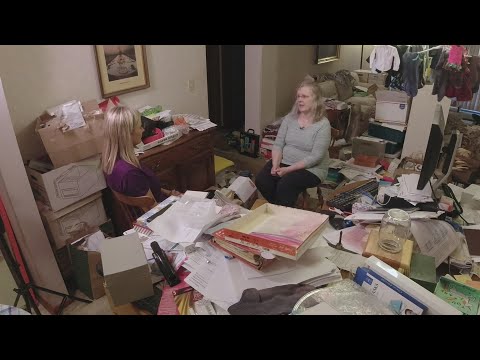
You ever seen a home where it looks more like a landfill than a living space? Yeah, that’s what we’re diving into—hoarding trash disorder. It might sound kinda funny on the surface, but trust me, it’s a serious issue.
Imagine feeling so attached to things you can’t let them go. Like, old newspapers or broken toys piling up everywhere. That’s not just messy; it messes with your head too.
When you think about it, hoarding isn’t just about having too much stuff. It’s tied to all sorts of emotions and struggles. You know, like anxiety and even depression.
So let’s chat about what hoarding really means and how it affects people. It can be eye-opening, for sure!
Understanding the Differences Between Hoarding and ADHD Clutter: Key Insights for Mental Health
Understanding the differences between hoarding and ADHD clutter can be really helpful, especially when you’re trying to make sense of your own space or someone else’s. Both can lead to chaos at home, but they come from different places and have unique implications for mental health.
So, let’s break this down.
Hoarding Disorder is a mental health condition that goes beyond just having a lot of stuff. It’s when someone has a compulsive need to collect items and has difficulty parting with them, even if they’re basically trash. You might find stacks of newspapers, old clothes, or broken furniture everywhere. The thing that really stands out is the emotional attachment to these items. It’s like each piece feels like a part of their identity. For many people with hoarding disorder, discarding items can trigger intense feelings of anxiety or distress.
On the other hand, clutter related to ADHD isn’t typically driven by emotional attachments in the same way. People with ADHD often struggle with organization and time management. You know how it is—things get messy because it’s hard to keep track of everything when your mind is jumping all over the place? You might find piles of unfinished projects or scattered items that just kind of accumulate because there wasn’t enough focus to put things away.
Now here are some key differences:
- Emotional Attachment: Hoarding involves strong emotional connections to objects; ADHD clutter usually doesn’t.
- Intention: Those who hoard often believe their items have value or significance; someone with ADHD might not even realize how cluttered their space has become.
- Anxiety Response: Discarding items can cause panic for someone who hoards; for those with ADHD, it’s more likely frustration about not being able to find things.
- Motivation: Hoarders feel compelled to hold onto things; people with ADHD may want a tidy space but lack the organizational skills or time.
You see how these differences play out? It can be tough for friends and family members trying to help loved ones navigate this chaos. Like I remember a friend whose sister couldn’t throw away clothes she hadn’t worn in years, convinced she’d need them someday. It made her truly unhappy because her home was practically unlivable. But then my other buddy had tons of papers scattered everywhere—not because he cherished them (honestly he barely looked at them) but mainly because he kept getting sidetracked before cleaning up.
In terms of psychological effects, both situations cause stress but in different ways. For the person dealing with hoarding, there’s often deep-rooted shame and isolation involved as friends may pull away due to the messiness or neglectful behavior. Someone with ADHD clutter might feel overwhelmed and frustrated but not necessarily experience that same level of shame.
Ultimately addressing these issues requires understanding what’s going on beneath the surface—whether it’s seeking therapy specifically tailored for hoarding disorder or finding strategies that help manage ADHD symptoms better like using organizational tools or routines.
So here’s the bottom line: while both hoarding and clutter from ADHD create messes that can derail lives, they arise from different psychological roots and manifest uniquely in daily life challenges. Knowing this can help us support ourselves and others in finding effective ways through that mess!
Can Hoarders Recover? Exploring the Path to Healing and Overcoming Hoarding Disorder
Sure, let’s chat about hoarding disorder and whether recovery is possible. It’s a complex issue, and understanding the path to healing is really important.
Hoarding disorder isn’t just about holding onto stuff; it’s often tied to deeper emotional issues. Many people with this condition struggle with anxiety, depression, or trauma. They find it hard to part with things because they fear losing memories or feel a strong attachment to their possessions. This can create a chaotic home environment that affects their daily lives.
So, can hoarders recover? The answer is yes—many people do find ways to heal over time! But it’s not always straightforward. Here are some key points about the recovery journey:
- Acknowledge the Problem: Recovery often starts when someone realizes that their hoarding behavior is causing problems in their life—and that’s a big step!
- Seek Professional Help: Therapy can be super effective. Cognitive-behavioral therapy (CBT) specifically helps people reshape their thought patterns regarding possessions.
- Learn Coping Strategies: These can help manage anxiety during the decluttering process. Techniques like mindfulness can also make it easier when faced with tough decisions.
- Support Systems Matter: Friends and family can play a crucial role in recovery by offering support and understanding without judgment.
- Gradual Exposure: It’s usually overwhelming to tackle everything at once. Breaking down the process into smaller steps makes it more manageable.
Now, let me share a quick story. I had a friend named Jake who struggled with hoarding for years. His house was filled with newspapers and old furniture that he felt attached to. One day, after talking to his therapist for months, he realized his clutter was affecting his health and relationships. It wasn’t easy for him, but he started small—like clearing out one corner at a time—with help from family members who understood what he was going through.
This kind of gradual progress led Jake toward feeling more in control of his space—and life! He learned how to make decisions on what truly mattered to him and felt lighter both physically and emotionally.
It’s essential to remember that recovery looks different for everyone. Some may find joy in having less stuff around them while others may still have challenges even after decluttering. With patience and support, many individuals manage to reclaim their spaces and lives from hoarding.
In summary, yes, recovery from hoarding disorder is possible! It takes time and effort but getting there really changes lives for the better. The key lies in being open to change, seeking support, and taking those small but meaningful steps toward healing.
Understanding Psychological Support for Hoarders: Effective Strategies and Resources
When we think about hoarding, it’s easy to picture someone buried under piles of old newspapers or stacks of forgotten trinkets. The reality, though, is much more complex. Hoarding Disorder is a serious mental health issue that often stems from deeper emotional struggles. The psychological support for people dealing with this condition can be really effective if approached thoughtfully.
Understanding the Roots
To start off, hoarding isn’t just about being messy—it’s often linked to anxiety, depression, or trauma. You might find that some people hold onto items because they feel insecure about losing them. Imagine a person who grew up in an unstable environment; keeping things might give them a sense of control, you know? It’s a coping mechanism that brings comfort amid chaos.
The Role of Therapy
When it comes to treatment, therapy can be a game-changer. Cognitive Behavioral Therapy (CBT), in particular, has shown great success for hoarders. In CBT, the therapist helps clients identify distorted thoughts and beliefs about their possessions. For example, if someone thinks they’ll «need» every item in their house someday, the therapist guides them to challenge that belief.
Another effective approach is exposure therapy. This involves gradually facing the emotional discomfort that arises when parting with items. Picture someone starting with a single box of old knickknacks. They slowly work through it while learning to tolerate the anxiety instead of avoiding it.
Support Groups
Support groups can also be super helpful! Joining others who understand what they’re going through creates a sense of community and normalcy. When you hear other people’s stories—like someone who once struggled but made progress—it can spark hope and inspiration. Sharing experiences helps build connections and reduces feelings of isolation.
Practical Strategies
There are some practical strategies that can help in everyday life too:
- Set Small Goals: Don’t aim to declutter your entire home at once! Start small; maybe tackle one room or even just one corner.
- Create Categories: Designate areas for keepers, donations, and trash right from the get-go.
- Involve Trusted Friends: Sometimes having someone else there makes decision-making easier.
- Shed New Light on Items: Try taking photos of items you’re not ready to let go but don’t want cluttering your space anymore.
It’s like having training wheels as you learn to navigate letting go without feeling overwhelmed.
Additional Resources
Resources are out there too! There are hotlines, online forums like Reddit’s r/Hoarders where people connect and share advice or even local therapists specializing in hoarding behavior.
Also consider books on organizing that offer practical advice along with insights into why we hold on so tightly to our stuff.
At the end of the day, understanding hoarding requires compassion—not judgment. If you see someone struggling with this issue or if it’s hitting close to home for you personally, remember: change doesn’t happen overnight but every small step counts towards healing and growth!
Hoarding disorder, or hoarding trash as some folks might call it, is a pretty heavy topic. You know how sometimes you hang onto things that really don’t serve you anymore? Maybe it’s that old shirt from high school or a stack of magazines that went out of style like, ages ago. Well, for some people, this tendency takes a serious turn. It’s like their homes become a chaotic museum of stuff they can’t let go of—broken lamps, old newspapers, food containers. And it can totally mess with their lives in ways we might not even think about at first.
I remember chatting with my friend Sam about his grandma. She lived in this small house filled to the brim with junk—books piled everywhere, boxes overflowing with who-knows-what. Sam felt embarrassed when friends came over and always worried about her health and safety. It was heartbreaking because he loved her dearly but felt helpless since she just wouldn’t see how the clutter was affecting her life. This is where the emotional toll comes into play.
People grappling with hoarding disorder often feel intense anxiety at the thought of throwing things away. It’s not just about being messy; it’s like they attach emotions to every item—each piece tells a story for them, and tossing it feels like losing part of themselves. You can imagine how isolating that gets! They might push away friends or family who try to help because they see them as threats to their comfort zone.
And there are deeper issues tied up in all this—things like depression and anxiety are common companions for those dealing with hoarding behavior. It’s kind of like building walls around oneself, using possessions as barriers against facing tougher feelings or realities. So rather than finding joy in what they have, they end up feeling trapped by a mountain of stuff they can’t bear to part with.
Therapy often plays a big role in addressing these struggles. A therapist would work with someone dealing with hoarding disorder not just on decluttering their space but also on unpacking those tangled emotions behind the compulsive behavior. In time—if they’re willing—it can lead to understanding and healing.
But hey, it’s important to remember that stepping into someone else’s shoes helps us see the bigger picture here: hoarding isn’t just an issue about messiness; it reflects deep-seated fears and vulnerabilities that need compassion rather than judgment. So next time you see cluttered space or hear someone mention hoarding trash disorder, you might think about what stories are hidden among those piles—and how kindness could be key in helping someone find their way out of that maze.