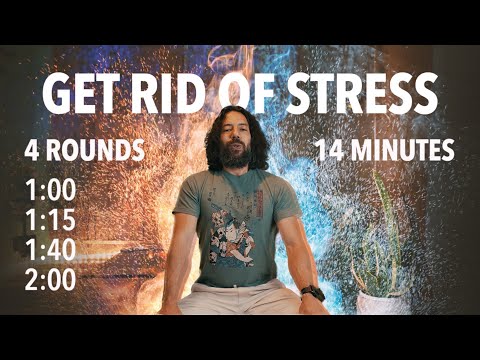
Alright, let’s chat about something super cool—Hoffman Breathing. You ever feel like life just throws way too much your way? Like, one minute you’re fine, and the next, everything feels heavy?
Well, here’s the scoop. Hoffman Breathing can help you chill out and build some serious emotional resilience. Seriously! It’s all about finding your calm in the chaos.
Imagine being able to take a deep breath and feel that weight lift just a bit. Sounds nice, right? Trust me, it’s not some mystical magic trick; it’s a legit tool you can use every day.
Let’s break down what this breathing thing is all about and how it can be your go-to buddy when life gets a little too real. Ready for it?
Exploring the Hoffman Breathing Method: Benefits for Mental Health and Well-Being
Alright, let’s talk about the Hoffman Breathing Method and how it can really help your mental health. If you’re feeling overwhelmed, anxious, or just need a little boost in your emotional resilience, this might be worth exploring.
So, what exactly is the Hoffman Breathing Method? Well, it’s a technique that focuses on deep breathing to foster relaxation and emotional balance. You know how sometimes just taking a few deep breaths can make you feel calmer? That’s kind of the vibe here, taken up a notch!
1. Reducing Stress: One major benefit of this method is its ability to reduce stress. When you breathe deeply and consciously, it signals your body to relax. It helps quiet that constant chattering in your mind and can ease physical tension too.
2. Emotional Awareness: This technique encourages you to tune into your emotions more deeply. By focusing on your breath, you start to notice what’s going on inside—both good feelings and not-so-good ones. It’s like shining a light in dark corners of your mind!
Let me share a little story here. A friend of mine was struggling with anxiety, feeling like she was always on edge. She tried the Hoffman Breathing Method for a couple of weeks and found that just taking time to breathe helped her figure out what emotions she was dealing with—like sadness about an old issue she hadn’t processed properly. It was kind of eye-opening for her.
3. Building Resilience: You might be wondering how that helps with resilience? Well, when you’re more aware of your feelings and able to manage stress better, it makes facing challenges feel less daunting. Over time, you learn to handle setbacks without losing your cool.
4. Enhancing Mindfulness: The practice is also great for enhancing mindfulness—a key tool in mental health these days! Being present in the moment can shift your perspective and help clear away all those unnecessary worries about past or future issues.
But here’s the thing: Regular practice is where the magic happens! Just like hitting the gym to build muscle takes time and consistency, developing this breathing habit requires some dedication too.
In addition to personal exploration through breathing techniques, consider integrating this method into other aspects of self-care—like meditation or yoga. They complement each other nicely!
To wrap it all up: The Hoffman Breathing Method isn’t some quick fix but rather a powerful tool for emotional resilience and calmness in life’s ups and downs. Not only does it help with stress reduction and emotional awareness but also builds that much-needed strength we all have inside us!
Unlocking Calm: The Surprising Mental Health Benefits of Wim Hof Breathing Techniques
The Wim Hof breathing technique has been gaining some serious attention in the mental health community lately. You might be asking, why all the buzz? Well, it turns out that this method could help you unlock a sense of calm amidst life’s chaos.
So, what is Wim Hof breathing? It’s a technique developed by the «Iceman» himself, Wim Hof. This method combines controlled hyperventilation and breath retention. Basically, you take a series of deep breaths followed by holding your breath for as long as you can. It sounds a bit wild at first, but hear me out.
When you engage in this breathing style, you’re actually stimulating your body’s fight-or-flight response. This might sound counterintuitive since we’re talking about calmness here. But what happens is that after that initial rush of adrenaline fades away, your body enters a state of relaxation. It’s almost like it resets itself.
Here’s where things get interesting: research suggests that these breathing techniques can lower levels of stress hormones like cortisol while increasing endorphins, those lovely chemicals that make you feel good. Imagine feeling an overwhelming sense of peace wash over you when life feels heavy!
Let’s break it down further:
- Mood regulation: Regular practice could help manage anxiety and depression symptoms.
- Emotional resilience: This technique may enhance your ability to bounce back from stressors.
- Improved focus: Breathing exercises can sharpen concentration and mental clarity.
- Heightened awareness: It leads many practitioners to feel more connected to their bodies and surroundings.
Think about a time when you felt overwhelmed—maybe it was finals week or a tough breakup? You know how deep breaths can sometimes help? Now imagine harnessing that feeling intentionally!
Many people have shared how incorporating routine breathing exercises has helped them manage day-to-day stresses better, even during peak anxiety moments. A friend told me about how he faced his fear of public speaking using these techniques before stepping on stage—he felt calmer than ever!
However, it’s worth mentioning that these methods aren’t a replacement for professional therapy or medication when needed. They work best as complementary strategies in your mental health toolkit.
In essence, the Wim Hof breathing technique has potential benefits that stretch beyond just physical health. So if you’re curious or even skeptical, why not give it a shot? No harm in taking a few deep breaths and seeing if they lead you toward greater emotional resilience and calmness!
Unlocking Mental Clarity: The Benefits of the Wim Hof Breathing Method for Stress Relief and Focus
The Wim Hof Breathing Method is pretty intriguing. It’s all about using your breath to boost your mental clarity, relieve stress, and sharpen focus. You might have heard of Wim Hof, the “Iceman,” who’s gained a following for his unique combination of breathing techniques and cold exposure practices. Let’s break down what it’s all about and how it can help.
First off, what do you need to know about the breathing itself? Well, the **Wim Hof Breathing Method** consists of three main parts: controlled hyperventilation, breath retention, and recovery breaths. Sounds complex? It’s easier than it sounds!
1. **Controlled Hyperventilation**: You start by taking deep breaths in and letting them out quickly. Like you’re filling your lungs to the brim with air. You do this for about 30 rounds. This process can increase oxygen levels in your body.
2. **Breath Retention**: After those rapid breaths, you exhale completely and hold your breath for as long as you comfortably can. This part might feel a little intense but helps recalibrate how your body reacts to stress.
3. **Recovery Breaths**: Finally, when you feel the need to breathe again, take a deep inhale and then hold that for around 15 seconds before exhaling again.
What happens during this practice? Well, folks often report feeling more alert afterward—like their minds are clearer or they’re more focused on tasks at hand. It’s no small thing! That burst of oxygen can help enhance blood flow and give a nice lift to your energy levels.
Now let’s dive into those **benefits** specifically linked to stress relief:
– It calms the nervous system: Engaging in this breathing technique regularly can activate the parasympathetic nervous system—the “rest and digest” part of your nervous system. This means less anxiety!
– Reduces cortisol levels: Some studies suggest that deep breathing practices like this one may lower cortisol levels—the hormone responsible for stress—keeping things chill when life gets hectic.
When it comes to focus, there are some perks too:
– Improved concentration: By practicing these techniques regularly, many find they can concentrate better on tasks without distractions pulling them away so easily.
– Enhanced creativity: The increased oxygen flow may help clear mental fog, giving space for new ideas or solutions that weren’t there before.
But why does any of this work? The science behind it ties back to our body’s response to various stimuli—like stressors we face daily or even low-level anxiety that seems unshakable sometimes. Breathing exercises like Hof’s can train our responses over time so that we react differently when faced with stressful situations.
It’s worth mentioning here how similar this method is with **Hoffman Breathing**, another technique geared towards emotional resilience and calmness. Both practices emphasize breath control as a powerful tool in managing emotions and reactions.
You might wonder if it really fits into anyone’s lifestyle. Honestly? It’s pretty flexible! Whether you’re just sitting quietly at home or if you’ve got a busy day ahead filled with meetings or errands—you can sneak in these breathing exercises whenever you need a moment of calmness or clarity throughout the day.
So if you’re feeling swamped by stress or battling thoughts racing around like crazy? Taking just ten minutes outta your day to try out Wim Hof’s method could really make a difference—in both how clear-headed you feel and how effectively you tackle whatever life throws at ya!
You know, life can be a whirlwind sometimes. Just the other day, I was sitting in a café, surrounded by people who seemed totally at ease, sipping their lattes while I felt like my mind was racing a hundred miles an hour. That’s when I stumbled upon Hoffman Breathing. It sounded intriguing but honestly, I wasn’t sure what to expect.
Hoffman Breathing is all about controlled breathing techniques that can help ground you in moments of stress or emotional overwhelm. The idea is pretty simple: you breathe in a specific pattern to bring your focus back to the present and calm your racing thoughts. Kinda like hitting the pause button on your brain.
I decided to give it a shot right there in that buzzing café. Closing my eyes for just a sec felt awkward at first, but once I started breathing deeply and steadily, something shifted inside. It was as if my chaotic thoughts began to settle down like leaves falling gently from trees in autumn. Seriously!
What’s wild about it is how accessible it is. You don’t need fancy equipment or even a special place—just you and your breath. And when emotions start bubbling up—say, anxiety about work or worries about relationships—you can use this breathing technique as a little anchor.
I remember one particularly tough evening when everything felt heavy and overwhelming. Just taking ten minutes to practice Hoffman Breathing made me feel more centered—the clarity that followed was almost surreal! It’s like finding strength within myself that I didn’t know existed.
But here’s where it gets interesting: breathing isn’t just this physical act; it connects deeply with our emotions too! When we breathe deeply, we send signals to our brains that it’s okay to relax. That balance between body and mind? It’s where resilience lives.
It might sound simplistic—just breathe and voila! But seriously, incorporating this into my routine has been eye-opening. Emotional resilience isn’t just about bouncing back; it’s about finding those moments of calm amid chaos, allowing yourself space to feel whatever you’re feeling without judgment.
So yeah, if you’re looking for something small yet powerful, give Hoffman Breathing a try! You never know when life’s storms will hit, but having tools like this can really help you navigate through them with a little more grace and ease.