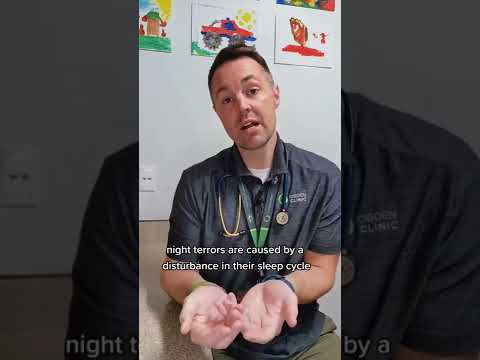
You know those nights when you wake up out of a dead sleep, heart racing, like you just ran a marathon? Yeah, that’s night terrors for you. Super scary stuff!
So imagine this: you’re in a deep dream, and suddenly you’re screaming or thrashing around. Meanwhile, everyone else is just trying to get their beauty sleep. Awkward, right?
Don’t worry though! There are some home remedies that can really help calm those night terrors down. I mean, who wouldn’t want to sleep like a baby again?
Let’s chat about some simple tips that might ease your mind before bed. You got this!
Understanding Night Terrors: Common Triggers and Effective Coping Strategies
Night terrors can be pretty unnerving. They’re more than just bad dreams; they’re intense episodes that usually happen during deep sleep. Imagine waking up suddenly, feeling like you’re stuck in a nightmare, and it’s not even morning yet. You might not remember much the next day, but those moments can leave you and those around you shaken.
Common triggers for night terrors often include stress, sleep deprivation, or even certain medications. If you’ve had a super long day at work or dealt with some heavy stuff emotionally, it could show up in your sleep later. For kids, things like fever or over-stimulation before bed might trigger these episodes. Isn’t that frustrating? You think they’re finally asleep, but no—suddenly they’re crying or screaming.
Another thing to keep in mind is sleep disorders. Conditions like sleep apnea can mess with your deep sleep cycles and potentially lead to night terrors as well. So if you’re snoring loudly or feel super tired during the day no matter how much you sleep, maybe it’s time to check in with a doc.
Now about coping strategies—there are several ways you can tackle this issue at home:
- Establish a bedtime routine: Going to bed at the same time each night helps regulate your body’s internal clock.
- Create a calming environment: Make your bedroom a peaceful place. Dim the lights and consider using white noise machines.
- Avoid stress before bed: Try relaxing activities before hitting the pillow, like reading or doing gentle stretches.
- Keep a consistent sleep schedule: Consistency is key! Try to stick to the same wake-up time every day (even on weekends).
- Limit stimulants: Avoid caffeine and sugar close to bedtime; they can rock your ability to chill out.
Let’s say one night after a tough week at work, you wake up screaming because your boss is chasing you down a dark alley—even though he’s really just sitting at his desk 9-to-5! That panic response is totally normal during an episode of night terrors. The thing is—you don’t realize how stressful life can be until it shows up in your dreams.
And oh! If you’re dealing with kids who have night terrors, please don’t panic when they’re screaming in their sleep! They won’t remember it the next day; just ensure they’re safe and calm them down without waking them fully.
Lastly, if these strategies don’t help, talking to a professional could be beneficial. Sometimes there are deeper issues worth exploring together—and having someone guide you through that can create some relief too.
So yeah, while night terrors sound scary (and they absolutely are!), understanding what triggers them and having ways to cope makes all the difference. You got this!
Exploring the Link Between Night Terrors and Mental Illness: Insights and Implications
Night terrors can be pretty scary, not just for the person experiencing them but also for anyone witnessing it. They’re those intense episodes where someone wakes up feeling terrified, often screaming or thrashing about, even though they might not have a clue what’s going on. It usually happens during deep sleep, which is why someone might not remember it the next day.
Now, what’s fascinating—and kind of concerning—is how night terrors can sometimes link to underlying mental health issues. You know how stress and anxiety can mess with your sleep? Well, night terrors may be influenced by them as well. If someone is dealing with anxiety or depression, it could set the stage for more frequent night terrors.
Stress and Trauma can be a big culprit here. A lot of research suggests that traumatic experiences can trigger night terrors in some cases. For example, a child who’s witnessed something frightening may develop these episodes as their mind processes the trauma in their sleep. This doesn’t just go away; addressing that trauma with therapy might help reduce those terrifying nights.
Another thing to consider is sleep deprivation. When you don’t get enough rest, it affects your body and mind in all sorts of ways—even leading to more severe nightmares or night terrors. So if you’re burning the candle at both ends, it could backfire at night when you least expect it.
You’ve got family history playing a role too. Night terrors tend to run in families—if a parent experienced them as a kid, there’s a chance their child might too. It’s like this little genetic hand-me-down that nobody asked for!
Now let’s talk about home remedies if you’re looking to help manage these nighttime crises:
- Create a calming bedtime routine. Engaging in relaxing activities before bed—like reading or listening to soft music—can signal your brain it’s time to wind down.
- Avoid caffeine and heavy meals. Giving your body time to digest food and keeping caffeine out of the picture close to bedtime can make it easier to fall into restful sleep.
- Practice relaxation techniques. Whether it’s deep breathing exercises or gentle stretches—these practices can soothe your nervous system and make you less prone to stress-induced nightmares.
- Improve your sleep environment. Make sure your bedroom is cozy, dark, and quiet; little changes here can tremendously impact how well you sleep.
Realistically speaking though? If night terrors become frequent or severe enough that they affect day-to-day life or bring on significant distress, seeking professional help is super important. Talking with a therapist who understands these issues will really help guide you through strategies specifically tailored for you.
In short: while there’s definitely a link between night terrors and mental health conditions like anxiety or trauma, understanding what causes those fear-filled nights is crucial. By focusing on creating better sleep habits and addressing any underlying issues head-on, there’s hope for quieter nights ahead!
Effective Remedies to Alleviate Night Terrors in Toddlers: A Parent’s Guide
When it comes to night terrors in toddlers, it can be pretty frightening for both the little one and the parents. Imagine waking up to your kiddo screaming, looking terrified, and not being able to comfort them right away. It’s unsettling, right? Here’s the thing about night terrors: they usually happen during deep sleep and are different from regular nightmares. So, what can you do to help? Here are some effective remedies that might just make those nighttime episodes a little less terrifying.
Maintain a Consistent Sleep Schedule
Getting your toddler to bed at the same time every night can work wonders. You see, kids thrive on routine. When their bodies know when it’s time to sleep, they tend to have better quality sleep overall. Try creating a relaxing bedtime routine that includes calming activities like reading or snuggling.
Create a Relaxing Sleep Environment
The bedroom should feel cozy and safe for your child. Make sure it’s dark enough but not too dark—maybe use a soft night light if they tend to get frightened in total darkness. Keep the room at a comfortable temperature because being too hot or cold can also disrupt sleep.
Limit Stimulation Before Bed
Hey, I get it. Sometimes it’s easy to let them watch cartoons or play games before bedtime. But this kind of stimulation can keep them wired! Try winding down with quiet play or stories instead of screens at least an hour before bedtime.
Address Stress or Anxiety
If your toddler is experiencing any changes in their life—like starting preschool or moving homes—they might be feeling anxious without you even realizing it. Talk with them about their day before bed and encourage them to express any feelings they have. This helps ease tension.
Gentle Wake-Up Technique
Some parents find that gently waking their child 15-30 minutes before they typically experience night terrors can help prevent them altogether. It sounds strange, but this helps break the cycle of deep sleep that often leads to those scary moments.
Use Comfort Objects
Having something familiar nearby during the night can really settle a little one’s nerves. Think about giving them a stuffed animal or special blanket that brings comfort when things get rough.
Remember, while these remedies might help alleviate night terrors, they’re usually just part of growing up for many kids—and most outgrow them as time goes on! If your child’s night terrors seem excessive or are affecting their daily life significantly, consider reaching out to a pediatrician for additional support and guidance.
So there you have it! By sticking with these simple strategies, you can create an environment filled with comfort—hopefully leaving those nighttime fright-fests in the dust!
Night terrors can be really intense, huh? I mean, one minute you’re cozy in bed, and the next you wake up in this complete state of panic. It’s not just a vivid dream; it’s like your brain has decided to throw a horror show while you’re asleep. I remember a friend sharing how they once shot upright in their bed, heart racing, convinced there was someone in the room. Thankfully, night terrors are usually more common in kids but hey, adults can have them too.
So what can you do about it? Well, while it’s always important to talk with a professional if you’re struggling with this stuff regularly, there are some home remedies that might help ease those nighttime freak-outs.
First off, creating a relaxing bedtime routine could help. You know the usual suspects: calming teas like chamomile or lavender can set the stage for more peaceful sleep. And if you can sprinkle some light stretching or meditation into your pre-sleep rituals, that could work wonders too.
Also, consider keeping your bedroom environment chill and cozy—like not too hot and not too cold kind of vibe—because that plays a role in how well we sleep. A dark room is key too! If you’ve got light creeping through the window or from gadgets (ugh!), maybe think about some blackout curtains.
Another thing people don’t think about is diet; what you eat during the day might affect your sleep quality at night. Eating heavy meals right before bed isn’t a great idea; instead maybe snack on something light if you’re feeling peckish.
And hey, don’t forget about stress management during the day! Journaling or talking about your feelings with a trusted friend may help unload some of that mental weight before hitting the pillow.
Of course, everybody’s different so what works for one person might not work for another. Just remember to be kind to yourself as you figure this out—you’ve got this!