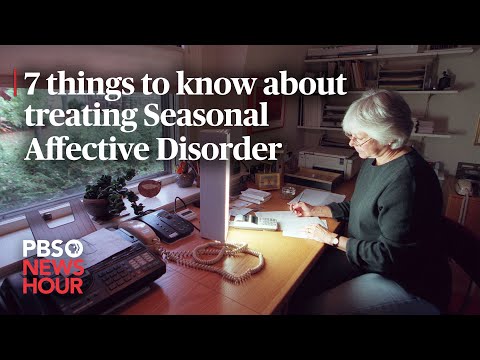
Seasonal depression, man. It hits hard, doesn’t it? Shorter days and that chilly weather can really mess with your mood.
You know those times when getting out of bed feels like climbing a mountain? Yeah, I’ve been there too. It’s like the sun decided to take a vacation, and you’re left feeling blah.
But here’s the good news! There are some natural remedies that might just help brighten up your days. Seriously! From little lifestyle shifts to cozy rituals, we’ve got options.
Let’s dig into some ideas that could lift your spirits and bring back that spark! Ready to feel a little better?
Understanding Seasonal Depression: When Symptoms Peak and How to Cope
So, let’s talk about seasonal depression. You might know it by its fancy name: Seasonal Affective Disorder (SAD). Basically, it’s a type of depression that shows up during certain seasons, like when winter rolls in and daylight seems to just disappear. Many folks feel down and out when the days are shorter and the air gets chillier.
You know that feeling when you wake up and it’s still dark outside? That kind of gloom can seriously mess with your mood. For a lot of people, symptoms start to hit hard in late fall and stick around until spring. Like, what gives? Well, one big reason is that lack of sunlight can mess with your body’s internal clock—your circadian rhythm—and that affects how you produce hormones like serotonin and melatonin.
Let’s chat about some common symptoms. You might find yourself feeling extra tired, sleeping more than usual, or craving carbs like they’re going out of style. And guess what? You might not want to hang out with friends either. It’s like this blanket of heaviness settles in, making everything feel a bit tougher.
Now here comes the good part: coping strategies! There are definitely ways to help lighten the load when SAD knocks on your door.
Light Therapy: This is one of the most popular treatments for seasonal depression. You sit in front of a special light box that mimics natural sunlight. It can boost your mood and help reset your internal clock.
Natural Supplements: Some people find relief with supplements like Vitamin D or Omega-3 fatty acids. They might help lift spirits during those dreary months when sunshine feels like a distant memory.
Exercise: Seriously, getting active can work wonders! Even just a brisk walk outside (when it isn’t freezing!) can help release those feel-good endorphins.
Healthy Eating: Try filling your plate with fruits, veggies, whole grains, and lean proteins instead of comfort foods all the time. It helps not only with physical health but also mental well-being!
Mindfulness & Meditation: Engaging in mindfulness practices or meditation can be super useful too. Just taking a few minutes each day to breathe deeply or focus on the present moment can ease anxiety.
Now imagine if your friend Sarah is going through this winter slump. She loves hiking but has been avoiding it because it’s cold and dark outside. One day she decides to meet up with her friends for a walk at noon when there’s still daylight—boom! That little change lifts her spirits significantly!
The thing is, recognizing SAD isn’t always easy since many folks think they’re just “feeling down” because it’s wintertime; they brush it off as normal seasonal blues without digging deeper into how they’re really feeling inside.
If you or someone you know is dealing with these feelings consistently each year around the same time—don’t ignore them! It might be worth reaching out for support from loved ones or even talking to a therapist who gets what you’re going through.
In summary: seasonal depression feels real and tough for many people, especially as days grow shorter during fall and winter months. But there are ways to cope—whether through light therapy or simply spending more time outdoors when you can—and hey, you’re not alone in this struggle!
Top Vitamin Solutions to Alleviate Seasonal Depression: Discover the Key Nutrient for Your Mental Health
Seasonal depression, or Seasonal Affective Disorder (SAD), can feel like this heavy blanket you just can’t shake off. It tends to creep in as the days grow shorter and sunlight becomes a rare treat. While therapy and light therapy are often talked about, there’s also a quiet conversation around vitamins and how they might help lift that gloom.
Vitamin D is often called the sunshine vitamin for a reason! When the sun isn’t around much, people can end up low on this essential vitamin. Studies suggest that low levels of vitamin D may be linked to increased symptoms of depression. So, if you’re not getting enough sunlight, consider supplementing with vitamin D or adding foods like fatty fish, egg yolks, or fortified cereals to your plate.
Next up is Omega-3 fatty acids. These are crucial for brain health and mood regulation. Research shows that people who consume more omega-3s tend to report lower levels of depression. You can find these gems in fish oil supplements or by munching on walnuts and flaxseeds. Seriously, just adding a handful of walnuts to your salad could make a difference!
Then there’s Vitamin B12, which plays a key role in keeping your energy levels up and your mood stable. A deficiency in B12 can lead to feelings of fatigue and depression. If you’re vegetarian or vegan, watch out for this one since it’s primarily found in animal products like meat, dairy, and eggs. You might want to look into fortified foods or supplements if you’re running low.
Don’t forget about Magnesium, either! This mineral helps regulate neurotransmitters that send signals throughout your brain and body. Low magnesium levels have been associated with higher rates of anxiety and depression. You can boost your magnesium intake with dark leafy greens, nuts, seeds, and even dark chocolate—yes please!
Also worth mentioning is Zinc. It supports mood regulation and helps with overall brain function. Sometimes when people are feeling down during those darker months, they might not be getting enough zinc from their diets if they lean away from meat or seafood sources. Foods rich in zinc include beans, nuts, whole grains, and dairy.
Look—I’m not saying these vitamins are magic cures that’ll transform everything overnight but incorporating them into your routine might help ease some symptoms during those tough seasonal months.
So what’s the bottom line? If you’re battling seasonal depression:
- Consider Vitamin D: Try to soak up some sun whenever possible.
- Add Omega-3s: Think fish oil supplements or grab some walnuts.
- Don’t forget B12: Check those labels if you’re plant-based.
- Get Some Magnesium: Dark greens should be your buddies.
- Zinc Matters: Incorporate more beans and nuts into meals.
Of course, it’s always smart to talk with a healthcare provider before making any major changes or starting new supplements. They can help tailor things specifically for you since everyone’s body is different!
Understanding Winter Anxiety: Symptoms, Causes, and Coping Strategies
Winter can be a tough time for a lot of folks. Those cold, dark days can really take a toll on your mood. It’s not just you; many people experience something called winter anxiety. This can feel like a cloud hanging over you, making it hard to enjoy things you usually love. So what’s going on here?
Symptoms of winter anxiety can look different for everyone. You might notice:
- Increased worry: You could feel like your mind is racing or that there’s just too much to handle.
- Fatigue: Even if you’re getting enough sleep, you might wake up feeling tired or drained.
- Social withdrawal: It’s pretty common to want to stay home and skip gatherings with friends.
- Mood swings: One minute you’re alright, the next you’re feeling down—super frustrating!
These symptoms can mix with other signs of seasonal depression, which often comes with the lack of sunlight and cozy vibes of winter.
Now, let’s break down some causes. Why does winter seem to bring on this wave of anxiety?
- Less sunlight: Daylight is super important for regulating your mood. Less sun means less serotonin production, which can lead to feelings of sadness.
- Cold weather: Seriously, who wants to go out when it’s freezing? Staying inside too much can worsen those feelings of isolation.
- The holiday pressure: Though it’s meant to be joyful, the holidays can come with stress—family dynamics and financial worries don’t magically disappear in December.
So now that we get what it is and why it happens, how do we cope? Luckily, there are some simple strategies you could try!
Coping strategies? Here are a few that might help:
- Naturally brightening your space: Open those curtains! Let as much natural light in as possible during the day. You’d be surprised how much it helps!
- Aromatherapy: Certain scents like lavender or citrus may lift your spirits. An essential oil diffuser could work wonders in your space.
- Meditation and mindfulness: Taking just a few minutes daily to breathe deeply or focus on the present moment can seriously ease anxiety.
- Dressing warmly and getting outside: Even when it’s chilly, bundling up and taking short walks outside can boost your mood significantly!
More than anything else, remember that winter won’t last forever! So if you’re feeling overwhelmed this season, don’t hesitate to reach out for help. Sometimes just talking about what’s bothering you makes a world of difference.
You’re not alone in this; many people struggle during winter months. By understanding those symptoms and finding ways that work for you to cope, you’ll hopefully find some peace even amidst the chilly weather!
Seasonal depression can hit hard, especially when those long winter months roll in. You know, when the sky seems to be perpetually gray and the sun feels a million miles away? I remember chatting with a friend about how she always felt this gloomy weight during winter. It seemed like the chill in the air seeped right into her bones. She’d say, «I just want to feel normal again.»
So, if you’re feeling a bit off as the seasons change, you’re not alone. Seasonal Affective Disorder (SAD) is like that unwelcome guest who just won’t leave the party. But hey, there are some natural remedies that might help lighten that load.
For starters, getting outside—yeah, even when it’s cold—can be a game changer. Soaking up whatever sunlight you can find, even for just 15 minutes, might lift your spirits a bit. Our bodies need that sunlight to produce vitamin D, which plays a big role in our mood. Seriously!
Another thing to consider is exercise. Ugh, I know—sometimes it’s tough to think about getting moving when all you want is to curl up on the couch with hot cocoa and Netflix. But even just taking a brisk walk or doing some stretches at home can release those feel-good endorphins and pump up your energy levels.
And then there’s good ol’ herbal tea. Chamomile or peppermint can be soothing and bring comfort on those dreary days. I remember my friend making herself a nice cup of chamomile while she read her favorite book—it felt like a mini escape from reality.
Also, let’s not forget about connecting with others! Whether it’s texting friends or joining groups with similar interests, sharing how you’re feeling can be really cathartic. Sometimes we all need that reminder that we’re not alone in this!
Lastly, embracing cozy routines or rituals—like lighting candles or creating art—can make your space feel warmer and brighter. Seriously cool how small things can change your vibe!
While these natural remedies might not erase all symptoms of seasonal depression overnight, they could definitely help ease some of the heaviness. Just remember to check in with yourself and see what works best for you! It’s all about finding those little pockets of joy—even during the darker days of winter.