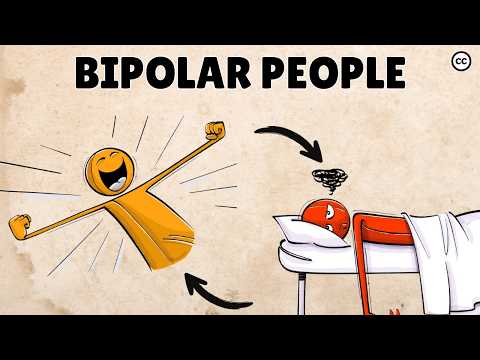
You know that feeling when your emotions are all over the place? One minute you’re on top of the world, and the next, it’s like you’re in a deep, dark hole? Yeah, that’s part of what it’s like to deal with bipolar disorder.
Homeland bipolar conditions can be tricky. Sometimes surprising. It can feel like you’re being tossed around in a storm. And let me tell you, it doesn’t just affect you; it impacts everyone around you too.
Let’s take a second to chat about what this really means. Because understanding these ups and downs is super important. It helps us navigate all those messy feelings, and honestly, makes life feel a bit more manageable.
So grab a snack or something—this might get real.
Exploring Bipolar Disorder: Is ‘Homeland’ a True Reflection of the Condition?
Bipolar disorder, huh? It’s one of those mental health conditions that often gets a bad rap in movies and TV shows. Take «Homeland,» for example. It stars Claire Danes as Carrie Mathison, a CIA officer who, you guessed it, has bipolar disorder. The show really dives into her emotional ups and downs, but the question is—does it get it right?
First off, let’s break down what bipolar disorder actually is. It’s more than just having mood swings. People with this condition experience intense episodes of mania and depression. Mania can look like feeling super energized, running on little sleep, or making impulsive decisions. On the flip side, depression can lead to feelings of hopelessness and lethargy.
Now back to «Homeland.» Carrie’s character exhibits a lot of these manic behaviors—like when she takes huge risks or acts impulsively without thinking about the consequences. This portrayal has both its hits and misses.
- Accurate highs: During her manic episodes, Carrie displays an incredible drive and creativity. This part rings true for many people living with bipolar disorder who often feel on top of the world.
- Unrealistic lows: However, some viewers think that her depression is shown as more explosive than it actually is for most patients.
- Mainstream misconceptions: The show sometimes leans into stereotypes about danger and unpredictability tied to mental illness. Most people with bipolar are not violent or threats to others.
Imagine being at a party where everything feels thrilling for hours—music pumping and laughter all around—but then suddenly you feel empty when you’re alone again. That rollercoaster is what many folks might relate to watching Carrie on «Homeland.» But remember—it’s just one story among many.
The portrayal might help raise awareness about bipolar disorder—get people talking—but it doesn’t cover all bases. Not everyone has the same experience with this condition; lifestyles vary widely from person to person.
So yeah, while «Homeland» touches on serious elements of living with bipolar disorder through a dramatic lens, there’s a need for more nuanced representations out there. Real life isn’t just black or white; it’s filled with shades of gray (or maybe blue during those rough patches).
In summary, it’s great that shows like «Homeland» spark discussions about mental health issues like bipolar disorder but keep in mind—it doesn’t give you the full picture! Every person’s journey with their mental health can be really different, so it’s always good to listen to their stories too!
Exploring Carrie Mathison’s Struggles with Medication: Insights into Mental Health and Resilience
So, let’s talk about Carrie Mathison from *Homeland*. She’s a character who’s really layered and has some intense struggles, especially when it comes to her mental health. You probably noticed how her bipolar disorder plays a huge part in her story. It’s a wild ride, and it brings up so many important issues about medication, resilience, and what it means to navigate life with mental health challenges.
First off, bipolar disorder is basically when someone experiences extreme mood swings that range from highs, or mania, to lows, or depression. And for Carrie, these episodes can hit hard. In the show, we see her go from being super energized and full of ideas to crashing into deep despair. Like, one minute she’s figuring out major international plots and the next she can barely get out of bed.
Now onto medication—this is where things get really tricky for Carrie. She deals with medication in a way that shows the struggle many people face. Some medications can help stabilize mood swings but come with their own set of side effects that might make you feel worse in other ways.
It’s heartbreaking because you want her to succeed and feel good! Yet watching her wrestle with the decision to take medication reminds us how personal this journey can be. You’ll notice that there are times when she feels empowered by her episodes—they spark creativity or drive—but they also lead her down dark paths.
What stands out through Carrie’s journey is resilience. She bounces back from setbacks in ways that are inspiring yet realistic. There are moments when she doubts herself or fears losing control again. But every time she comes back stronger in some way—even though it looks different each season.
And let’s not forget about support systems. Sometimes Carrie relies on friends like Saul or family members to help ground her during tough times. But it also showcases how fragile these connections can be under stress. It makes you think about how essential having people who understand your struggles is for recovery.
In closing (not saying “in conclusion,” promise), Carrie Mathison’s story does an excellent job of illustrating the complexities of living with bipolar disorder and the impact of medication on mental health. Her struggles serve as a reminder that resilience isn’t just about bouncing back; it often involves navigating tough decisions about how we care for ourselves along the way—medication included!
So next time you watch *Homeland*, maybe keep an eye on Carrie’s battles with meds and reflect on what they reveal about real-life mental health dilemmas we all sometimes face!
Exploring the Possibility: Can a Bipolar Diagnosis Be Reversed?
The idea of reversing a bipolar diagnosis can be a pretty confusing and emotional topic, you know? Many people wonder if it’s possible to “get rid” of bipolar disorder. The reality is, it’s not quite that simple. Let’s break this down a bit.
Firstly, bipolar disorder isn’t something you just catch like a cold. It’s usually considered a lifelong mental health condition characterized by mood swings that include emotional highs (mania or hypomania) and lows (depression). Although some folks may experience their symptoms less frequently or intensely over time, saying the diagnosis can be reversed isn’t really accurate.
You might think about it like this: imagine someone who has diabetes. They manage it with lifestyle changes and medication but still need to keep an eye on their blood sugar levels for life. Similarly, people with bipolar disorder often need ongoing management through therapy, medications, and support systems.
Here are a few key points to think about:
So, let’s talk about something that might feel personal for some of you: I’ve known friends who’ve faced these challenges. One buddy of mine used to go through intense manic phases where he felt invincible—seriously like he could conquer the world! But then he’d crash into deep lows, struggling to get out of bed for days. Over time—and with treatment—he learned how to navigate his feelings better and built skills to recognize when he was starting to go off track.
It’s not about reversing a diagnosis; it’s more about managing your unique experience with bipolar disorder. Some folks may see their symptoms become less frequent over time; others might always have challenges but learn ways to cope effectively.
In short, while you might hear stories of those who feel “cured” or find great stability in their lives after treatment, it doesn’t mean they’ve reversed the diagnosis itself. Instead, they’ve found ways to live well alongside it—and that’s something truly powerful!
Bipolar disorder can be one of those things that feels like riding a never-ending rollercoaster. One moment, you’re soaring high with energy, feeling like you can take on the world. And then, out of nowhere, it’s like someone hit the brakes and you’re plunged into a deep valley of sadness or lethargy. It’s not just mood swings; it’s like your emotions are on this wild seesaw ride that makes life feel super intense—sometimes overwhelming.
I remember a friend who went through this. One day, she was organizing a huge party, getting everyone excited and dancing around her living room. A week later, she barely wanted to get out of bed. We’d sit and talk about it over coffee (or sometimes tea, if she was in that kind of mood). She’d explain how her brain felt like it was caught in this constant tug-of-war between two extremes: the bright side and the dark side. It really made me realize how intricate these mental health conditions can be.
Navigating bipolar disorder also brings this sense of stigma along for the ride. You know what I mean? People often misunderstand it, thinking it’s just about being moody or dramatic. So when my friend opened up about her diagnosis, it took a lot for her to feel safe sharing that part of her life. That’s why education matters so much—like really getting into what bipolar is all about helps break down those walls.
And then there’s treatment—what a maze! Therapy and medications can work wonders for many folks, but finding what helps can be such a journey. It’s kinda like trying out different outfits until you find the one that fits just right—you might have to try a few things before hitting the jackpot.
Finding community is another important piece of the puzzle. Having people who truly get what you’re going through makes a world of difference—like when my friend found an online support group where she could share her experiences without judgment. These spaces foster understanding and offer ways to cope together.
So yeah, navigating bipolar disorder involves balancing highs and lows while breaking free from stigma and seeking understanding through support systems. It’s complex but so very real for many people out there—and having genuine conversations about it matters more than ever.