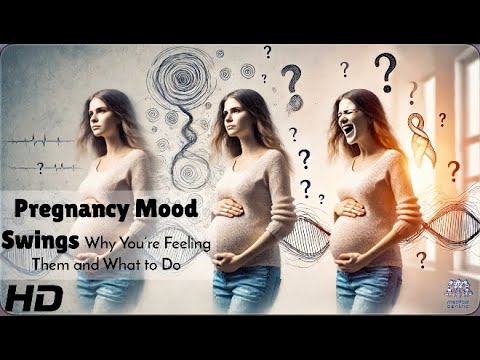
Okay, so let’s chat about pregnancy. You know, that wild ride where one minute you’re craving pickles and ice cream, and the next you’re crying over a commercial? Yeah, it’s all part of the hormonal rollercoaster.
Hormones can be a real trip during those nine months. They mess with your emotions in ways you might not expect. Seriously, one moment you’re smiling at your partner, and the next you’re feeling overwhelmed by everything.
I mean, who hasn’t heard a story about a mom-to-be bursting into tears because she saw a puppy? It’s like this magical mix of joy and anxiety all wrapped up in one crazy package.
So, let’s dig into how these hormonal shifts shape your feelings during pregnancy. It’s totally normal—and honestly, kinda fascinating!
Understanding the Onset of Emotional Hormones During Pregnancy: A Timeline for Expecting Mothers
So, you’re pregnant! Congratulations, seriously. But along with all that joy and excitement, your body is also throwing a huge hormonal party. Let’s break down how these hormonal shifts come into play and what emotional roller coasters you might be riding throughout your pregnancy.
First off, let’s talk about what hormones are kicking in. Right from the start of your pregnancy, levels of hormones like human chorionic gonadotropin (hCG), progesterone, and estrogen go up. These hormones are crucial for maintaining the pregnancy, but they also mess with your mood big time.
- First Trimester (Weeks 1-12): This is when those hormones start rolling in. You might find yourself feeling super excited one minute and then suddenly bursting into tears over a cute puppy video the next. It’s all normal! The rapid spike in hCG can cause mood swings.
- Second Trimester (Weeks 13-26): Many women report feeling more stable during this phase. Why? Well, your body starts to adjust to the hormone flood. But don’t let your guard down entirely – emotional sensitivity can still pop up unexpectedly.
- Third Trimester (Weeks 27-40): As you near the finish line, things can get intense again. Your body is preparing for labor with another surge of hormones like oxytocin and relaxin. You might experience anxiety or stress about childbirth or parenting. That’s totally okay!
A friend of mine told me about her experience during her third trimester. She was super excited to meet her baby but also scared about labor. One day she felt on top of the world; the next day? Total freak-out mode! It was wild how those emotional waves came crashing down on her.
The physical discomforts during this time don’t help either—like back pain or swelling—leading to further mood swings. Your surroundings matter too! Stressful environments or personal issues can amplify these emotions even more.
A critical thing to remember is that every pregnancy is unique. Some women breeze through it without many emotional ups and downs, while others feel overwhelmed with anxiety or sadness at times. If you ever find yourself feeling really low or experiencing persistent mood swings that interfere with daily life, don’t hesitate to reach out for help from a professional who gets it.
It’s easy to brush off feelings because “you’re supposed to be happy” when pregnant, but hey—your emotions are just as important as everyone else’s expectations! So be gentle with yourself and know that this hormonal journey can bring both beauty and chaos.
Exploring the Impact of Maternal Emotions: Does Crying During Early Pregnancy Affect the Baby?
Pregnancy is a rollercoaster ride of emotions, right? You’re not alone if you’re feeling overwhelmed. The thing is, maternal emotions can have a pretty significant impact on developing babies. So, let’s break it down.
First off, **hormonal shifts** during pregnancy can be wild. You’ve got surges in hormones like estrogen and progesterone that can mess with your mood. One moment you’re elated, and the next you might find yourself crying over a commercial about kittens. Seriously! These emotional swings are totally normal.
Now, when it comes to crying during early pregnancy, there’s a lot of talk about how that might affect your baby. Research suggests that **stress and anxiety** can play a role in fetal development. So, what do you do with that? Here’s the scoop:
- Emotional Connection: When you experience strong emotions—like joy or sadness—your body releases hormones. Some of these hormones can travel through your bloodstream and potentially reach your baby.
- Cortisol Levels: If you’re under stress and crying a lot, your cortisol levels might increase. High cortisol levels aren’t great for anyone, especially not for little ones still cooking in the womb.
- Long-term Effects: Some studies hint at possible behavioral or emotional issues later in life for kids born to stressed moms. For example, children may face challenges like anxiety or difficulty regulating their emotions.
However! Before you start worrying about every teardrop shed over those late-night cravings for pickles and ice cream, it’s worth noting that not all crying is harmful. Emotional expression can be healthy too!
Here’s the deal: feeling sad or overwhelmed doesn’t guarantee negative outcomes for your baby—it’s more about the context and frequency of those feelings. A few moments here and there of emotional release? Totally okay!
Also remember that having support is key. Connecting with others during pregnancy helps manage those ups and downs better. Talking things out with friends or family can lighten the load a bit!
So next time you find yourself shedding some tears over an emotional moment (or because someone ate the last cookie), know it’s part of the whole experience and usually nothing to stress too much about.
In short, while maternal emotions do have an impact on prenatal development—especially regarding stress—it’s all about balance and how one manages those feelings throughout this journey into motherhood! Just be kind to yourself; you’re doing amazing!
Understanding Hormonal Changes During Pregnancy: A Comprehensive Guide to Mental Health Impact
Pregnancy is one of those rollercoaster rides, right? Your body goes through a ton of changes, and those hormonal shifts can affect your mental health in ways that might surprise you. Basically, it’s not just the physical stuff; your emotions can be all over the place too. Let’s talk about it.
During pregnancy, your body starts to produce a whole lot of hormones, like estrogen and progesterone. These hormones play vital roles in preparing your body for the baby, but they can mess with your mood as well. One minute you’re on cloud nine, and the next you could be crying over a cute puppy video. It’s normal—like super normal.
Here are some of the key emotional effects that hormonal changes can bring:
- Increased Anxiety: Many women experience heightened anxiety during pregnancy. The anticipation of becoming a parent is big! Plus, these hormonal shifts can contribute to racing thoughts or feelings of being overwhelmed.
- Mood Swings: You might feel euphoric one moment and irritable the next. Those mood swings are often driven by rising hormone levels. Trust me; it’s pretty common.
- Depression Risk: Some may find themselves facing depressive symptoms during pregnancy. If you’ve had depression before, it’s essential to keep an eye on how you’re feeling now.
- Lethargy vs. Energy Spikes: You could go from feeling exhausted to having bursts of energy—it’s like being on a seesaw! This unpredictability can affect how you manage daily tasks or even your social life.
Let me share an example. A friend of mine was pregnant last year; she really struggled with anxiety in her first trimester. Every little thing started feeling like a big deal—should she eat sushi? What if she stepped into someone else’s germs? So many worries! Hormones were partly to blame for that stress.
Now, it’s important to talk about how to cope with this whirlwind of emotions:
First off, communication is key! Chatting with someone who gets what you’re feeling can be so helpful. Whether it’s a partner, friend, or therapist—don’t bottle it up.
Also, don’t forget about self-care! Finding time for yourself is crucial—even short breaks can make a difference. Consider simple activities like going for walks or diving into hobbies you enjoy.
Finally, keep an eye out for signs that things might be getting too heavy emotionally—for example if feelings persist or worsen over time. Seeking help isn’t just okay; it’s smart!
In summary: Pregnancy brings profound hormonal changes that affect not just your body but also your mind and emotions quite deeply. Understanding these shifts helps normalize what you’re experiencing and reminds us all: You’re definitely not alone in this journey!
So, let’s talk about pregnancy. It’s this wild ride, right? I mean, there’s the joy of creating life and all that, but also a ton of changes happening—especially in your hormones. Like, you might feel on top of the world one minute and then suddenly you’re crying over a commercial about puppies.
Hormonal shifts during pregnancy can really mess with your emotional state. You could go from ecstatic to exhausted in a heartbeat. It’s not just about mood swings; it can feel like an emotional rollercoaster—one second you’re thrilled about picking baby names, and the next, you’re feeling overwhelmed by everything. I had a friend who would burst into tears over her favorite ice cream flavor! She said it was like her emotions were dialed up to eleven.
And then there’s this whole thing where those hormones are actually making your body change too—like new aches and cravings that don’t always make sense (craving pickles at 2 AM? Sure!). Throw in the fear of labor and how things will change once baby arrives, and it’s no wonder so many pregnant folks feel stressed or anxious.
You know, it’s totally normal to feel all these emotions swirling around. You’re dealing with something huge—like a tiny human growing inside of you—and that takes some serious mental energy. It can be really helpful to talk about these feelings or lean on friends or family for support. They get it; they’ve been there too! Or maybe even chat with a therapist if you’re feeling really lost.
The thing is, though it’s tough sometimes, those hormonal shifts are part of the journey—an intense but beautiful journey into motherhood. It’s okay to embrace all those ups and downs because they are just as valid as the excitement!