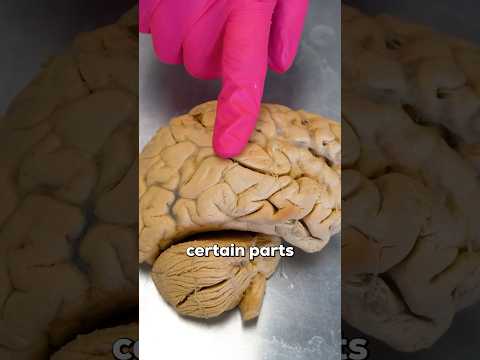
You know those days when you just feel off? Like, everything’s too much, and your brain’s in overdrive? It could be more than just stress.
Hormones play a sneaky role in all this. Seriously, they’re like those backstage guys at a concert—totally crucial, but you don’t see them until something goes wrong.
Ever noticed how your mood swings with your cycle or after a wild night out? That’s your hormones talking. They can mess with your feelings in ways you might not even realize!
So let’s chat about how these little chemical messengers might be throwing anxiety and depression into the mix. It’s really worth digging into!
Understanding the Link Between Female Hormones and Anxiety: Insights for Better Mental Health
Understanding the relationship between female hormones and anxiety is like peeling an onion—there are layers, and some can really make you cry. Let’s break it down together.
Hormones play a huge role in how we feel. It’s not just about physical changes; they can definitely mess with your moods too. For women, hormones fluctuate throughout the month, particularly with menstruation, pregnancy, and menopause. These ups and downs might trigger or worsen anxiety symptoms for some.
So what’s happening here? Well, estrogen and progesterone are the star players. When estrogen levels drop, which often happens right before your period starts or during menopause, anxiety can creep in. This hormone affects neurotransmitters like serotonin—those little guys that help regulate mood. Less estrogen could mean less serotonin happiness. Can you relate to that feeling of being a bit more on edge during those times?
And then there’s progesterone. This one can have a calming effect, but only until it peaks before your period starts—and then it drops off again. Talk about emotional whiplash! It’s like being on a rollercoaster of feelings.
Pregnancy is another key moment. During the first trimester, estrogen and progesterone surge to support the growing baby. Some women feel amazing during this time; others might find their anxiety spikes as their bodies adjust to these hormonal changes.
The postpartum period is critical too. When those hormones drop after childbirth, many women experience what’s called “baby blues,” which can sometimes develop into postpartum depression or heightened anxiety levels. One moment you’re blissfully overwhelmed by a newborn’s cuteness, and the next you’re feeling very lost or anxious.
Menopause brings its own set of challenges as well. With major drops in both estrogen and progesterone levels, many women report increased anxiety and mood swings during this transition. It’s tough! And let’s be real: having hot flashes just adds to the stress!
But here’s a silver lining: understanding this connection between hormones and anxiety isn’t just informative—it also opens doors for better coping strategies! Recognizing that these feelings might be linked to hormonal changes helps you approach your mental health more compassionately.
You could try keeping track of your cycle alongside any mood changes you notice—like a mood diary that might reveal patterns over time. This info could be super handy when talking with a healthcare provider about treatment options!
Also, lifestyle changes like exercise, balanced diets rich in healthy fats (thanks omega-3s!), yoga or mindfulness practices can help stabilize emotions during those pesky hormone fluctuations.
So basically? Being aware of how female hormones influence anxiety doesn’t solve everything but it’s definitely an important piece of the puzzle for better mental health! Embracing this knowledge gives you power over your wellbeing—you got this!
Effective Strategies for Treating Hormonal Depression: A Comprehensive Guide
can really throw a wrench in your life. When we talk about hormonal changes, we’re often looking at stuff like puberty, menstruation, pregnancy, or menopause. And those fluctuations can seriously mess with your mood, making you feel down or really anxious at times.
So, how do we tackle this? There are effective strategies to consider for managing hormonal depression that can make a difference.
- Understand Your Hormones: Knowledge is power. Tracking your cycle might seem tedious, but understanding when your hormones dip or rise can help you anticipate mood swings. You know what triggers those feelings when you keep a journal about your emotional state during different phases.
- Exercise: Seriously! Regular physical activity is like magic for boosting endorphins and balancing hormones. Whether it’s dancing in your room or kicking it at the gym, just getting moving helps clear the mental fog.
- Nutrition: What you eat has a big role in how you feel. Foods rich in omega-3 fatty acids like salmon and walnuts could be your best buddies. And don’t forget about fruits and veggies—those help with overall hormone balance!
- Psychoeducation: Learning about hormonal changes can make them feel less scary. Talk to healthcare providers; they know their stuff and can provide insights that help you cope better.
- Therapy: Speaking of talking, therapy isn’t just for crises! Cognitive-behavioral therapy (CBT) has shown effectiveness in dealing with depressive symptoms related to hormonal changes. A therapist can guide you through strategies tailored to your experiences.
- Medication: Sometimes managing hormones means considering medication options with a doctor’s help. Antidepressants or hormonal treatments might be needed depending on severity.
- Meditation and Mindfulness: These practices are great tools for tuning into yourself without judgment. They help manage stress and improve emotional regulation over time.
You know how some days just feel heavier than others? It’s okay; you’re not alone in that feeling! I had a friend who went through postpartum depression after having her baby—it was tough seeing her struggle through those moods that felt like they were linked to hormone surges.
So yeah—these strategies aren’t one-size-fits-all but experimenting with them might lead you to find some relief from those deep dips caused by hormonal shifts. Listen to yourself as you try different things out; it might take time, but finding what works best is totally worth it!
Understanding How Hormones Impact Depression in Men: The Key Role of Testosterone
Depression isn’t just a mental game; it’s deeply tied to our body chemistry, especially hormones. For men, testosterone plays a significant role in how you feel emotionally. You might not realize it, but fluctuations in this hormone can really mess with your mood.
Testosterone Basics
Testosterone is often seen as the male hormone. It helps with muscle growth, sex drive, and overall energy levels. But what’s super important here is its connection to mental health. When testosterone levels drop—due to aging, health issues, or lifestyle factors—it can lead to feelings of sadness or even depression.
Think about it like this: Imagine you’re always tired and not motivated to do anything you love. That’s kind of what happens when testosterone dips low.
How Does It Work?
So, why does low testosterone lead to depression? Well, there are a few ways this works:
- Brain Chemistry: Testosterone influences the brain’s production of neurotransmitters like serotonin and dopamine. These are crucial for mood regulation.
- Energy Levels: Lower testosterone can cause fatigue and lethargy. Feeling drained can easily lead to feeling down.
- Anxiety Link: Low testosterone doesn’t just bring on depression; it can also ramp up anxiety levels.
Imagine a guy named Mike. He used to be full of life—joking around with friends, hitting the gym regularly. Suddenly, he starts feeling really tired and moody for no apparent reason. After some digging, he discovers his testosterone levels are way lower than they used to be.
The Cycle of Negativity
Now here’s where it gets tricky: Depression itself can lower your testosterone further! This creates a cycle that’s hard to break. When you’re feeling sad or anxious, it might cause you to withdraw from social activities or exercise—which could further decrease testosterone production.
This back-and-forth can feel endless, making it tough for guys like Mike (or anyone else) to regain that spark they once had.
Treatments and Solutions
If someone finds that low testosterone is impacting their mood seriously, there are options out there:
- Lifestyle Changes: Simple things like regular exercise and better nutrition can help boost those levels naturally.
- Therapy: Talking about feelings with a therapist not only helps with depression but might also have positive effects on hormone balance.
- Hormone Replacement Therapy: In some cases, doctors may recommend treatment for low testosterone—if it’s appropriate
But don’t rush into anything without talking it over with a doctor. Everyone’s situation is different!
In wrapping this up—you see how hormones impact emotional states? Honestly, it’s fascinating yet frustrating how our bodies work together in ways we don’t always notice until something feels off.
Understanding these connections is crucial for addressing mental health challenges effectively!
You know, when we think about anxiety and depression, we often jump straight to the psychological stuff—like stress or past experiences. But what gets overlooked sometimes are these little chemical messengers in our bodies called hormones. Seriously, they play a huge role.
I remember a friend of mine who was just always anxious. I mean, like ready to race out of her skin anxious. She tried therapy and all sorts of coping techniques, but nothing seemed to stick. One day, she went to this doctor who said something that changed everything: «Let’s check your hormone levels.» Turns out, her thyroid was underactive, which can totally mess with mood and anxiety levels. After some treatment, she felt like a weight had been lifted.
So here’s the lowdown: hormones regulate way more than we realize. Take cortisol, for instance; it’s often called the stress hormone. When you’re stressed out—think finals week or family drama—your body cranks up cortisol production. If you’re stuck in that high-stress state for too long, elevated cortisol can lead to feelings of anxiety and even contribute to depression.
And then there’s serotonin and dopamine—those feel-good hormones we hear about all the time. If your levels are off balance due to things like hormonal changes during your cycle or even aging, it can seriously impact how you feel emotionally and mentally.
It’s wild to think about how these tiny molecules can have such big effects on our mood! You might notice it more around certain times in life too—like during puberty or menopause—or when you’re dealing with medical conditions that mess with hormone production.
At the end of the day, if you’re battling anxiety or depression and feeling stuck despite trying different therapies or meds, it might be good to look at your hormones too. Your body is talking; sometimes you just have to tune in better!