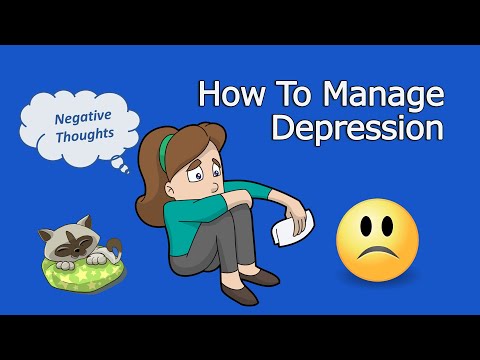
You know, depression can feel like this heavy blanket that just won’t budge. It’s like, one minute you’re fine, and the next you’re in this deep pit of sadness. Seriously, it’s rough.
But here’s the thing: managing it isn’t about some magical cure. It’s a mix of small but effective strategies that can really help you lift that weight off your chest.
So, let’s chat about some ways to get through this together. I promise it won’t be all doom and gloom! It can actually be pretty empowering to find what works for you. Ready? Let’s jump in!
Effective Strategies to Overcome Depression and Combat Overthinking
Feeling stuck in the depths of depression or lost in a whirlpool of overthinking can be tough. It’s like you’re trapped in a fog and can’t figure out which way is up. But don’t worry. There are some strategies that might help you find clearer skies.
First off, let’s talk about routine. Having a daily schedule can create a sense of normalcy when everything else feels chaotic. Even simple things like waking up at the same time, eating meals regularly, and setting aside time for hobbies can make a difference. It’s almost like giving your brain little anchors to hold onto when things start to feel overwhelming.
Another effective method is mindfulness. This means taking a moment to focus on what’s happening right now, instead of getting lost in negative thoughts about the past or future. You might try deep breathing exercises or spend a few minutes meditating. Seriously, just sitting quietly and letting your thoughts drift can be surprisingly refreshing! The goal is to notice your thoughts without judgment.
Connect with others too. Sometimes just talking about what you’re feeling helps clear the fog. Reach out to friends or family members who understand you. Even if it’s just grabbing coffee together or texting back and forth – these interactions can lift your spirits more than you’d expect.
Then there’s physical activity. Look, I know it sounds cliché, but exercise releases those feel-good endorphins that fight depression like little warriors in your brain. Whether it’s going for a walk, hitting the gym, or even dancing in your living room—get that body moving! Find something that makes you smile while doing it.
Don’t forget about writing it down. Keeping a journal helps get all those swirling thoughts out of your head and onto paper where they seem less scary. You could jot down what you’re grateful for each day too; focusing on the positives—even tiny ones—can shift your mindset over time.
Lastly, consider seeking professional help if you’ve been struggling for a while. Therapists have various approaches that can really help combat overthinking and depression—like cognitive behavioral therapy (CBT), which focuses on changing negative thought patterns into healthier ones.
You know what? Recovery isn’t always linear, but that’s alright! It’s okay to have ups and downs along the way; just remember to be kind to yourself during this process.
Effective Self-Help Strategies for Managing Depression Alone
Managing depression can feel like a real uphill battle sometimes, but there are some self-help strategies that you can try out on your own. Seriously, it’s all about finding what works for you and sticking to it. Let’s break down a few methods that might help you feel a bit more in control.
First up, regular exercise. Sounds cliché, right? But there’s a solid reason behind it. When you move your body, even just going for a walk, your brain releases those feel-good chemicals called endorphins. It doesn’t have to be hardcore workouts; just getting outside and moving can lift your mood. You know that feeling when the sun hits your face? That’s no accident!
Mindfulness and meditation are also game changers. This is all about being present and focusing on the “now.” You could try simple breathing exercises or apps that guide you through short meditations. For instance, if you’re feeling overwhelmed by negative thoughts, sitting quietly and focusing on your breath for just a few minutes can create some space in your mind.
Another solid strategy is keeping a journal. Writing down what you’re feeling can be super therapeutic. It helps you process emotions and sort through the muddle of thoughts swirling around in your head. A friend of mine started jotting down three things she was grateful for each day—and surprisingly, it changed how she viewed her life over time.
Creating a shelter of support is also important. While this may sound like reaching out to others, it’s actually more about building connections with people who understand what you’re going through—even if they’re not experts. Maybe it’s friends or family members who listen without judgment.
Don’t forget about a consistent routine. Depression might make everything feel chaotic; having some sort of structure in your day can help combat that feeling of chaos. Like maybe waking up at the same time every day or scheduling regular meal times—these small things add up.
And hey, let’s talk about sleep hygiene. Sleep can get messed up when you’re feeling low, so try to have a calming bedtime routine: no screens an hour before bed! Dim the lights, maybe read something light or listen to relaxing music instead—little changes create big differences.
Lastly, consider *practicing self-compassion*. You might be harder on yourself than you realize. Remind yourself it’s okay to feel how you do; give yourself grace instead of guilt when things don’t go perfectly smoothly.
So yeah, while this journey feels unique to each person battling depression, these self-help strategies could really make an impact—you just got to find which ones resonate with you!
Effective Strategies for Managing Depression and Anxiety on Your Own
Managing depression and anxiety can feel like trying to climb a mountain with no gear. It’s tough, but there are definitely some strategies that can help you scale those heights a bit more easily. You don’t have to do this alone; even just picking up some tools and tips can make a real difference!
1. Prioritize Your Routine
Structure is your friend. When you stick to a regular schedule, it gives your day a sense of purpose. Wake up at the same time every day, eat meals regularly, and set aside time for relaxation or hobbies. Think of it like setting up a framework for your day—you know what’s coming next, which can make everything feel a bit more manageable.
2. Get Moving
Exercise isn’t just about getting fit; it’s also about boosting your mood. Just 30 minutes of moderate activity most days can release those feel-good chemicals in your brain called endorphins. You could go for a brisk walk, dance in your living room, or try out some yoga poses at home—whatever gets you moving!
3. Connect with Others
Hey, isolation is often one of the sneakiest villains in the fight against depression and anxiety. Make an effort to connect with friends or family members—even just sending a text or making a quick call can lighten the load on your heart.
4. Mindfulness and Meditation
Being present can be incredibly grounding when anxiety starts creeping in. Try focusing on your breath for just five minutes—take deep inhales and exhales, letting any racing thoughts float away like clouds. There are great apps out there that guide you through mindfulness exercises too!
5. Limit Social Media Use
Scrolling through social media can sometimes drag you down deeper into comparison traps or negative feelings—so check-in with yourself about how it’s making you feel! If you notice that it’s adding stress or sadness, give yourself permission to take breaks.
.6 Nourish Your Body
What you eat does impact how you feel! Loading up on fresh fruits, veggies, whole grains, and lean proteins fuels both body and mind. This doesn’t mean depriving yourself though—allow treats every now and then!
7. Set Realistic Goals
Take baby steps toward what matters to you but don’t overcommit yourself! Break big tasks into smaller chunks so as not to overwhelm yourself; accomplishing even little things brings boosts of motivation.
.8 Practice Gratitude
Everyday life has its ups and downs but focusing on gratitude helps shift perspective from what we lack towards appreciating what we have (however small). Try writing down three things daily that bring joy—even if they’re simple like having warm coffee!
Sometimes it feels like the clouds are never going away but remember: change takes time—and that’s completely okay! If things get too heavy or overwhelming despite these strategies then seeking professional help is always an option worth exploring too.
So yeah, while managing depression and anxiety by yourself might be challenging, finding little ways to take care of yourself really does add up over time! Just keep going—I believe in you!
Managing depression can feel like trying to climb a mountain with no clear path. Seriously, some days it’s hard just to get out of bed, let alone tackle the big stuff. But let me tell you, there are ways to make that climb a bit easier.
One thing that helps is establishing a routine. I remember when my friend Sarah went through a rough patch. She started small—waking up at the same time every day and making her bed. It might sound silly, but those little wins gave her a sense of accomplishment. Routines provide structure, which can be really grounding when your mind feels all over the place.
Another strategy? Connecting with others. I get it; socializing isn’t always easy when you’re feeling down. But having someone to talk to can make a world of difference. Whether it’s texting a friend or joining an online support group, sharing your experience helps lighten the load. It’s like having someone hold your hand while you navigate the tough stuff.
Let’s not forget about exercise either! Even just going for a short walk can boost your mood like crazy. There’s something about moving your body that releases all those happy chemicals in your brain—serotonin and endorphins doing their dance! I once went on daily walks with my neighbor during her tough times, and honestly, we’d both return home lighter in spirit.
Then there’s mindfulness or meditation. Yeah, it sounds all zen and stuff, but taking just a few minutes each day to breathe deeply and focus on the moment really helps calm racing thoughts. My buddy Jake swears by it, even if he struggles at first to sit still for more than two minutes!
Lastly, don’t underestimate the power of journaling. Writing down thoughts can help you untangle what’s going on in your mind. You know how we often feel like we’re spinning in circles? Sorting through emotions on paper creates clarity.
These strategies aren’t one-size-fits-all—you gotta find what works best for you! And sometimes they take time before you notice any change. That’s okay! Just remember—you’re not alone in this journey within your own mind; there are always people willing to help if you reach out! So take things step by step, and don’t be too hard on yourself along the way; mountains are meant to be climbed slowly but surely!