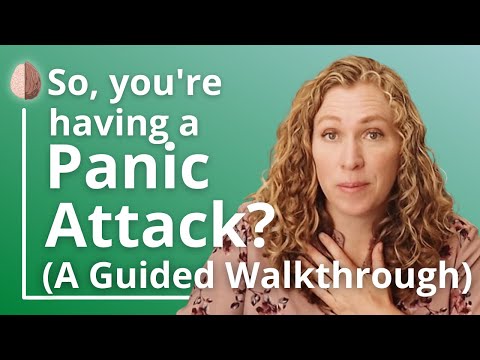
Panic attacks, right? They can hit out of nowhere, and it’s like being swept off your feet. One minute, you’re chilling; the next minute, your heart’s racing, and you feel like you’re losing control.
It’s scary stuff. You might feel like you’re trapped in a bad dream. But here’s the thing: there are ways to help keep those panic attacks at bay.
Seriously! We’ll go over some strategies that can make a real difference. You don’t have to just sit back and let them take over your life. Let’s break it down together, shall we?
Effective Strategies to Prevent Panic Attacks: Your Comprehensive Guide
You may not realize it, but panic attacks can really shake you up. They sneak up when you’re least expecting it, leaving you feeling like you’re losing control. The good news? There are some effective strategies that can help keep those pesky panic attacks at bay.
Understanding Your Triggers is key. Knowing what sets off your panic attacks can make a huge difference. It could be crowded places, stressful situations, or even certain thoughts that pop into your head. Keep a little journal where you note down when these feelings arise and what was going on at the time. This awareness can help you dodge those triggers in the future.
Another strategy is breathing techniques. When panic hits, your breath often becomes shallow and rapid. Practicing deep breathing can help ground you again. Try inhaling slowly through your nose for a count of four, hold it for four, then exhale through your mouth for a count of six or eight. You want to feel your abdomen expand as you breathe in and contract as you breathe out—you follow me? Doing this regularly can calm your nervous system over time.
Mindfulness meditation is also powerful. By focusing on the present moment without judgment, you can create space between yourself and those overwhelming feelings. Even just five minutes of mindfulness each day can make a difference—start with an app or guide to help get into the groove!
Physical activity plays a big role too. Regular exercise releases endorphins—those little mood lifters everyone talks about! Whether it’s running, dancing, or just brisk walking around your neighborhood, getting your body moving helps reduce anxiety levels overall.
Limiting stimulants, like caffeine and nicotine, is another smart move. These things can ramp up heartbeats and increase feelings of anxiety—even if you’re not realizing it’s happening! So maybe swap that coffee for herbal tea sometimes; your future self might thank you.
Also consider talking to someone. Sometimes just sharing what you’re feeling with a friend or therapist makes all the weight feel lighter. They might have insights into patterns that you’re not seeing yourself—just like how my buddy helped me realize that certain social events always left me anxious.
Finally, set realistic goals. If you’re trying to avoid panic attacks altogether—it may feel like climbing Everest! Instead aim for small steps: maybe today you’ll stay calm during that meeting or even chat with someone new at work instead of keeping to yourself.
Incorporating all these strategies takes some practice but remember—you’re not alone in this journey! Gather tools that fit best for you because everyone’s different, right? And while I know it feels overwhelming sometimes, just take it one day at a time—seriously, you’ve got this!
Effective Strategies to Help Someone Calm Their Panic Attack
Panic attacks can feel really overwhelming. You know that moment when someone’s heart starts racing, they’re sweating, and it seems like they can’t catch their breath? It’s not pretty. When you’re trying to help someone through a panic attack, having a few strategies up your sleeve can make all the difference.
Stay Calm
First things first: your energy matters. If you stay calm, it can help them feel more secure. You want to be that steady rock for them. So take a deep breath and try to project that relaxed vibe.
Grounding Techniques
Grounding techniques are super helpful. These are methods that bring someone back to the present moment. Try these:
Reassurance
Sometimes just hearing calm words can ease the storm inside someone’s head. Let them know they’re safe and that this feeling will pass. Simple phrases like “You’re okay” or “I’m here with you” go a long way.
Avoid Overwhelming Them
Don’t bombard them with too much talk or even too many questions while they’re struggling. It’s easy to slip into “What’s wrong?” mode, but that could just add pressure when they’re already feeling chaotic.
Focus on Sensory Input
Sometimes redirecting attention helps a lot with panic attack relief:
Pace Activities
After the worst of it has passed, sometimes movement helps reconnect those scattered nerves back together. A gentle walk outside might do wonders—a little fresh air works wonders on anxious minds!
On a personal note—there was a time when my friend had an intense panic attack at a crowded coffee shop. I remember how shaky he was, but I kept my cool and helped him focus on his breathing while I described what was happening around us—the bright paintings on the walls and the smell of fresh coffee brewing nearby definitely helped bring him back down.
In the end, helping someone calm during a panic attack is about listening and being there for them in whatever way feels right at the moment—for both of you! So remember these strategies next time someone needs your support!
Effective Strategies to Eliminate Panic Attacks for Good
Panic attacks can feel like you’re suddenly trapped in a whirlwind, right? Your heart races, your palms sweat, and you might feel like you’re losing control. Seriously, it’s super tough to deal with. But the good news? There are effective strategies that can help you tackle these panic attacks so they don’t take over your life.
Understanding Panic Attacks is the first step. It’s crucial to know that they’re not harmful physically, even if they feel intense and scary. Panic attacks are basically a response from your brain that thinks there’s danger when there might not be any at all. So, getting familiar with this can make a big difference.
Breathing Techniques are incredibly helpful. When you start to feel that familiar tension creeping in, focus on your breath. Try this: inhale deeply through your nose for four counts, hold for four counts, and then slowly exhale through your mouth for six counts. Doing this a few times can help calm your nervous system down.
Also, grounding exercises work wonders too! They help bring you back to the moment so those panicky feelings don’t spiral out of control. One easy method is the 5-4-3-2-1 technique: name five things you can see around you, four things you can touch, three things you hear, two things you smell, and one thing you taste. This helps shift your focus away from anxiety and onto what’s real right now.
Another important strategy is staying active. Exercise releases endorphins—those feel-good hormones—and helps reduce anxiety overall. Even just going for a walk or dancing to your favorite tunes in the living room can lighten the mood.
Don’t forget about talking it out. Sometimes just sharing how you’re feeling with someone close to you or even a therapist can be super therapeutic! When I was dealing with my own anxiety issues years ago, talking about my experiences helped me realize I wasn’t alone in this.
Avoiding Caffeine and Sugar is another tip that’s often overlooked but really matters! These stimulants can increase anxiety levels and may trigger panic attacks for some people. Consider cutting back on coffee or sugary snacks if you notice they make your heart race more than usual.
And hey—keep a diary. Jotting down what triggers your panic attacks could provide insights into patterns or specific situations that set them off. This awareness lets you prepare or even avoid those triggers when possible.
Lastly, don’t underestimate professional help. Sometimes panic attacks are best managed with therapy options like Cognitive Behavioral Therapy (CBT). A therapist can guide you through identifying negative thought patterns and teach coping strategies tailored just for you.
So there it is—simple yet effective strategies to help knock those panic attacks down for good! It takes time and practice but hang in there; feeling better is totally possible!
You know, panic attacks can really throw a wrench in your day. It’s like you’re cruising along, feeling good, and then suddenly—you’re hit with that wave of anxiety that feels like it’s coming out of nowhere. I remember a time when my friend Jess had one at our favorite coffee shop. One minute she was ordering her usual latte, and the next, she was gripping the table like it was her lifeline. Everyone around her seemed to fade as she focused on controlling her breath.
So, let’s talk about some ways to prevent those pesky panic attacks. You don’t want to live in fear of when another one might strike, right? One effective strategy is getting familiar with your triggers. Some people freak out in crowded places or during stress-filled situations. If you can pinpoint what sets off your anxiety bomb, you can prepare yourself better when those moments pop up.
Another thing that helps a ton is practicing mindfulness or meditation. Sounds super “zen,” right? But seriously, taking even just a few minutes each day to focus on your breathing or just being present can make a world of difference. It helps ground you and reminds you there’s so much more than the racing thoughts in your head.
And hey, regular exercise is not just good for the body; it’s also a game-changer for the mind! Getting those endorphins flowing can really help lighten up that mental load and keep anxiety at bay. Plus, it gives you something positive to focus on instead of dwelling on negative feelings.
But what if you’re in the thick of it? Well, practicing grounding techniques during an attack—like focusing on the things you can see around you or feeling different textures—can pull you back from that overwhelming feeling.
Don’t forget about talking to someone too; whether it’s friends or professionals—sharing what you’re dealing with can lighten your load even if just a bit. After all, no one should have to face this stuff alone.
Just remember: finding what works for you may take some time, but with persistence and support, you’ll get there! I mean, if Jess could learn some strategies after that coffee shop incident—and now handles things way better—you totally can too!