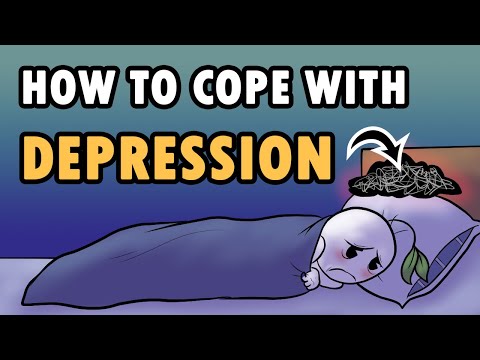
Hey, so let’s talk about depression for a sec. You know, that heavy feeling that just lingers sometimes? It can be a real drag, right?
A lot of people think medication is the only way out. But here’s the thing: there are other paths you can explore. Seriously!
It’s all about finding what works for you. Because, guess what? You’re not alone in this!
Let’s dive into some strategies that go beyond popping pills. They could make a difference in how you’re feeling day-to-day. Sound good?
Effective Calming Techniques to Alleviate Depression: Simple Strategies for Relief
Feeling down can be really tough, and when you’re dealing with depression, it can feel like a heavy fog that just won’t lift. But don’t worry, there are some simple strategies to help you find a bit of relief. Here are some effective calming techniques that can help you cope.
Breathing Exercises
Okay, so deep breathing might sound kinda cliché, but it really works. When you’re feeling overwhelmed, take a moment to focus on your breath. Inhale deeply through your nose for a count of four, hold it for four seconds, and then exhale slowly for another four counts. Do this a few times. It helps calm your nervous system and brings a little clarity to your mind.
Mindfulness Meditation
This one’s all about being present without judgment. Just sit somewhere comfortable and pay attention to your thoughts and feelings without trying to change them. If your mind wanders (which it probably will), gently bring it back to the here and now. Even five minutes of this practice can create space in your mind and ease feelings of sadness.
Physical Activity
I know, exercising might not seem appealing when you’re feeling low, but moving your body releases endorphins—those little feel-good chemicals! You don’t have to hit the gym hard; even taking a stroll around the block or doing some yoga at home can make a difference. It’s like giving yourself a natural mood boost.
Nourishing Your Body
What you eat has more impact than you think! Try including more whole foods like fruits, veggies, whole grains, and lean proteins in your diet. These foods can affect neurotransmitter function—basically how your brain communicates. So think about fueling yourself with good stuff!
Connect with Others
Sometimes just talking about what you’re going through can be super helpful. Reach out to friends or family members who understand you. Sometimes sharing how you’re feeling or even just laughing about nothing at all can be like medicine for the soul.
Create Something
Engaging in creative activities can serve as an outlet for emotions that words can’t always express—even if you’re not an artist! Try doodling, writing in a journal (it doesn’t have to be fancy), or playing music if that’s your jam. It’s all about finding joy in creating something unique.
Set Small Goals
When depression hits hard, getting out of bed might feel like climbing Mount Everest! Set small daily goals to give yourself something achievable—like taking a shower or making breakfast. Celebrate those small wins; they add up over time!
Aromatherapy
Scents carry powerful effects on our emotions! Essential oils like lavender or chamomile are known for their calming properties. You could use an oil diffuser or even just dab some on your wrists before bed; it creates an atmosphere that promotes relaxation.
So there you go! These techniques might not eliminate depression entirely but they can help provide some relief on tough days. Remember though: everyone’s journey is different; what helps one person may not work for another. Take care of yourself along the way!
Exploring Effective Non-Pharmaceutical Approaches to Overcome Depression
Feeling down or just plain blah? You’re not alone. Many people face depression, and while medication can help some, there are other ways to tackle it that don’t involve popping pills. So what can you do? Let’s break it down into some effective strategies that might help you feel better.
1. Talk It Out
Talking to someone about how you’re feeling can seriously lighten the load. Whether it’s a trusted friend, family member, or a therapist, sharing your thoughts helps you process them. It’s like taking your feelings out of your pocket and letting them breathe.
2. Get Moving
Exercise is more than just a way to stay fit; it’s a natural mood booster. Even just a brisk walk around the block can clear your head and make you feel more connected to the world around you. I remember when my buddy was going through a tough time and he started jogging every morning—it didn’t solve everything, but it definitely helped him feel less trapped in his own mind.
3. Mindfulness and Meditation
This stuff isn’t just for yoga enthusiasts; practicing mindfulness or meditation can reduce stress and promote emotional health. Even five minutes of focused breathing can help calm your racing thoughts and bring you back to the moment.
4. Connect with Nature
Spending time outdoors can be incredibly healing. Nature has this amazing way of putting things into perspective. A weekend hike or just sitting in a park can recharge your batteries and remind you of life’s simple pleasures.
5. Structure Your Day
Create a routine, even if it’s super simple! Having a daily schedule adds structure to your life which helps manage feelings of chaos often associated with depression. Plus, ticking off tasks—no matter how small—can give you that little boost of achievement.
6. Healthy Eating
You ever noticed how junk food makes you feel sluggish? Nutrition plays a key role in mental health too! Eating balanced meals with plenty of fruits, veggies, whole grains, and proteins keeps your body and mind fueled properly.
7. Engage in Hobbies
Dive back into activities that spark joy for ya! Whether it’s painting, playing an instrument, or gardening—whatever makes you lose track of time might lift your spirits too!
8. Limit Alcohol and Caffeine
This might be tough because we often turn to these substances for a quick fix—but they can mess with your mood big time! Reducing intake could lead to more stable emotions throughout the day.
9. Volunteer Work
You know what feels great? Helping others! Getting involved in community service or charity works not only benefits those around you but also brings purpose into your own life.
Your Journey Matters
The journey through depression isn’t always easy; some days are tougher than others—but remember: there are multiple paths out there besides medication that might just lead you toward feeling better.
If one approach doesn’t click right away, don’t sweat it—try another until something resonates with ya! It’s all about finding what works best for YOU.
Effective Strategies to Overcome Depression and Stop Overthinking
Overcoming depression and that pesky habit of overthinking can feel like an uphill battle, right? You’re not alone in feeling bogged down by it all. The thing is, there are effective strategies you can try that go beyond just medication. And hey, they might really help clear your mind.
1. Stay Active: Movement is key! When you’re feeling low, hitting the gym or even just going for a walk can work wonders. One of my friends started jogging a few times a week. At first, it was a struggle to get out the door, but soon enough, she found herself feeling more energized. Seriously! It’s like a natural mood booster.
2. Connect with Others: Isolation can make everything feel heavier. Try chatting with friends or family—people who lift you up or even just understand what you’re going through. Even a simple text or call can make a huge difference in how you feel about things.
3. Mindfulness and Meditation: This one’s all about being present. You know how sometimes your mind races with thoughts of the past or worries about the future? Mindfulness helps you focus on right now instead of spiraling into “what if” scenarios. Try apps or guided meditations to get started; they can be really soothing.
4. Journal Your Thoughts: Writing down how you feel is cathartic. It doesn’t have to be fancy—just grab a notebook and let it flow! You might start noticing patterns in your thoughts that need addressing, kind of like shedding light on shadows in your mind.
5. Set Small Goals: When depression hits, even getting out of bed feels monumental some days. Break down tasks into tiny steps; maybe start with making your bed or prepping a healthy snack—small wins matter more than you think!
6. Limit Screen Time: Seriously, scrolling endlessly through social media while feeling down isn’t doing anyone any favors! Try to take breaks from screens; redirect that time into something creative or enjoyable instead, like painting or cooking.
7. Explore Creative Outlets: Engaging in hobbies can be incredibly therapeutic! Whether it’s painting, playing music, or DIY projects at home—find something that lets your soul express itself without judgment.
8. Reach Out for Help: If things still feel heavy despite trying these strategies, don’t hesitate to talk to a professional therapist or counselor—they’re trained to help guide you through the tough spots and provide support tailored to your needs.
You’ve got this! Remember that healing takes time and isn’t linear; some days will be harder than others but taking baby steps counts for so much more than perfection.
Coping with depression can feel like navigating a maze blindfolded. You know there’s a way out, but it’s tough to see through the fog. I remember talking to a friend once—I’ll call her Sarah—who found herself stuck in that dark place. She felt weighed down by everything; some days just getting out of bed felt like lifting a mountain. Medication helped her, sure, but she wanted something more. Something that would help her reclaim her life.
So, let’s chat about some strategies that really made a difference for her and could maybe help you too.
First off, let me say physical activity doesn’t have to mean hitting the gym for hours. Sometimes, it’s as simple as taking a walk around the block or dancing around your living room when your favorite song comes on. It gets those happy little endorphins flowing, and it can lift your mood—often without you even realizing what’s happening.
Then there’s the power of connection. Like seriously! Consider reaching out to someone—a friend or family member—who gets what you’re going through and can lend an ear when you need it most. Talking things out can bring relief and remind you that you’re not alone in this battle. That was huge for Sarah; just being able to chat about how she was feeling made her realize there were people who cared.
Mindfulness is another tool worth considering. No need to sit cross-legged chanting mantras unless that’s your thing! Simply focusing on your breath or being present in the moment can do wonders to quiet those racing thoughts. I remember Sarah started a gratitude journal; she’d jot down three things she was thankful for each day—even if they were tiny, like enjoying her morning coffee.
And let’s not underestimate the power of routine! Depression often thrives in chaos and unpredictability, so creating some structure in your day can be a game changer. Even something as simple as setting regular meal times or having a designated bedtime helps—it makes things feel more manageable when everything else seems overwhelming.
It may sound cliché, but self-care matters too—whether that’s taking time for hobbies you love or indulging in long baths with good books (seriously underrated!). These moments remind us that we deserve joy in our lives—even amidst the darkness.
Coping with depression isn’t linear; some days will be harder than others—it just is what it is. Allow yourself grace on those days when everything feels heavy again. But remember this: seeking help and finding ways to cope beyond medication is possible! You don’t have to tackle everything at once; take baby steps toward healing.
I hope this resonates somewhere within you because trust me—there’s light at the end of that tunnel! Keep pushing forward—you’ve got this!