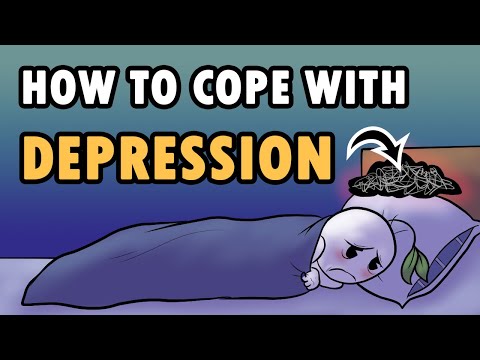
Hey, so let’s talk about something that’s probably hit us all at some point—depression and anxiety. You know, those days when you just can’t shake off the weight on your chest? Yeah, I’ve been there too.
It can feel like you’re treading water, trying to keep your head up while the waves keep crashing down. Totally exhausting, right? But here’s the thing: there are ways to cope with this stuff that don’t involve just waiting it out.
Seriously, psychological strategies can really help. We’re talking about simple stuff you can do to shift your mindset and make things bearable. It’s not about magic solutions or pretending everything’s fine; it’s about finding tools that work for you.
So, if you’re looking for some real talk on handling those heavy feelings and making sense of it all, stick around. Let’s dive in and figure this out together!
Effective Strategies to Overcome Depression and Break Free from Overthinking
Alright, let’s talk about depression and that pesky habit of overthinking. Both can feel like a heavy backpack you just can’t set down. But there are some effective ways to lighten that load.
First off, understanding your feelings is key. When you’re feeling down or stuck in your head, it’s super important to acknowledge those emotions instead of brushing them off. Think about it—how often do you tell yourself to “just get over it”? That doesn’t help, right? So, give yourself permission to feel what you feel.
Next up is structured routines. Creating a daily schedule can really give your day a sense of purpose and stability. You might think this sounds boring, but trust me, having something like a morning coffee ritual can provide the little joys that pull you through tough days.
- Practice mindfulness: This one’s huge! Mindfulness helps you stay present and reduces overthinking. You could try deep breathing exercises or even just focus on the sensations of the world around you for a few minutes.
- Engage in physical activity: I know it might be the last thing on your mind when you’re feeling low, but exercise releases endorphins—those little guys boost your mood! A simple walk around the block can do wonders for clearing out mental clutter.
- Simplify decisions: Overthinking thrives on choice overload. By limiting options—like sticking to two cereal choices instead of ten—you can save energy for things that matter more.
- Connect with others: Isolation feeds both depression and overthinking. Chatting with a friend or family member—even if it feels tough—can bring perspective and support. Maybe share a good meal or go see a movie together!
- Your thoughts aren’t facts: When those negative thoughts creep in, remind yourself they’re not always true! Challenge them by thinking about counter-evidence—like moments when you did well or felt happy.
If journaling works for you, grab a notebook and spill out whatever’s on your mind. Writing helps get all those swirling thoughts out of your head and onto paper where they’re easier to handle. It’s kind of like decluttering your brain!
You might also want to explore a therapist. Seriously! They’re trained to help navigate these waters and can offer techniques tailored just for you. Having someone listen without judgment makes a world of difference.
The point is this: overcoming depression and breaking free from overthinking takes time—it’s not an overnight thing—but small steps add up! Celebrate every little win along the way because they matter too.
No one has everything figured out, but embracing these strategies can create brighter days ahead! Remember, it’s okay to ask for help when needed; reaching out is part of taking care of yourself!
Effective Coping Strategies for Managing Depression: A Comprehensive Guide
Managing depression can feel like you’re stuck in a dark room with no way out. It’s heavy, exhausting, and let’s be real, sometimes you just don’t feel like doing anything. But there are strategies that can help lift that weight, making it easier to navigate through those tough times. Here are some effective coping strategies that might just make a difference for you.
Stay Connected
Isolation can deepen feelings of sadness. So, reach out to friends or family—even if it’s just to watch a movie together or chat over coffee. You don’t need to talk about how you’re feeling all the time; just being around others can be uplifting. Maybe think of that friend who lights up the room? Yeah, those moments matter.
Establish a Routine
Creating a daily routine can provide structure when everything else feels chaotic. Even small things count! Like setting a time for waking up, eating meals, and winding down at night can give you something to hold onto. I remember one person I knew started by making their bed every morning; it gave them that sense of accomplishment to build on throughout the day.
Physical Activity
You might not feel like moving much when you’re down, but exercise releases those feel-good chemicals called endorphins. Seriously! Even a 10-minute walk outside could ease some stress and boost your mood. Think about how amazing it feels when you finish a workout—like you’ve conquered something, right?
Meditation and Mindfulness
Practicing mindfulness helps bring your attention back to the present moment instead of getting lost in negative thoughts. There are plenty of apps out there with guided meditations if you’re unsure where to start. Try focusing on your breath for just five minutes—you might find your mind calming down a bit more than you thought.
Avoid Alcohol and Drugs
It might seem tempting to use substances as an escape, but they often amplify feelings of depression in the long run. It’s confusing because they may offer temporary relief but then lead back into that dark space later on.
Pursue Hobbies or Interests
Dive back into things you love—paint, write poetry, or even get lost in books. Hobbies aren’t just distractions; they can also serve as outlets for self-expression and creativity when you’re feeling low.
Seek Professional Help
Sometimes talking things through with someone trained—like a therapist—can really help put things into perspective. Therapists can teach specific coping techniques tailored just for you and help explore any underlying issues too.
Practice Gratitude
Writing down even three things each day that you’re grateful for can shift your focus from what’s wrong to what’s good in life—even the small stuff counts! Maybe it’s enjoying your favorite snack or having sunshine through your window; these little victories add up.
These coping strategies aren’t one-size-fits-all—you have to find what works best for you and sometimes mix them up based on what feels right at the moment. And remember: it’s completely okay not to have it all figured out right away; taking small steps is still progress!
Effective Strategies for Managing Depression and Anxiety on Your Own
Sure thing! Let’s talk about managing depression and anxiety on your own. You know, those feelings can really weigh you down, but there are some effective strategies you can use to help yourself feel better.
First off, acknowledging your feelings is super important. It’s okay to feel what you’re feeling! Sometimes just admitting that you’re struggling can take a load off your chest. Like, I remember talking to a friend who felt guilty for being sad when things seemed fine on the outside. But it’s crucial to accept those emotions without judgment.
Next up: regular exercise can be a game changer. Seriously! When you move your body, it releases endorphins—those “feel-good” hormones. You don’t have to run marathons; even a quick walk can do wonders for your mood. I once had a rough week and decided to take walks around my neighborhood. It really helped clear my head!
Then there’s mindfulness and meditation. This might sound all zen and stuff, but it’s seriously helpful. Taking just a few minutes each day to focus on your breath or practice gratitude can shift your mindset over time. You don’t have to sit in silence for hours either! A simple five-minute session can make a difference.
Another handy tool is staying connected with others. Isolation can amplify feelings of anxiety and depression, so reach out! Call or text a friend, or even join an online group that shares similar interests. One of my close friends once told me how talking about her issues with her book club members helped her feel less alone.
Journaling is also quite the underrated strategy. Putting pen to paper allows you to express thoughts that might be hard to say out loud. It gives you clarity too! I’ve kept journals where I just pour out whatever comes to mind—no rules or structure needed—and it totally helps me process emotions.
Don’t forget about setting small goals. Sometimes just getting out of bed feels like climbing a mountain when you’re down in the dumps. So, try breaking tasks into smaller bits—like making your bed first instead of stressing over cleaning the whole house at once!
And here’s something crucial: creating a routine. Our minds crave structure, especially during tougher times. Try establishing daily habits that ground you—maybe having coffee at the same time every day or planning regular meals.
Finally, let’s mention limiting screen time. News and social media often bring more stress than they relieve! Take breaks from screens when you’re feeling overwhelmed; you’ll probably find yourself feeling lighter afterwards.
These strategies aren’t one-size-fits-all; pick what resonates with you and adapt them as needed! Remember that managing depression and anxiety takes time—it’s not an overnight fix—but every little step counts toward feeling better in the long run!
So, let’s talk about coping with depression and anxiety. Seriously, it can feel like you’re stuck in a never-ending loop of gloom and worry, right? I remember a time when I was just overthinking everything—like, what if I tripped on my way to the coffee shop? Or if I said something dumb during a conversation? It was exhausting!
But the thing is, there are some psychological strategies that can help break that cycle. For instance, have you ever tried mindfulness? It’s like taking a step back and really checking in with yourself. Picture sitting quietly for a moment and just focusing on your breath. You know how when you’re stressed or anxious, everything feels jumbled? Mindfulness helps clear that clutter. It’s all about being present.
Another powerful tool is cognitive behavioral therapy (CBT). Basically, it teaches you to recognize those pesky negative thoughts that keep creeping in. You might be thinking something like, “I’ll never get through this.” But CBT helps flip that script to something more constructive. So instead of “never,” you could think “I can take it one day at a time.” Little shifts like that can make such a big difference.
And don’t underestimate the power of talking things out! Sometimes just venting to a friend can lift such a weight off your shoulders. Like when I called up my buddy after a rough week filled with anxiety—just unloading all those crazy thoughts felt so freeing! It reminded me that I’m not alone in this; we all have our ups and downs.
Also, let’s not forget the simple act of moving your body! Exercise doesn’t have to mean hitting the gym hard every day. Even going for a walk or dancing around your living room can release those feel-good chemicals we all need. Seriously, who doesn’t feel better after jamming out to their favorite tunes?
So yeah, while coping with depression and anxiety isn’t always easy—and some days might really suck—finding strategies that resonate with you can help lighten the load. Just remember: it’s totally okay to seek help and lean on others when you need it!