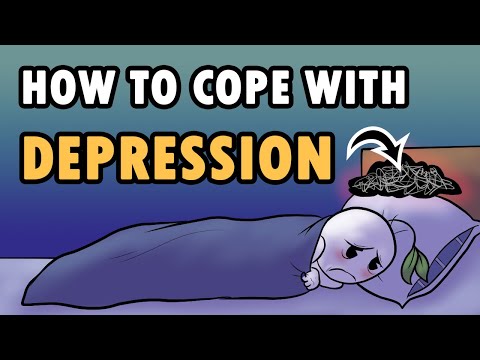
You know those days when getting outta bed feels like climbing a mountain? Yeah, I’ve been there.
Depression can feel like this heavy blanket. It wraps around you, making everything seem dull and exhausting. And the thought of taking medication? Well, not everyone’s into that.
So what do you do if you want to fight back but don’t wanna go the pill route? There are some solid coping strategies out there that can really help you out.
Let’s break it down together, okay? It’s all about finding what vibes with you and makes life a little brighter, one step at a time.
Effective Natural Strategies for Treating Depression Without Medication
It’s rough when you’re feeling down, and the thought of medication isn’t your thing. Or maybe you’ve tried it and didn’t feel it worked for you. So, what can you do? There are some effective natural strategies that might help! Let’s break them down.
Exercise is a game-changer. When you move your body, even just a brisk walk, it releases those feel-good chemicals called endorphins. Seriously, a little bit of movement can lift your mood. Maybe start small—15 to 20 minutes—and see how you feel afterward.
Another solid option is mindfulness meditation. I know, sounds fancy, but it’s just about being present in the moment without judgment. You know that feeling when you’re just kind of zoning out but not really focusing on anything? Well, turning that into something purposeful can help clear your mind and reduce anxiety. Try apps or guided sessions if you’re not sure where to start.
Journaling is also worth a shot! Writing down your thoughts can help you process what you’re feeling. It’s like having a conversation with yourself but on paper. You might discover patterns in what’s bothering you or even articulate things you’ve been holding inside.
Don’t underestimate the power of social connections. Reach out to friends or family—just talk about life or maybe watch a movie together. Sometimes sharing even the smallest of worries can lighten that emotional load.
Then there’s diet, which plays a big role too! Eating well-balanced meals—not just junk food—can positively impact how you feel mentally. Foods rich in omega-3 fatty acids like fish or walnuts, along with plenty of fruits and veggies, can boost brain health. Seriously, good food = good mood!
Also, consider getting enough sleep. Sleep deprivation really messes with us emotionally—you might get irritable or overly sensitive when tired. Try keeping a regular sleep schedule to help stabilize your mood.
Aromatherapy might sound like something from a wellness catalog, but certain scents can influence how we feel emotionally too! Essential oils like lavender or peppermint could create a calming atmosphere at home.
Lastly—this one’s huge—try incorporating some nature exposure. Nature has this vibe that calms us down and lifts our spirits. Whether it’s hiking in the woods or just chilling at a park for an hour, being outside does wonders for our mental state.
So yeah, these strategies aren’t magic fixes but they could make things easier to handle over time. Give them a try and see what sticks for you! Remember: healing takes time and it’s okay to ask for more support along the way if needed.
Empower Yourself: Effective Strategies for Managing Depression Alone
Feeling down? You’re not alone. Many people experience depression at some point in their lives, and managing it, especially without medication, can seem overwhelming. But hey, you can empower yourself with some strategies that could help you navigate through those tough days.
1. Connect with Yourself – Start by paying attention to your feelings. It’s like having a heart-to-heart with yourself. Journaling can be super helpful here. Just grab a notebook and write down what you’re feeling, even if it’s just scribbles or doodles. This little act might help you sort through what’s bugging you.
2. Build a Routine – Ever notice how days can blend together when you’re feeling down? Establishing a daily routine can give your day some structure. Try to wake up at the same time every day, eat regular meals, and carve out time for rest. It doesn’t have to be rigid; just something that brings a sense of normalcy.
3. Move Your Body – Exercise can be a game changer! You don’t have to hit the gym for hours—just take a walk around your neighborhood or try stretching in your living room. Even dancing around while cleaning counts! Movement releases those feel-good chemicals called endorphins, which really do lift your mood.
4. Mindfulness and Breathing Exercises – When stress hits hard, practicing mindfulness or deep breathing can ground you. Find a quiet spot, close your eyes, and focus on your breath for a few minutes. Inhale slowly through your nose and exhale through your mouth—like you’re blowing out birthday candles! This can help calm racing thoughts.
5. Reach Out for Support – It’s okay to talk about what you’re going through—you don’t have to do everything alone! Whether it’s friends, family members, or online communities, sharing how you’re feeling might lighten the emotional load on your shoulders.
6. Set Small Goals – Sometimes big goals feel too heavy to tackle when you’re dealing with depression; that’s totally understandable! Break tasks into tiny pieces instead of thinking about everything at once—for example, aim to clean one room or read one chapter of a book each day.
7. Limit Social Media Use – Scrolling through social media when you’re feeling low can drop you even lower sometimes—it’s easy to compare yourself to others who seem “perfect.” Set boundaries on your screen time; maybe limit apps that make you feel bad about yourself.
8. Engage in Hobbies – Do things that make you happy or spark joy! Dive back into hobbies you’ve enjoyed before—whether it’s painting, cooking new recipes, or gardening—even if it feels hard at first! Doing something creative might just pull you out of that funk bit by bit.
Your journey with depression is personal; there’s no one-size-fits-all solution here—and it’s totally okay if some strategies work better than others for you! Remember: taking little steps is still progress too.
If things start feeling too heavy again and these strategies aren’t cutting it anymore? It’s perfectly fine to seek professional help when needed—you deserve support!
Effective Strategies to Overcome Depression and Combat Overthinking
Dealing with depression and overthinking can be like trying to swim upstream in a river. It’s tough, and sometimes you just want to float. So, if you’re looking for ways to tackle these feelings without relying on medication, here are some effective strategies that might help.
- Mindfulness: Practicing mindfulness is all about being present. It helps you focus on the here and now instead of spiraling into negative thoughts. Try simple breathing exercises or meditation. Just five minutes a day can shift your mindset.
- Physical Activity: Getting your body moving releases those feel-good chemicals called endorphins. You don’t have to hit the gym for this—go for a walk, dance in your living room, or even try some yoga at home.
- Journaling: Writing down your thoughts can be super therapeutic. It gives you a chance to get everything out of your head and onto paper. Plus, it helps you spot patterns in your thinking that might need addressing.
- Social Connections: Spending time with friends or family can lift your spirits. You know how talking things out often makes them feel lighter? Well, it works! Just chatting over coffee or hanging out can bring comfort when you’re feeling low.
- Healthy Eating: Nutrition plays a role in how we feel. Focus on foods that nourish your body—like fruits, vegetables, whole grains—rather than reaching for junk food every time you’re feeling down.
- Avoiding Overstimulation: Sometimes too much information can overload your brain and fuel overthinking. Limit screen time and take breaks from social media if it’s making you anxious.
You know, I once had a friend who felt trapped in her own mind due to constant overthinking. She started journaling her thoughts every night before bed—just like letting steam out of a pressure cooker! Over time, she found clarity and peace through writing her feelings down.
The thing is, tackling depression and overthinking isn’t about finding one magical solution but rather mixing different strategies together until you find what works best for you. Everyone’s journey looks different! Keep experimenting until something clicks; you’ll figure it out as you go along.
If ever it feels too overwhelming or tough, don’t hesitate to reach out for professional help—you deserve support as much as anyone else!
You know, dealing with depression can feel like you’re stuck in this heavy fog that just won’t lift. Sometimes, it’s like you’re wandering around without a map, trying to find a way out. And while medication can help a lot of people, it isn’t the only way to cope with those feelings. Seriously, there are so many strategies that can be really effective without relying on pills.
First off, let me say, finding what works for you can be a bit of a journey. Maybe you’ll have some hit-or-miss moments along the way—and that’s totally okay! There was a time when I felt trapped in my own head. I didn’t want to take medication because I didn’t like the idea of altering my brain chemistry too much. Instead, I started experimenting with different coping strategies.
One of the biggest things for me was getting outside more often. I mean, just stepping into the sunlight or feeling the breeze on my face can make such a difference! Nature has this incredible way of calming us down and boosting our mood, even if it feels tough to get out at first. Like one time—I remember dragging myself outside when I was in a funk; I ended up taking a long walk and practically stumbled across this beautiful park filled with flowers blooming everywhere. It felt like being wrapped in warmth after being cold for too long.
Another thing that really helped was finding creative outlets. Whether it’s painting, writing, or even just doodling, letting your emotions flow onto paper can be freeing! Once again from my own experience: I started journaling during darker days—just pouring out whatever was on my mind—and wow, it felt so liberating! Sometimes just putting feelings into words made them feel less daunting.
Don’t underestimate the power of connection either. Reaching out to friends or family—even if it’s just for small talk—shows you that you’re not alone in this fight against depression. You might feel like curling up in bed and shutting everyone out (I’ve definitely been there), but really leaning on your support system is important.
And hey, mindfulness practices like meditation or yoga? They may sound all “woo-woo” at first but give ‘em a shot! Even if it’s as simple as focusing on your breath for five minutes daily—or following an online class—it’s amazing how grounding it can be.
The thing is—finding ways to cope isn’t about fixing yourself right away; it’s more about learning how to manage those waves as they come crashing down on you sometimes. It’s about being gentle with yourself through the ups and downs and understanding that each step counts—even if some are smaller than others.
So yeah, coping with depression without medication is totally doable; it often requires patience and self-exploration—like figuring out which tools work best for your own unique situation. Just remember: you’re not alone in this struggle; many have walked similar paths and found their light again!