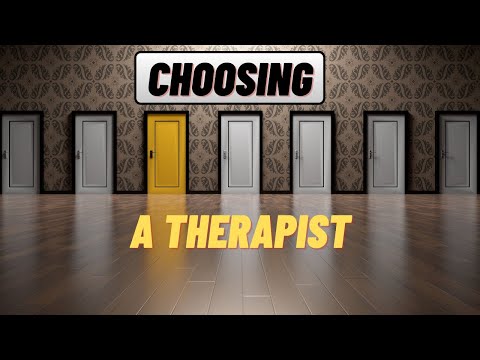
So, you’re thinking about therapy? That’s awesome! Seriously, it takes guts to even consider it.
But here’s the thing: finding the right therapist can feel like dating. Yeah, you heard me right! You might have to swipe left a few times before finding “the one.”
It’s not just about credentials or fancy degrees. It’s about connecting with someone who gets you. Someone you feel comfortable spilling your guts to—like over coffee, but with fewer lattes and more feelings involved.
Let’s chat about what to look for and how to make that journey less overwhelming. Trust me, it’ll be worth it!
Understanding the 3-Month Rule in Mental Health: Key Insights and Benefits
The 3-month rule in mental health can feel a bit abstract at first, but it’s all about giving yourself time to truly find the right fit in therapy. Basically, it’s about investing enough time to see if the therapeutic relationship works or not.
When you start seeing a new therapist, it’s easy to have high hopes right off the bat. But sometimes, things just don’t click immediately. The 3-month rule suggests that you give it some time—like around three months—to really feel things out. This helps because the first few sessions often involve getting to know each other and going over your history. So, it might take a little while before you’re diving into deeper stuff.
Key insights from this rule include:
- Building a connection: The therapeutic relationship is super important. Over time, you’ll get more comfortable sharing and exploring your thoughts and feelings.
- Assessing progress: After three months, you can better judge if therapy is helpful or if you’re spinning your wheels. You can reflect on what you’ve learned and how you’re feeling.
- Adjusting goals: It’s normal for your goals or needs to evolve as you go along. Giving it that time helps clarify what you want from therapy.
Think of it this way: imagine starting a new job. You wouldn’t expect to be an expert after just one day, right? You’d need some time to figure out how everything works and how you fit in.
Another point worth mentioning is not every therapist will feel like “the one” right away. I’ve heard stories from friends who switched therapists after realizing they needed someone with a different approach or style. Maybe they clicked with one who used more mindfulness techniques rather than traditional talk therapy.
The benefits of following this guideline can be quite significant:
- Decreased pressure: Knowing that you’re giving it three months takes off some pressure both for you and your therapist.
- A chance for growth: As both of you get familiar with each other, magic can happen! You might find yourself opening up more as trust builds.
- A clearer perspective: After three months, it’s easier to evaluate whether you’re on the right path or if it’s time to try something different.
Real talk: change doesn’t happen overnight in therapy; it’s a journey with ups and downs. You probably don’t want to jump ship too quickly out of frustration or impatience.
So remember this rule when you’re navigating your mental health journey—kind of like giving that new plant enough water and sunlight before deciding if it’s thriving or not! It’s all part of finding someone who resonates with where you’re at in life and can walk alongside you through it all.
Discover Your Perfect Match: Take Our Quiz to Find the Right Therapist for You
Finding the right therapist can feel like dating sometimes. You know, swiping left or right on that mental health journey? It’s important to find someone who vibes with you, understands your struggles, and helps you feel safe. Let’s break down how to discover your perfect match by taking a quiz and why this can be a game-changer in your search.
First off, what does “finding the right therapist” even mean? Not every therapist is going to click with you. Just because someone is super qualified doesn’t guarantee they’re the right fit. You need someone whose style resonates with your needs and feelings.
When you take a quiz about choosing a therapist, it’s like answering some personal questions that help narrow down the search. Think about it—what’s your main concern? Do you want someone who specializes in anxiety or depression? Maybe trauma is your thing, or you’re just looking for guidance through life changes. This first part of the quiz helps filter out therapists who might not be aligned with what you’re dealing with.
Then there are those pesky personal preferences. Do you prefer talking to a woman or a man? And what age range do you feel most comfortable with: younger, older, or does that not matter? Some people find it easier to open up to someone closer to their age because they might understand cultural references better, or they just feel more relatable.
Next up is therapy style. Some therapists use more traditional methods like talk therapy while others might integrate art or music into sessions. So when filling out that quiz, think about if you’re looking for something structured or if you’re more of an open-ended conversationalist who likes to see where things go in each session—feels more organic that way!
Another important aspect is availability and location. Are you hoping for in-person sessions or are virtual options cool for you? And how often do you think you’d want to meet? Sometimes therapists are really flexible but specializations might come into play; some work only certain hours. It could really help if your schedule aligns well.
Now let’s not forget about cost! Therapy can get pricey pretty fast. Your quiz will probably touch on insurance options too. Not every therapist accepts every insurance plan or payment method; some offer sliding scale fees based on income which could make things easier on your wallet.
Finally, once you’ve taken the quiz, it’s time to look at those results! You’ll have a list of matching therapists tailored just for you based on all those little details we talked about earlier. Don’t hesitate; reach out for consultations! Most therapists offer an initial meet-and-greet so both sides can see if it’s a good match without jumping into anything too serious.
Remember this journey is personal and unique to each individual—you deserve someone who supports you wholeheartedly through thick and thin. So go ahead! Take that quiz when you’re ready; it might lead you straight toward finding the right person for your mental health journey!
5 Essential Tips for Finding an Insurance-Covered Therapist Near You
Finding the right therapist can feel a bit like searching for a needle in a haystack, especially when you want to make sure they’re covered by your insurance. So, let’s break it down into some simple steps.
Start with Your Insurance Provider. Your first move should be logging into your insurance provider’s website or calling their customer service. Most insurers have a dedicated section for mental health services. You’ll be able to see which therapists are in your network, meaning they accept your insurance. It’s super important because going out of network can really rack up those bills.
Use Online Directories. Websites like Psychology Today or GoodTherapy have search functions where you can filter by insurance, location, and specialty. This makes it much easier to find someone who fits your needs and is also covered by your plan. Just remember, not all therapists might update their information regularly, so double-check the coverage before you book that appointment.
Ask for Recommendations. This might feel awkward, but reaching out to friends or family members can be very helpful. They might know someone great and even tell you about their experiences (the good, the bad, and the ugly). If they had positive experiences with a therapist who’s in-network, that’s valuable info right there!
Contact Potential Therapists Directly. Once you’ve got a list of potential therapists from your research, give them a call. Seriously! Ask if they accept your insurance directly and if they have availability for new clients. This also helps you get a feel for how they communicate—do they sound friendly? Is it easy to talk to them? That vibe matters!
Consider Sliding Scale Options. If you’re finding that even in-network options are too pricey or if you’re hitting dead ends with coverage, look into therapists that offer sliding scale fees based on income. Some clinicians are willing to work with you on costs even if they’re not strictly insurance-covered; just be upfront about what you can afford.
So yeah, finding an insurance-covered therapist doesn’t have to be such a hassle! With some patience and these tips in mind, you’ll be on your path towards better mental health before you know it.
Finding the right therapist can feel like searching for a needle in a haystack, you know? It’s not just about picking someone with the right credentials or the coolest office decor. It’s personal. When I was looking for my first therapist, I felt completely lost. I had no idea what I needed, and honestly, I was kinda nervous about opening up to a stranger.
So, here’s the thing: connection matters. You want someone who gets you, or at least tries to understand where you’re coming from. When I finally met my therapist after a few false starts with others, it was different. I could breathe easier right away. We clicked! She asked questions that made me think but never pressured me into anything uncomfortable. It felt safe, like talking to an old friend who somehow had a PhD.
You might have thoughts running through your head like, “What if they don’t understand me?” or “What if they judge me?” That’s totally normal! But remember that therapists are trained to listen without judgment. They’re here to help you sort through all that mental clutter we all carry around.
Sometimes it takes meeting a couple of folks before finding that right match—don’t get discouraged! Trust your gut feeling; if something feels off on that first call or session, it’s okay to move on. And hey, it’s also perfectly fine to ask questions during your first chat! You might want to know what their approach is or how they handle issues similar to yours.
And don’t forget about logistics…like insurance and location! Life happens outside of therapy too; getting there shouldn’t feel like an Olympic event every week.
Finding the right therapist isn’t just a box check on your mental health checklist; it’s part of your journey toward feeling better and learning more about yourself. So take your time, be kind to yourself in this process, and remember – you deserve support that truly resonates with you!