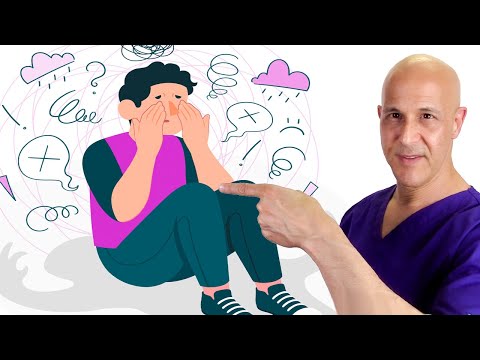
Alright, so let’s talk about panic attacks. They can be totally terrifying, right? One minute you’re fine, and the next you feel like you can’t breathe.
It’s like this rush of anxiety that just hits you outta nowhere. Seriously, it’s no fun at all.
But here’s the thing: there are some natural ways to help calm those freakouts down.
You don’t need medication or fancy therapists every time it happens. Sometimes, a few simple strategies can make a world of difference!
So, grab a comfy seat and let’s chat about how to take control when anxiety tries to take over.
Effective Strategies to End Panic Attacks for Good: Your Comprehensive Guide
Panic attacks can feel like a rollercoaster ride you never signed up for. One minute, you’re chilling, and the next, your heart’s racing, your palms are sweaty, and it feels like the walls are closing in. Honestly? It’s pretty overwhelming. But there are effective strategies you can try to calm those panic attacks naturally and potentially end them for good.
Understand Your Triggers
First off, knowing what sets off your panic attacks is super important. Maybe it’s crowded places or stressful situations at work. Once you recognize your triggers, you can work on facing them gradually or at least prepare yourself to handle them better.
Practice Deep Breathing
One of the best ways to manage a panic attack is through deep breathing exercises. When panic hits, your breath often gets shallow and rapid. So here’s a quick technique: breathe in deeply through your nose for about four seconds, hold it for four seconds, then exhale slowly through your mouth for six seconds. Doing this helps slow down your heart rate and gives your body time to chill out.
Grounding Techniques
Another strategy that works wonders involves grounding techniques. It’s all about getting back in touch with reality when anxiety seems to take over. You might try the 5-4-3-2-1 method: identify five things you can see, four things you can touch, three things you hear, two things you smell, and one thing you taste. This helps pull you away from anxiety and back into the moment.
Stay Active
Physical activity plays a huge role in mental health! Regular exercise releases endorphins—the happy chemicals in your brain—and helps reduce feelings of stress and anxiety that can lead to panic attacks. Even just taking a walk around the block or doing some stretches at home can be effective.
Meditation and Mindfulness
Meditation isn’t just for yogis; it’s actually a great way to find calm amidst chaos. Mindfulness practices—like focusing on the present without judgment—can train your mind to manage stress better over time. Apps like Headspace or Calm offer guided sessions that make it easy to start.
Avoid Caffeine and Sugar
You might not realize how much caffeine or sugar affects your anxiety levels until it’s too late! Caffeine can amp up feelings of jitteriness—which isn’t ideal if you’re prone to panic attacks—so consider cutting back on coffee or energy drinks if they seem to trigger episodes.
Talk It Out
Sometimes just talking about what you’re feeling can help ease panic symptoms big time! A therapist who specializes in anxiety disorders could provide valuable support and coping strategies tailored just for you.
Build Your Support System
Don’t underestimate the power of having people around who get what you’re going through. Friends or family members who understand panic disorder—maybe even others who’ve been there too—can provide comfort during tough times.
Incorporating these strategies into your life won’t turn everything around overnight, but with practice? You might find that those pesky panic attacks become less frequent—or even go away completely over time! Remember: you’re not alone in this journey; many people are navigating similar waters as they seek peace of mind.
Effective Strategies to Overcome Panic Attacks and Find Inner Calm
Panic attacks? Yeah, they can be super intense and honestly pretty scary. But, the good news is that there are ways to manage them and find your inner calm. Let’s break down some effective strategies that really can help.
First off, it’s crucial to recognize what’s happening when a panic attack hits. You might feel your heart racing, your breathing getting shallow, or even feel dizzy. It’s like your body’s alarm system is blaring for no apparent reason. Identifying these symptoms helps you remember: it’s just a panic attack and it will pass. You’re not in danger.
Breathing techniques are pure gold during a panic attack. Picture this: when you focus on taking slow, deep breaths instead of quick ones, you’re telling your body to chill out. Try inhaling deeply through your nose for about four seconds, holding that breath for another four, and then exhaling slowly through your mouth for six seconds. Repeat this until you feel more grounded.
Another cool trick? Challenge those scary thoughts. When you’re in the thick of a panic attack, it’s easy to spiral into worst-case scenarios. Remind yourself that these thoughts are just that—thoughts! They don’t define reality. You could say something like “This feeling won’t last forever” or “I’ve handled this before.” It’s all about giving yourself a little pep talk.
- Visualizing a safe place can also be super helpful.
- You know, picture somewhere calming: maybe a beach or a cozy room.
- Imagine the sights, sounds, and smells of that place while you breathe deeply.
Another great technique is grounding yourself in the present moment with senses. Focus on what you can see around you or what you can touch—maybe it’s the texture of your clothing or the coolness of a chair beneath you. This kind of sensory awareness pulls your mind away from panic.
If possible, getting up and moving around helps too! A short walk outside can do wonders for shaking off anxiety and letting fresh air clear your head.
Consider practicing mindfulness regularly even when you’re feeling fine. Engaging in meditative practices helps build resilience against future panic attacks by training your brain to focus on the present moment instead of spiraling into anxiety.
A friend once told me they got through their roughest moments just by repeating affirmations over their morning coffee: “I am safe,” “I am okay.” Sounds simple but those words provided so much comfort during tough times!
Get support, too! Whether it’s friends who get it or professionals like therapists who specialize in anxiety disorders, having someone to talk to makes everything lighter.
Remember: You’re not alone in this journey!
And lastly? Be gentle with yourself! Sometimes progress isn’t linear; there might be ups and downs along the way—and that’s okay! Celebrate small victories over those pesky panic attacks because every step counts towards finding that sweet inner calm!
Effective Techniques to Distract Yourself During a Panic Attack: A Guide for Relief
Panic attacks can feel like a wild rollercoaster that you didn’t sign up for. Your heart races, your breath quickens, and suddenly you might feel like the world is closing in on you. It’s really intense! If you’re in the middle of one, finding ways to distract yourself can be super helpful. Let’s go through some effective techniques that could bring you a bit of relief.
Focus on Your Breathing
One of the first things to try is focusing on your breathing. Seriously! Just take a moment and breathe in slowly through your nose for a count of four, hold it for four, then exhale through your mouth for another four. Repeat this until you start feeling a little calmer. It helps because it shifts your attention from those spiraling thoughts to something simple and rhythmic.
Engage Your Senses
Next, try engaging your senses. Look around and find five things you can see right now—maybe a picture on the wall or the color of your shoes. Then move onto what you can touch; maybe it’s the fabric of your shirt or the chair you’re sitting in. This technique helps ground you, pulling you back into the present moment instead of getting lost in anxiety.
Move Your Body
Physical activity can also work wonders. You don’t need to run a marathon; just stand up and stretch or take a short walk if possible. Movement releases those feel-good endorphins and distracts your mind from panic thoughts.
Practice Visualization
Visualization is another cool trick! Picture a peaceful place, like a beach or a quiet forest. Imagine every detail—the sound of waves crashing or birds chirping—and let yourself get lost in that image for a few minutes. It’s all about creating mental space where panic has no place.
Use Mantras
Sometimes repeating something positive can shift your mindset too. Try saying mantras like “This feeling will pass” or “I am safe right now.” Saying these out loud (or even just thinking them) gives you something solid to focus on instead of panic.
Distract with Activities
Lastly, consider keeping an emergency distraction kit handy! Fill it with stuff that makes you happy—a favorite book, puzzles, or even coloring books with crayons. When panic strikes, grab something from this kit to help redirect those racing thoughts.
Remember: everyone is different! You might find some techniques work better than others based on what resonates with you personally. The key is just having these strategies ready when you need them most—almost like having a toolbox dedicated to keeping calm during chaos!
Panic attacks can honestly feel like a rollercoaster ride you never signed up for. One minute, you’re chillin’, and the next, it’s like your heart’s doing the cha-cha, and your mind’s racing at a million miles an hour. I’ve been there—you start to sweat, your palms get clammy, and suddenly you wonder if you can breathe. It’s a rough situation that can knock the wind out of your sails.
When I had my first panic attack, I remember it happening out of nowhere, right in the middle of class. The walls seemed to close in on me. I thought I was going to lose it! But over time, I figured out some strategies that helped—stuff that didn’t require prescription meds or anything fancy.
One thing that’s super helpful is focusing on your breath. It sounds simple—a little cliché even—but seriously, taking slow breaths in through your nose and out through your mouth can create this amazing shift. Imagine inflating a balloon slowly—that’s kind of how you want to do it. You’re not trying to hyperventilate; just gentle and easy breaths help ground you in the moment.
And then there’s grounding techniques. You know how sometimes when you’re feeling dizzy or disconnected, just looking at things around you helps? Yeah! So try naming five things you can see, four things you can touch, three things you hear, two smells, and one thing you taste. It sounds silly at first but trust me—it pulls your thoughts away from whatever is stressing you out.
Movement is also a biggie! If you’re able, take a walk—just change your scenery for a bit. There’s something about being outdoors or even just moving around that helps settle those anxious feelings. When I would force myself up from my chair and step outside for even five minutes? It’s like hitting the reset button on my brain.
Oh! And don’t forget about visualization—like thinking about a calming place or memory—like a beach with the sound of waves or lying under trees as they sway gently in the breeze. When my mind goes haywire during an attack, picturing my favorite vacation spot often calms me down.
And hey, don’t underestimate the power of good ol’ self-talk! Telling yourself “you’ll be okay” or “this will pass” can sound cheesy but really remind yourself that panic doesn’t last forever helps keep everything in perspective.
So yeah, learning how to calm down during a panic attack is totally possible without reaching for pills or intervention every time—you’ve got tools at your disposal! Remembering these little strategies made such a difference for me; they’re more like lifelines when anxiety tries to pull me under again.
If you’re struggling with this kind of stuff—or maybe you’re someone who knows someone going through it—just know you’re not alone. All those feelings are valid; finding what works takes time but trust me—it’ll be worth it when those waves hit again.