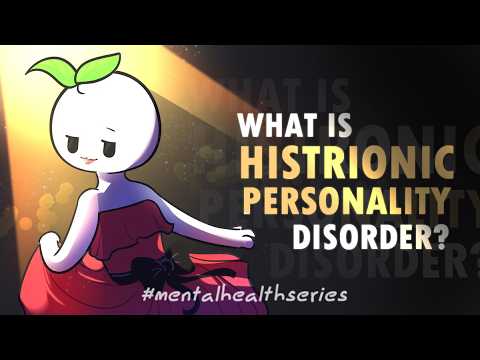
You know, personality disorders can feel kinda heavy, right? Like, what even are they?
One that often flies under the radar is Histrionic Personality Disorder, or HPD. Sounds fancy, but it’s really about how we express emotions and connect with others.
Imagine someone who’s always seeking attention and approval. It’s like they’re on stage every day of their life! But underneath that flashy exterior? There can be struggles that aren’t so pretty.
So let’s chat about HPD—what it means, how it shows up in life, and how it influences mental health perspectives. It’s a wild ride for sure!
Understanding Histrionic Personality Disorder: Its Impact on Daily Life and Relationships
Histrionic Personality Disorder (HPD) can be a real challenge for those who live with it, as well as for people around them. It’s marked by a strong need for attention and excessive emotionality. Now, this doesn’t mean they’re “drama queens” all the time; it just means their lives can feel pretty overwhelming, and relationships can get tricky.
People with HPD often find themselves seeking attention in various ways. They might dress in an obviously eye-catching manner or act overly charming to draw folks in. You know, it’s like they think being the loudest person in the room is the only way to connect. But underneath all that flair, there’s often a deep sense of insecurity.
In daily life, managing HPD can lead to some frustrating moments. Let’s say you have a friend who craves validation like it’s oxygen. They might dominate conversations with dramatic stories and expect constant praise—like every time they do something remotely good, everyone should throw a parade! This can leave others feeling tired or even resentful over time.
Relationships? Oh man, they can be especially complicated. People with HPD may experience intense emotions that swing from happiness to sadness quickly, making their partners feel like they’re on an emotional rollercoaster. Imagine being in a relationship where your partner needs reassurance all the time but flips out if you accidentally don’t give it! It’s hard to maintain balance when one person’s emotions are so unpredictable.
Sometimes, coping mechanisms come into play that can be less than healthy. For instance, someone with HPD might engage in manipulative behavior to keep others close—like guilt-tripping their friends or partners if they feel neglected. That constant worry about losing attention? It really weighs on both sides of these relationships.
Now, what happens is that people around them may start feeling emotionally drained or become frustrated over the drama and neediness. It impacts social circles too; groups might find themselves balancing between supporting their friend while also taking breaks to recharge emotionally.
Working through HPD typically involves talking things out with a therapist who specializes in personality disorders. Therapy isn’t about putting a label on someone but rather giving them tools to manage emotions better and improve relationships. It helps them recognize patterns and provides healthier ways to seek connection without wearing everyone out!
To sum up, Histrionic Personality Disorder shapes how individuals interact with the world—from daily grind frustrations to deeply affecting personal connections. Understanding goes a long way; knowing what HPD entails helps foster empathy—and that opens doors for better communication and support for everyone involved!
Understanding Histrionic Personality Disorder: Do Individuals Recognize Their Condition?
Histrionic Personality Disorder (HPD) can be a bit of a misunderstood condition. It’s characterized by an overwhelming need for attention and excessive emotionality. You might see someone with HPD being really dramatic or flirtatious to get noticed. But like, there’s much more to it than just being “over the top.”
So, do individuals with HPD recognize their condition? Well, that’s not as straightforward as you might think. Many people struggle to see themselves clearly, and those with HPD can be especially bad at self-reflection. It’s like looking in a funhouse mirror—everything is distorted, and that makes it hard to recognize their own behaviors.
One reason for this lack of insight is that people with HPD often focus on how others perceive them rather than on their internal thoughts or feelings. Imagine being in a crowded room and only caring about who’s watching you dance rather than how you’re feeling about the music. It’s chaotic! This means they might not notice their patterns of behavior that seem excessive or attention-seeking.
In terms of emotional experiences, folks with HPD tend to experience things very intensely but often have trouble regulating those feelings. You could say their emotional responses are like fireworks—bright and explosive but often lacking a lasting impact. That can lead to cycles of drama in relationships where they seek reassurance but then feel abandoned if that attention fades.
Treatment for HPD usually involves therapy, which can help individuals explore these behaviors and understand them better. But getting someone to go into therapy voluntarily? That’s tricky! People with this disorder may not see anything wrong with themselves; sometimes, they believe everyone else is the problem!
Here’s where the real kicker comes in—some individuals might only recognize their condition once they start experiencing significant distress or problems in relationships or work because of these patterns. It’s kind of like running into a wall—you don’t notice how fast you’re going until you hit it hard.
In summary, while people with Histrionic Personality Disorder may not readily recognize their behaviors as problematic due to that funhouse mirror effect, therapy can provide some clarity over time. It’s all about unraveling those layers of perception and really digging deep into what drives those attention-seeking behaviors. Change isn’t impossible; it just requires effort and patience!
Understanding Histrionic Personality Disorder: Symptoms, Causes, and Treatment Options
Histrionic Personality Disorder (HPD) might sound complex, but let me break it down for you. Imagine someone who’s always seeking attention, like they’re constantly on stage trying to be the star of the show. This personality disorder is often characterized by a need for approval and a tendency to express emotions in exaggerated ways.
First off, let’s talk about some common symptoms. People with HPD often:
You might wonder, “Why do they act this way?” Well, the causes of HPD can be pretty complicated. Factors include genetics, environmental influences, and even early relationships. So if someone grew up feeling neglected or overshadowed, they might develop these traits to get the love and validation they missed out on.
A friend of mine had a roommate with HPD. She was super charming at parties, always the life of them. But behind that fun exterior was a deep-seated fear of being unloved or unappreciated. She’d often change her mood dramatically just to keep people engaged. It was exhausting for her—but also kind of fascinating to watch!
Now onto Treatment options. Therapy is usually the go-to approach here—think cognitive-behavioral therapy (CBT) or psychodynamic therapy. These methods help individuals gain insight into their thoughts and feelings while also learning healthier ways to connect with others.
But here’s the catch: folks with HPD may not always recognize their behaviors as problematic. That can make it tough for them to seek help or stick with treatment. Sometimes medications like antidepressants are used if there’s co-occurring anxiety or depression.
In summary, Histrionic Personality Disorder is all about that intense need for approval and attention—often hiding deeper vulnerabilities underneath. If you know someone who seems like this, remember it’s more complex than what meets the eye!
Histrionic Personality Disorder (HPD) can really make you think about how we view ourselves and others in the world of mental health. It’s one of those conditions that often gets a bit of a bad rap. You might’ve heard people say someone is «being dramatic» or «seeking attention,» but there’s way more to it than that.
People with HPD often feel this intense need for approval, and you know what? That need can lead to some pretty strong emotions. It’s like putting on a show every day and constantly craving the audience’s applause. Imagine feeling like you’re never quite enough unless everyone is looking at you, cheering you on. That must be exhausting!
A friend of mine once opened up about her struggles with not just HPD, but also how it shaped her relationships. She described feeling like she was on an emotional rollercoaster—highs when she was the center of attention and crushing lows when she felt overlooked or dismissed. I could see that it wasn’t just a personality trait, but something deeply tied to her sense of self-worth.
When we talk about mental health, it’s easy to slip into labels and boxes. But HPD challenges us to see beyond those surface-level traits. People with this disorder may struggle with genuine connections because they fear vulnerability, believing they have to maintain that performance persona all the time. And honestly, who wouldn’t feel like they’re wearing a mask after so long?
So yeah, confronting HPD forces us to shift our perspectives and recognize the complexity of human emotions and behaviors. Instead of jumping straight to judgment, maybe we should pause for a moment? We could ask ourselves what might be happening beneath that exterior—a delicate dance between fear and the desire for acceptance.
Ultimately, understanding HPD calls for empathy and patience as we navigate the vast landscape of human experiences. It teaches us not only about one person’s journey but also about our own vulnerabilities in wanting to fit in and feel valued in some way or another.