So, have you ever met someone who just lights up a room? You know, the kind of person who’s super charming and always seems to be the center of attention? Well, sometimes there’s more beneath that sparkle.
Let’s chat about Histrionic Personality Disorder (HPD). It’s not just a fancy label; it can really impact how someone interacts with the world. Picture this: imagine feeling like you constantly need to be the star of the show. Sounds exhausting, right?
In this piece, we’ll break down what HPD is according to the DSM-5—a big book that mental health pros use. We’ll talk about what it feels like for those living with it. It’s all about understanding and maybe finding some empathy along the way. You down for that?
Understanding Histrionic Personality Disorder: A Guide to DSM-5 Criteria
Sure thing! Let’s break down Histrionic Personality Disorder (HPD) and its DSM-5 criteria in a way that actually makes sense.
Histrionic Personality Disorder is one of those disorders people often misunderstand. It’s all about how someone interacts with the world around them. People with HPD usually crave attention and may act in ways to ensure they get it. But it’s not just about being dramatic, you know? There’s more to it.
According to the DSM-5, there are specific criteria for diagnosing HPD. Here’s what you’re looking at:
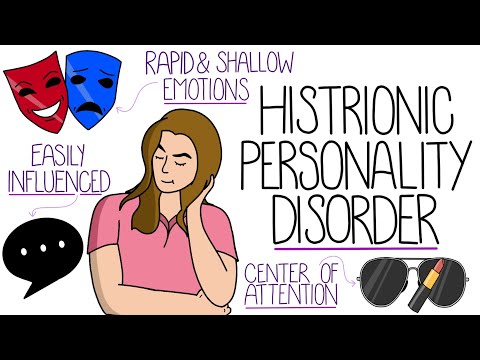
- Excessive emotionality: Individuals with HPD often express emotions in an exaggerated way. Like, they might react totally over the top to events that wouldn’t faze others.
- Need for attention: They want to be the center of attention all the time. If no one’s watching, they might do something wild just to draw eyes their way.
- Dramatic behavior: Think of a classic soap opera star! They might act or look dramatic, drawling out stories about their lives or wearing flashy clothes.
- Shifting emotions: Their moods can change quickly, often seeming shallow or insincere. One moment they’re overjoyed; next, they’re sorrowful!
- Easily influenced: They can be swayed by others’ opinions pretty easily, which can seem like they’re not really sure who they are.
- Pretending intimacy: They may seem overly friendly or intimate with people they’ve just met, giving off this vibe of closeness that feels forced.
- Lack of self-esteem: Deep down, there might be feelings of insecurity that fuel their behavior. They often rely on others’ validation to feel good inside.
So let’s say you know someone who seems always to need an audience. Every time you hang out, they’re telling dramatic stories or showing off their latest fashionable getup—like when Sarah pulled out her new feather boa at brunch and turned heads! It’s kind of entertaining but also a bit exhausting after a while.
Now imagine if deep down she felt super insecure and only acted like that because she thought it would help her feel better about herself when people noticed her. That could be a glimpse into how HPD works.
To diagnose someone with HPD, a clinician looks for at least five of those criteria from the DSM-5. It’s not just about checking boxes; it’s about understanding how these traits impact daily life and relationships.
That said, diagnosing personality disorders isn’t easy peasy. Clinicians must consider other mental health conditions too because symptoms can overlap quite a bit! A trained mental health professional is essential here because misdiagnosis can lead to ineffective treatment.
People living with Histrionic Personality Disorder can benefit from therapy focusing on building self-esteem and tackling those emotional patterns head-on! It takes time and effort but working toward understanding oneself might help ease those intense needs for attention and approval.
To sum up: Histrionic Personality Disorder is more than just being extra; it comes from deep emotional needs and insecurities that shape how someone interacts with everyone around them. And hey? That backdrop makes empathy go a long way in nurturing relationships too!
Understanding Histrionic Personality Disorder: Are Those Affected Aware of Their Behavior?
Histrionic Personality Disorder, or HPD, is one of those terms that gets thrown around a lot, but what does it really mean? Well, it’s basically a condition where people tend to be very dramatic and emotional. They often seek attention and approval in ways that can be a bit over-the-top. Now, the real question here is whether individuals with HPD are aware of their behavior. So let’s break this down a bit.
First up, people with HPD often have an intense need for attention. This might show up as being uncomfortable when they’re not the center of attention. You might notice they use their looks or act in flamboyant ways to grab eyes and ears. It’s like they walk into a room and immediately turn on the spotlight.
Another key characteristic is their emotionality. We’re talking about extreme emotions, sometimes blowing things way out of proportion. This can be confusing for people around them because their feelings might seem, well, a little too dramatic even for real life. Imagine someone crying at an average movie scene as if it was the end of the world — that’s kind of what I mean!
- Self-Image: Their self-image can be overly dependent on how others see them. Sometimes they might dress or act in certain ways just to gain validation.
- Dramatic Communication: The way they speak can also be really theatrical. It’s almost like they’re performing all the time.
- Sensitivity: They tend to be highly sensitive to criticism or disapproval from others, which can lead to feelings of inadequacy.
Now about self-awareness: Some individuals with HPD may not fully recognize how their behavior affects others or even see it as problematic. It’s sort of like living in your own bubble where everything feels justified because it gets you attention and affection. Sometimes they just believe that all this dramatics is normal behavior.
A friend once told me about someone she knew who had HPD; this person would throw huge tantrums at parties when no one was paying attention to her. She honestly thought she was just being lively and fun! When friends tried to talk to her about how her actions affected the vibe of the group, she got defensive instead of reflective. You see how tricky that awareness part can be?
The flip side is that some individuals may catch glimpses of their behaviors but feel powerless to change them — recognizing something is off but not knowing how to tweak it without losing themselves somehow.
This lack of insight doesn’t mean awareness isn’t possible though! Therapy can help shed light on these patterns; treating HPD usually involves some form of psychotherapy aimed at enhancing self-awareness and improving interpersonal relationships.
The bottom line? People with Histrionic Personality Disorder live in vibrant colors but sometimes don’t realize how bright those colors are shining for everyone else—or whether they’re blinding folks instead! So yeah, awareness levels vary widely among individuals with HPD; some may grasp parts of it while others are lost in the drama without realizing its impact on themselves or those around them.
Understanding Histrionic Personality Disorder (HPD): Symptoms, Causes, and Treatment Options
Understanding Histrionic Personality Disorder (HPD) can feel like a maze sometimes. If you ever find yourself feeling confused about what it means or how it affects those around you, you’re definitely not alone. Let’s break it down into bite-sized pieces.
What is Histrionic Personality Disorder?
HPD is classified in the DSM-5, which is basically the handbook for mental health disorders used by professionals. People with HPD often seek attention and validation in exaggerated ways. It can look like they’re always trying to be the center of attention, whether that’s through their dramatic behavior or over-the-top emotions.
Symptoms of HPD
People with this disorder usually show a few key symptoms, such as:
- Excessive emotionality: They may seem to blow things out of proportion.
- Attention-seeking: They often feel uncomfortable when they’re not getting attention.
- Dramatic behavior: This can include theatrics or being overly charming.
- Rapidly shifting emotions: Their feelings might change quickly and seem shallow.
- Physical appearance focus: They might dress flamboyantly to draw attention.
Imagine someone at a party who tells wild stories just to make sure everyone’s looking at them. It might seem fun at first but can get exhausting and even frustrating for others involved.
Causes of HPD
Now, why might someone end up with HPD? The exact cause isn’t super clear-cut. It typically stems from a mix of genetic factors and environmental influences. Think about it this way: if someone grew up in an environment where they only received love and affection when they showcased big emotions, they might learn to behave that way as adults.
So yes, family dynamics play a role too! If there was a lot of drama or emotional instability at home, that could set the stage for HPD down the line.
Treatment Options
When it comes to treating HPD, things can get complicated. Therapy is usually the go-to option here. You’ll mostly see:
- Psychoanalytic therapy: This dives deep into past experiences.
- Cognitive-behavioral therapy (CBT): Helps them learn about their behaviors and emotions in real-time.
- Group therapy: Can provide support and feedback from others dealing with similar issues.
Medication isn’t really used specifically for HPD but may help manage related symptoms like anxiety or depression if they pop up. It’s crucial for individuals with HPD to work closely with therapists who understand how those dramatic patterns affect their relationships.
Dealing with someone who has Histrionic Personality Disorder can make you feel all sorts of ways—sometimes frustrated, sometimes worried about their well-being. Remembering these key points can help you navigate conversations better and might just give you insights into what they’re going through emotionally.
Connecting on their level – recognizing that there’s more beneath their colorful exterior – opens doors for deeper conversation and understanding. So yeah, next time you come across someone displaying these traits, keep this info in mind!
Histrionic Personality Disorder, or HPD, can sound pretty daunting at first, right? I mean, the name alone might make you think of someone dramatically flailing their arms around in a theater. But it’s way deeper than that, trust me.
People with HPD often crave attention and can feel uncomfortable when they’re not in the spotlight. It’s like being on stage all the time, and that pressure? Well, it can really take a toll on their emotional well-being. I remember chatting with a friend once who had this kind of flair for the dramatic in everything he did—from his outfits to his everyday stories. He could light up a room but there was always this underlying need for validation. He would get super anxious if people didn’t react the way he expected. That’s some real struggle if you think about it.
So, when we look at HPD through the lens of the DSM-5—the diagnostic manual used by professionals—it highlights some key traits: emotionality, excessive attention-seeking behavior, and maybe even some shallow emotions at times. This doesn’t make them bad people; it just shows how they cope with feelings of insecurity and self-worth.
The tricky part is that these behaviors can sometimes push people away rather than bring them closer. You can imagine how tough that must be! They might act out just to get noticed—like telling outrageous stories or dressing in eye-catching ways—but that’s not necessarily who they are at their core.
Talking about HPD also brings up this larger theme of how we view personality disorders overall. They often come with a lot of stigma because they’re misunderstood. People tend to cast quick judgments without seeing the human behind those traits.
So yeah, getting into HPD isn’t just about checking off symptoms from a list; it’s about understanding whole lives behind those behaviors—recognizing they’re humans with feelings just like anyone else. If you’re curious about how personality disorders play out in real life or have experiences to share, feel free to dive into that conversation!