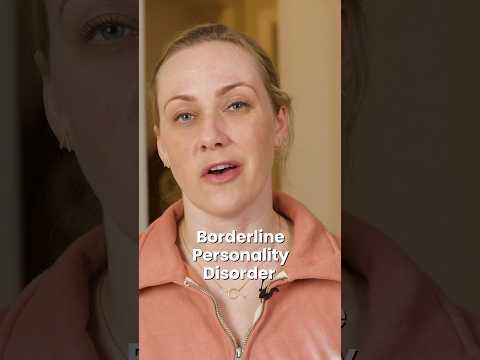
You know those people who seem fine on the surface? They’re holding it together, juggling life like a pro. But underneath? It can be a whole other story.
High-functioning personality disorders are kinda sneaky like that. They don’t always look like what you’d expect from a “disorder.” Sometimes, they show up in the form of charm, wit, and seemingly endless energy.
You might not even notice there’s anything off until things start getting messy. Relationships get complicated, work life feels like a tightrope walk, and emotions can swing wildly.
So let’s chat about the traits of these disorders and how they play out in real life. Trust me; it’s more common than you think!
Exploring Personality Traits: What Similarities Exist Between Narcissists and Other Personality Types?
Personality traits can be super interesting, right? You ever notice how some people seem to have this magnetic quality, while others just rub you the wrong way? Well, when we dive into personality disorders, especially narcissism, things can get a little complex.
Narcissists are like the poster children for high self-esteem gone wrong. They crave admiration and often lack empathy. But what’s really wild is how they share some common ground with other personality types. Some connections can be surprising.
Grandiosity is one of the main flags waving high for narcissists. It’s all about that inflated sense of self-importance. But guess what? Other personality disorders, like antisocial personality disorder (APD), also feature traits of grandiosity. People with APD might feel superior too, even if they don’t flaunt it like a narcissist would.
And then there’s emotion regulation. Narcissists often struggle to manage their emotions effectively. They might lash out if they don’t get the validation they crave. Interestingly, those with borderline personality disorder (BPD) also deal with intense emotions but for different reasons—think fear of abandonment or unstable relationships. Both groups can find it tough to keep their cool.
Now let’s talk about interpersonal relationships. Narcissists tend to have superficial connections because they’re more focused on how others see them than genuine connection. But folks with avoidant personality disorder may struggle to form those connections too, though from a place of fear and anxiety rather than an over-inflated ego.
You know what else connects these different personalities? A tendency toward manipulation. Narcissists may manipulate others to maintain their self-image or gain admiration—kind of like puppeteers pulling strings in a show. Some people with histrionic personality disorder do this as well—they thrive on drama and attention but often in more flamboyant ways.
So, in summary:
- Grandiosity: Shares similarities between narcissists and individuals with APD.
- Emotion Regulation: Both narcissists and those with BPD struggle with keeping emotions in check.
- Interpersonal Relationships: Superficiality links narcissists to avoidant personalities.
- Manipulation: Seen in both narcissistic and histrionic traits.
It’s pretty intriguing how these traits intertwine yet diverge at the same time! I guess it shows us that human behavior is rarely black or white.
Understanding the 12 Personality Disorders: A Comprehensive Guide
So, personality disorders can be a bit of a puzzle, right? They shape how people think, feel, and behave in ways that can be pretty challenging for themselves and others. Let’s break down the 12 personality disorders in a straightforward way.
1. Paranoid Personality Disorder
People with this disorder often distrust others. They might constantly think someone is out to get them. It’s like they have their guard up all the time! For example, imagine someone who thinks their coworkers are plotting against them at the office party.
2. Schizoid Personality Disorder
These folks typically prefer solitude over social interaction. They seem emotionally cold and detached from others. Picture someone who would rather binge-watch shows at home instead of hanging out with friends every weekend.
3. Schizotypal Personality Disorder
This is where things get a little more unusual. People might display odd beliefs or magical thinking; they could say things like «I can sense what others are feeling!» These quirks often make socializing tough for them.
4. Antisocial Personality Disorder
You know those stories about people who seem to have no empathy? That’s often linked to this disorder. These individuals might manipulate or hurt others without feeling guilty about it—think of a character in a movie who charms their way through life but does some pretty dodgy stuff behind the scenes.
5. Borderline Personality Disorder
This one is intense! People may struggle with relationships and experience extreme emotions—like sudden anger or sadness that seems to come outta nowhere. They often fear abandonment and might go to great lengths to avoid it, sometimes even pushing loved ones away.
6. Histrionic Personality Disorder
Alright, picture someone who craves attention—a lot! They might be overly emotional and dramatic just to be in the spotlight. If you’ve ever seen someone at a party telling wild stories just for laughs, you might be looking at traits from this disorder!
7. Narcissistic Personality Disorder
Ever known someone who seems to think they’re the bee’s knees? Yup, that can stem from narcissism! These individuals generally have an inflated sense of self-importance and need validation from others; they may lack empathy too.
8. Avoidant Personality Disorder
This is where anxiety really kicks in around social situations—people might avoid activities because they fear being embarrassed or criticized. Imagine someone skipping a party because they dread awkward conversations.
9. Dependent Personality Disorder
Some people feel completely reliant on others for making decisions; they fear being alone and often go out of their way to please those around them so they won’t be neglected or abandoned.
10. Obsessive-Compulsive Personality Disorder (OCPD)
Different from OCD, this involves being overly focused on orderliness and perfectionism at the expense of flexibility; like needing everything organized perfectly before even starting a task!
11. Other Specified Personality Disorder
Sometimes folks don’t fit neatly into one category but still show traits distinct enough that we can recognize them as problematic; this label helps professionals address those unique challenges without having to force them into a box.
12. Unspecified Personality Disorder
Similarly, there are cases where symptoms emerge but aren’t clear enough for a specific diagnosis yet; it keeps options open until professionals gather more information.
Now let’s chat about high-functioning personality disorders—it’s like having these traits but managing life relatively well despite the quirks! You could be dealing with an antisocial type who’s incredibly charming but keeps relationships shallow or someone with narcissistic tendencies who excels in their career while struggling personally.
Because here’s the thing: not every person with these traits behaves destructively; many navigate everyday life just fine while wrestling internally with feelings that drive them towards certain behaviors you know? It doesn’t make their experiences any less valid!
In short, understanding these disorders allows us to see beyond just what’s on the surface; it helps foster empathy for what people are actually going through behind closed doors—and that’s super important.
Effective Medications for Managing Personality Disorders: A Comprehensive Guide
When it comes to personality disorders, things can get pretty complicated. These conditions shape how you see yourself and interact with others. Some folks might even be high-functioning under the radar, managing their daily lives while still grappling with intense emotions or interpersonal challenges. Now, let’s talk about medications – they can play a role, but they’re not a catch-all solution.
Understanding Medication’s Role
Medications for personality disorders are often used to treat specific symptoms rather than the disorder itself. Think of it like putting on a band-aid; it can help manage pain but doesn’t fix the underlying issue completely. Doctors usually prescribe them in combination with therapy.
Common Medications
There are different classes of medications that doctors might consider:
It’s good to keep in mind that finding the right medication is often a process of trial and error. You know how everyone responds differently? Yeah, that’s how it goes here too.
High-Functioning Personality Disorders
Now let’s dig into those high-functioning types—characters who often excel at work or maintain relationships but still deal with inner turmoil. Take someone with **high-functioning borderline personality disorder (BPD)**; they might have intense relationships and fear abandonment yet present themselves well in social situations.
Imagine Sara: she aces her job and has a supportive friend group, but she feels overwhelming anxiety when plans change unexpectedly. Here’s where medication could step in—something like an SSRI may reduce her anxiety levels and increase her stability.
The Therapeutic Balance
Medication alone isn’t enough; therapy is crucial for all this to work smoothly together. Seriously! Cognitive Behavioral Therapy (CBT) helps people reframe their thoughts and behaviors alongside their meds.
Consider Jake who has **high-functioning narcissistic traits**. He gets great work results but struggles to maintain friendships because of his lack of empathy. A combination of psychotherapy and possibly an antidepressant could help him understand his patterns better while managing feelings of inadequacy.
A Cautionary Note
Here’s the thing: medications aren’t magic pills that erase every tough feeling or dysfunctional behavior overnight. There are side effects too! And what works for one person may not work for another—it can feel frustrating at times.
That said, if you’re exploring meds as part of your journey through personality disorder management, having open conversations with your provider about experiences is essential.
In short: Medicine may ease some symptoms tied to personality disorders but remember it should ideally complement therapeutic approaches to bring about real change!
High-functioning personality disorders might sound like a mental health term that belongs in a textbook, but trust me; they’re a lot more relatable than you think. Picture someone you know who seems to have it all together—great job, social skills, maybe even a family. Yet underneath, they might be grappling with a personality disorder, like narcissistic or borderline traits. It’s wild how these disorders can manifest in someone who appears perfectly fine on the outside.
Take Sarah, for example. She was like the poster child for success: always hitting deadlines at work and keeping her friends laughing with her sharp wit. But behind that confident persona was a constant fear of abandonment and an overwhelming need for validation. There were days when she would spiral into anxiety over the smallest things, like someone canceling plans or not complimenting her outfit. It sounds exhausting, right? And it really was for her.
One key trait of high-functioning personality disorders is this ability to maintain appearances while dealing with emotional turmoil. Many people don’t even realize they’re struggling because it’s easy to focus on accomplishments instead of feelings. It’s like walking around with this heavy backpack full of worries while still running a marathon—it might look effortless from the outside.
These traits can lead to some unique effects in relationships too. People with high-functioning traits often push others away without realizing it; their need for control or fear of vulnerability can make connections feel strained or superficial. For instance, Sarah would sometimes go silent if she felt criticized or misunderstood, which left friends scratching their heads about what they did wrong.
The truth is that living with high-functioning personality disorders can lead to isolation—no matter how successful you appear on paper. It creates this invisible wall that makes it hard for others to see the real you, or even worse, hard for you to see yourself clearly.
So yeah, while high-functioning personality disorders may not always look like what you’d expect from traditional mental health struggles, they can deeply impact everyday life and happiness. Recognizing these traits isn’t just about identifying problems; it’s about understanding the complexities within ourselves and those we care about—and that’s something we all could use more of today.