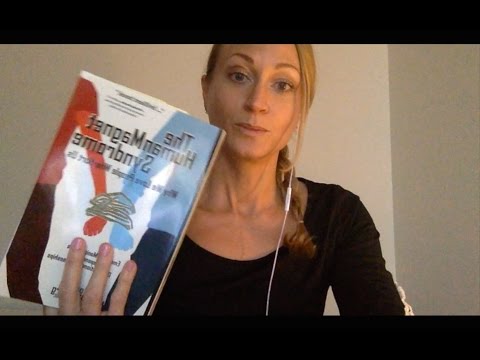
Hey, so let’s talk about something kinda fascinating—human magnet syndrome. Ever heard of it? It’s this bizarre phenomenon where some people can actually attract metal objects to their skin. Seriously, how cool (or weird) is that?
Now, you’d think it’s just a quirky party trick or something, right? But there’s more to it. Like, have you ever thought about what it’d feel like to have that happen to you? Imagine the stares and reactions!
The thing is, this oddity isn’t just about the metal sticking to your skin. It can mess with your head and emotions in unexpected ways. So let’s dig into those psychological effects and see what they really mean for those who experience this wild syndrome. Trust me; it’s worth checking out!
Understanding Human Magnet Syndrome: Why You Attract Unhealthy Relationships
Human Magnet Syndrome is one of those terms that sounds a bit fancy but really just describes something many people experience: attracting unhealthy relationships. So what’s up with that? Let’s break it down.
The thing is, if you find yourself consistently drawn to toxic partners, it might not just be bad luck or coincidence. There could be underlying psychological effects at play. You may have traits that make you a magnet for people who are emotionally needy or who have their own issues.
A lot of what we go through as kids sticks with us. If you grew up in an unstable environment, you might unconsciously seek out those chaotic dynamics in your adult relationships. It becomes familiar and, strangely enough, comfortable. It’s like falling back into the same worn-out pair of shoes, even if they pinch.
If you don’t feel good about yourself, you might end up settling for less than you deserve. That can let unhealthy partners slip in through the cracks. You might think their attention is validating when really, it can lead to more pain down the line.
You ever notice how some people just seem to “know” how to push your buttons? Well, early relationships—like with parents or guardians—set the stage for how we connect with others later on. If love was conditional when you were growing up (like earning praise or affection), you might unknowingly repeat those patterns and get stuck in a loop of unhealthy connections.
Now, let me share a story that kinda nails this point home: A friend of mine always dated guys who were incredibly charming at first, but as time went on things would spiral downhill fast—think manipulative games and emotional storms. She never saw it coming! One day she opened up about her childhood and realized her dad wasn’t around much and her mom was overly critical. That insight hit hard; suddenly all those patterns made sense!
Many folks with Human Magnet Syndrome have this urge to «save» others. You know, the type who thinks they can «fix» someone else’s problems? That desire often leads them right into toxic territory because they ignore red flags while focusing on potential rather than reality.
And let’s not forget about Attachment Styles. This psychological concept dives deep into how we bond with others based on our early experiences. If you’re anxious attachment style driven by fear of being alone or rejected, then guess what? You may gravitate toward partners who also struggle emotionally—again creating that perfect tornado of chaos.
So here’s the kicker: recognizing these patterns is seriously step one in breaking free from the cycle of attracting unhealthy relationships. It’s like seeing those alarm bells ringing for the first time!
But hey, awareness alone won’t fix everything—it takes work and sometimes a chat with a therapist can help unpack your experiences further.
To sum it all up: Human Magnet Syndrome is about understanding why certain types of people keep appearing in your life over and over again. Once you’re aware of these influences—your past experiences, self-esteem issues, need to rescue others—you can start making healthier choices in your relationships going forward! And trust me; it’s totally worth it!
Understanding the Trauma of Narcissistic Abuse: Healing and Recovery Insights
So, let’s talk about narcissistic abuse. It sounds heavy, doesn’t it? But breaking it down can really help you see the light. Basically, being in a relationship with a narcissist can really mess with your head and heart. You know how sometimes you’re just trying to make sense of things, but nothing adds up? That’s super common for people who have experienced this kind of abuse.
When you’re dealing with **narcissistic abuse**, you may find yourself feeling confused, lost, and even questioning your own reality. Narcissists are often charming and charismatic at first. They can sweep you off your feet, making you feel like you’re on top of the world. But then they start the cycle of manipulation and emotional turmoil.
People who go through this often experience something called Human Magnet Syndrome. This means that those who are vulnerable or have a tendency to be caretakers find themselves drawn to narcissists like moths to a flame. It’s not about blame; it’s just about how patterns emerge in relationships.
Recovery from this trauma is no small feat. Here are some critical insights if you’re on that path:
- Validation is Key: You need to acknowledge what you’ve been through. Your feelings are real! Just because someone else doesn’t get it doesn’t mean it’s not valid.
- Establish Boundaries: After experiencing narcissistic behavior, learning how to set boundaries becomes crucial. It’s like drawing a line in the sand that says, «This is where I stand.» Finding out what feels okay for you is important.
- Seek Support: Connecting with others who understand your experience can be healing. Whether it’s therapy or support groups, talking about your feelings helps break down isolation.
- Self-Compassion: Be gentle with yourself during this journey! Recovery takes time, and some days will be harder than others.
- Educate Yourself: Learning about narcissism and its effects helps decode your experiences—kind of like putting together pieces of a puzzle.
Think back to how it felt living under that constant cloud of confusion mixed with gaslighting (where they deny or twist facts). One woman I once talked to shared how her partner would say things like, “You’re overreacting” or “That never happened,” leaving her feeling powerless and doubting her own memories.
In terms of healing strategies, there are several out there that might resonate with you:
- Cognitive Behavioral Therapy (CBT):This approach helps by challenging negative thoughts and reframing them into something healthier.
- Meditation and Mindfulness:This can ground you when past memories creep up unexpectedly.
Healing isn’t linear; you have ups and downs along the way—kind of like riding a rollercoaster blindfolded! And remember that recovering from narcissistic abuse isn’t just about removing toxic people from your life; it also involves rediscovering who you truly are without their influence hanging over your head.
The thing is—you’re not alone in this journey. You’ve got to hold onto hope even when it feels distant because brighter days do come after the storm. So hang in there; take small steps forward every day!
Exploring Human Magnet Syndrome: Unveiling the Psychological Effects and Insights [PDF Guide]
Human Magnet Syndrome is one of those terms that sounds a bit mysterious, right? But really, it refers to a phenomenon where certain people seem to attract unhealthy or dysfunctional relationships. It’s like they have an invisible force field that draws in folks with issues—think drama, emotional turmoil, you know the type.
So, what’s going on here? Well, the psychological effects play a big role. People who experience this syndrome often have deep-rooted issues themselves. They may struggle with low self-esteem or unresolved trauma. It’s like they have a “please hurt me” sign on their forehead without even realizing it. This can lead to a cycle where they find themselves in relationships with folks who are emotionally unavailable or downright toxic.
- Attachment Styles: A lot of this boils down to attachment styles formed in childhood. If you grew up in an unstable environment, you might develop an insecure attachment style.
- Low Self-Esteem: Catch yourself feeling unworthy of love? That’s a biggie. People with low self-worth might unknowingly seek out partners who confirm those negative beliefs.
- Tendency Toward Caretaking: Some individuals fall into the role of caretaker. They feel needed when they’re helping someone who’s emotionally struggling, which feels rewarding but can also lead to burnout.
And here’s where it gets even more interesting: it doesn’t just affect romantic relationships. Friends and family dynamics can get influenced too! If you find yourself constantly surrounded by chaos or negativity, it might be time to take a step back and ask why.
You might be wondering how these patterns get established. Like any habit, this stuff generally develops over time through experiences and repeated behaviors. Picture someone with a history of unhealthy relationships trying to figure out what’s wrong—only to end up in another similar situation because it’s what feels familiar.
The psychological toll can be heavy too! Constantly being drawn into dysfunctional interactions can lead to feelings of anxiety and depression. You could end up feeling emotionally drained all the time or even starting to doubt your own reality—a fun little phenomenon known as gaslighting.
So what can one do about Human Magnet Syndrome? Well, first off, awareness is key! Just recognizing these patterns in your life is already half the battle won. Speaking to a therapist about your relationship history can provide insights and help you develop healthier coping strategies.
Building up your self-esteem is also crucial! Try surrounding yourself with supportive people who uplift you rather than drag you down—or worse yet, drain your energy.
In summary, Human Magnet Syndrome shows us how our backgrounds shape our choices in relationships—and those choices impact our mental health on many levels. Not ideal for sure but definitely something we can work on if we’re aware and willing!
So, let’s talk about this thing called Human Magnet Syndrome. It’s not, like, a literal magnetism where people can levitate objects with their minds or something. But it’s a real psychological phenomenon where some folks just seem to attract drama and troubled people into their lives. You know, like how some people always end up in chaotic relationships? That’s kind of the vibe.
Picture this: Jane is a gentle soul—sweet, nurturing, and always there for her friends. But somehow, she keeps finding herself in friendships or romantic relationships with people who are just… well, super needy or toxic. At first, it feels great to play the hero. She helps them through their problems, feeling all warm and fuzzy inside. But eventually? It becomes draining and overwhelming. Jane ends up feeling exhausted and used.
The reason behind this might be tied to a mix of low self-esteem or maybe some deep-seated belief that she has to be the “fixer.” It’s like she’s got this invisible sign on her forehead saying «Help needed here!» And here’s where it gets real tricky: when you’re constantly surrounded by people who take more than they give, it can seriously mess with your mental health.
You start feeling anxious when you really shouldn’t be. Your mood swings like crazy because you’re riding that emotional rollercoaster of someone else’s issues. You might even question your own worth—thinking if you’re not saving them, then what value do you have? That’s rough territory.
And while helping others is cool and noble in theory, it starts eating away at your happiness if that’s the only role you play in your relationships. It’s important to set boundaries—to realize that your emotional wellbeing matters too! Imagine Jane finally deciding to prioritize herself for once—setting limits on how much she gives without expecting something back? That would change everything!
In short, Human Magnet Syndrome can bring about an avalanche of emotions: frustration, sadness, even anger at oneself for getting caught in the cycle again. The key is learning how to balance helping others with taking care of yourself because everyone’s worth it—including you! It’s not easy but recognizing the pattern is definitely the first step in breaking free from that invisible hold dramatic folks have over us.