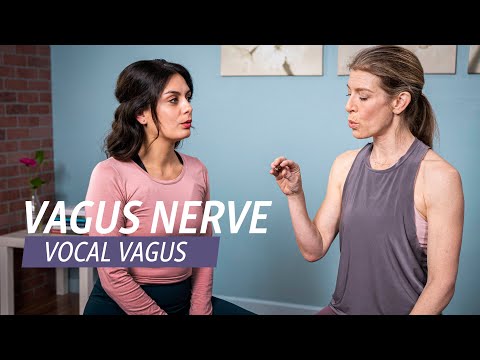
Hey, you know those days when everything feels like too much? Yeah, we’ve all been there.
Sometimes, you just need a little trick up your sleeve to help chill out. That’s where this humming breathing exercise comes in. Sounds kinda odd, right? But trust me, it’s super simple and can work wonders.
Imagine feeling that weight lift off your shoulders with just a few deep breaths. It’s like hitting the refresh button for your brain. So, if you’re ready to find some calm amidst the chaos, let’s get into it!
Unlock Calmness: How Humming Can Help Reduce Stress and Boost Your Mood
Humming, you know, isn’t just for kids or when you’re in the shower. It’s actually a pretty neat way to boost your mood and calm those racing thoughts. When you hum, you’re doing something a little magical—seriously! It can help reduce stress and increase feelings of well-being.
First off, let’s talk about how it works. Humming creates vibrations in your body that help relax your nervous system. This can be super helpful when life feels overwhelming. Those vibrations are like little massages for your organs and can even promote better blood circulation. So, basically, every time you hum, you’re giving yourself a tiny health boost.
But there’s more! Humming can help with something called deep breathing. When you hum, you’re naturally slowing down your breath because it makes you focus on taking deeper inhales and exhales. This deep breathing sends signals to your body that it’s time to chill out. Plus, slower breaths mean less anxiety—win-win!
Let’s not forget about the scientific side of things. Studies show that humming increases levels of nitric oxide in your body. That stuff helps open up blood vessels and improve airflow in our lungs. So, not only does humming make you feel good emotionally, but it also has physical perks too!
You might be wondering how to get started with this whole humming thing. Well, it’s super simple! Just find a quiet spot and take a deep breath in through your nose. Then exhale slowly while humming any tune that makes you happy or relaxed—maybe something from childhood or just a soft «mmm» sound works wonders.
Here are some key points to think about:
- Stress Relief: Humming can lower cortisol levels—the hormone associated with stress.
- Mood Boost: It releases endorphins that enhance happiness.
- Mindfulness: Focusing on the sound helps ground you in the moment.
- Simplicity: You don’t need fancy tools; just your voice!
And hey, it doesn’t take much time either! You can hum for just a few minutes whenever you’re feeling tense or anxious—like during a break at work or before bed when all those thoughts start swirling around.
So really, next time life feels chaotic or stressful—and we all know that can happen often—just remember that humming is an easy tool to add to your kit for finding calmness again. Grab those vibes and let them work their magic!
Understanding When to Avoid Bhramari: Key Considerations for Mental Health Practices
When we talk about Bhramari, you might picture a calming breathing exercise, right? It’s often used to help with stress relief. You breathe in and then hum while you breathe out. Sounds peaceful, but it’s not always the best choice for everyone. So let’s break down some important reasons to avoid Bhramari in certain situations.
1. Pre-existing Conditions
If you have a respiratory problem—like asthma or chronic obstructive pulmonary disease (COPD)—you really should be careful with this technique. Humming can sometimes lead to increased pressure in the chest or difficulty breathing. Like, if your lungs are already a bit cranky, adding extra effort might not be the best idea.
2. Anxiety Disorders
Anxiety’s tricky; it can flare up unexpectedly. For some folks, focusing intensely on their breathing can make things worse instead of better. If you’re someone who feels overwhelmed by mindfulness practices or deep breathing exercises, maybe Bhramari isn’t for you at that moment.
3. Sensitivity to Sound
Okay, here’s a surprising one: not everyone is into humming! For those with sound sensitivities or conditions like misophonia—where certain sounds drive you up the wall—you might want to skip this exercise altogether. Humming could actually trigger feelings of discomfort instead of calmness.
4. Mental Health Crises
If you’re going through a particularly tough time—like an acute episode of depression or during a panic attack—it may be better to stick with grounding techniques that don’t require focused breathing patterns. You know? Sometimes just being present and moving can feel more effective than forcing your body into specific rhythms.
5. Physical Discomfort
Listen to your body! If humming causes any tension in your throat or jaw, stop immediately! There should never be pain involved in relaxation techniques; if something doesn’t feel right, trust those instincts.
And remember, mental health practices are all about finding what works for you. Everyone’s journey is unique! It’s okay to try different methods and see how they make you feel without sticking rigidly to one practice that doesn’t suit your needs.
Overall, taking care of your mental health means being aware of when certain practices may not be beneficial for you personally. It’s about keeping things light and positive while making sure you’re on the right path for your wellness journey!
Transform Stress into Calm: Humming Breathing Exercise for Relaxation on YouTube
Stress can feel like this heavy backpack you’re lugging around, right? Some days it’s just too much. If you’re looking for a simple way to lighten that load, the **humming breathing exercise** might be exactly what you need. It’s all about transforming that stress into calm. Seriously, it can be a game-changer.
So, what’s the deal with humming and breathing? Well, here’s how it works: when you hum while you breathe, you’re helping your body activate the **parasympathetic nervous system**. That’s the part of your nervous system that calms things down when life gets a bit too wild. By doing this exercise, you’re basically telling your body, “Hey! It’s cool; we can relax.”
Here are some key points on how to get started:
This isn’t just about making noise; it actually feels soothing! It reminds me of a time I was totally stressed about work deadlines. I took a few minutes to do this humming thing—just like I’m telling you—and by the end of it, I felt lighter and more focused.
You don’t need to make it complicated; just repeat that cycle for several breaths—inhale deeply and then hum while exhaling. You can try it for five minutes to start with. If you keep at it regularly, you’ll likely find yourself feeling calmer over time.
And if you’re curious about different ways people practice this online? YouTube is filled with great videos offering guided sessions for humming breathing exercises. They can provide some structure if you’re new to it or just want some variety.
But remember: while this exercise can help manage stress effectively, it’s not a replacement for professional help if you’re feeling really overwhelmed or anxious all the time. There are other tools out there too!
So next time stress sneaks up on you and feels like too much to handle—try humming through it instead! It’s such an easy way to create some calm amidst the chaos of life. You got this!
You know, sometimes when life gets a tad overwhelming, it feels like your mind is running a marathon while you’re just trying to chill on the couch. That’s where something like humming breathing exercises can really come in handy. It sounds super simple, right? But believe me, it packs a punch when it comes to stress relief.
Picture this: you’re at work, deadlines are looming like storm clouds, and suddenly your heart starts racing. Now, instead of letting that anxiety spiral out of control, you remember to take a moment for yourself. So you sit back, close your eyes if that helps, and start humming gently while taking deep breaths. Yes! It’s really that easy!
Humming does something interesting. It activates your vagus nerve—think of it as a super highway for calming signals in your body. When you hum and breathe deeply at the same time, you’re encouraging relaxation and reducing that pesky tension level.
Let me share a little story here. One evening after a particularly stressful day at school (finals week was brutal!), I found myself sitting on my bed feeling completely drained. I remembered reading about humming as a way to calm down, so I gave it a shot. Just sitting there with my eyes closed, I took deep breaths while softly humming “Mmm.” Just like that! At first, I felt silly but then something magical happened—the sound enveloped me and I felt lighter somehow; almost like all those worries were floating away.
So why not give this a whirl? You don’t need any fancy setting or tools—just you and the soothing sound of your own voice. Plus, it’s kind of fun to feel all meditative without needing to be super serious about it.
Whenever stress creeps in again—and trust me it will—humming might just be the secret weapon you didn’t know you had in your back pocket!