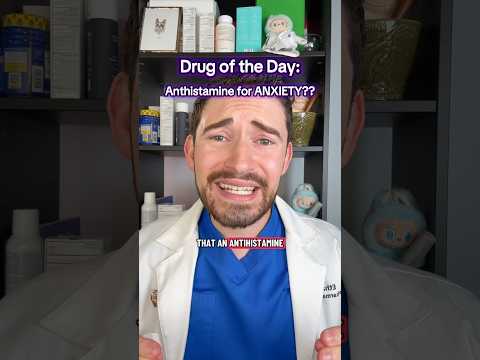
So, let’s chat about something that’s been a game changer for a lot of folks dealing with anxiety. You’ve probably heard of hydroxyzine hydrochloride, right? It’s kind of like that quiet hero in the world of anxiety meds.
You know how sometimes life just feels a bit too overwhelming? Like when your mind is racing, and everything feels like too much? Well, that’s where this medication can step in and help calm things down.
It’s not a cure-all or anything fancy, but it can ease that knot in your stomach—at least for some people. And hey, it’s always good to know about different tools in the toolbox, especially when it comes to mental health.
So, if you’re curious about how hydroxyzine works and its role in finding some relief from anxiety, stick around! We’re gonna break it down together.
Understanding Hydroxyzine: How It Can Alleviate Anxiety Symptoms
Hydroxyzine is one of those medications that might pop up if you’re chatting with someone about anxiety. You know, it’s not super famous like some other anxiety meds, but it can really be a lifesaver for some folks. So let’s break this down a bit.
What is Hydroxyzine? It’s an antihistamine that’s often used to treat allergies, but here’s the kicker: it works wonders for anxiety too. When you take it, it acts on your brain’s histamine receptors, which can help calm you down. So, if you’re feeling on edge or anxious about something—like a big presentation or even just life in general—it might help ease those feelings.
Hydroxyzine doesn’t just jump in and make everything feel better; it takes a little time to kick in. Usually, you’ll start feeling its effects within 30 minutes to an hour after taking it. That’s pretty quick compared to some meds out there that want you to wait weeks before sensing any changes.
Another thing to keep in mind is how Hydroxyzine can be used. It’s often prescribed for short-term situations or as needed rather than taken every single day. So if you’ve got an event coming up that makes your stomach twist into knots or something similar, your doc might suggest this as a handy option.
Now let me hit you with some key details:
- Dosage: The amount you take will vary based on your specific needs and how well you tolerate the medication.
- Side effects: Like any other med, Hydroxyzine has side effects—some common ones are drowsiness and dry mouth.
- Interactions: If you’re taking other medications, definitely check with your doctor because Hydroxyzine can interact with certain drugs.
I remember a friend of mine who used Hydroxyzine during college finals when anxiety was through the roof. She said it helped her focus without feeling like she was drowning in stress. Of course, everyone reacts differently—what worked for her might not work for someone else.
So yeah, while Hydroxyzine isn’t the holy grail of anxiety relief, it’s certainly got its place in the toolbox. If you’re curious about whether it’s right for you, having an open chat with your healthcare provider can open doors to finding what works best for your mental health journey!
Understanding the Safety of Taking Librium and Hydroxyzine Together: What You Need to Know
Understanding the Safety of Taking Librium and Hydroxyzine Together
When it comes to managing anxiety, you might hear about different medications like Librium and hydroxyzine. They can be helpful, but what happens when you combine them? Let’s break this down in a simple way.
Librium, or chlordiazepoxide, is a medication mainly used for anxiety and alcohol withdrawal. It belongs to a class of drugs called benzodiazepines. These meds work by calming your brain activity, which can be super helpful if you’re feeling anxious, you know? On the other hand, hydroxyzine is an antihistamine that helps with anxiety too, but it’s often used for allergies or to help with sleep.
Now here’s where it gets interesting: using Librium and hydroxyzine together can increase the risk of side effects. Both medications have sedative properties. This means they can make you feel sleepy or drowsy on their own—together, they could amplify that effect. You might find yourself feeling more tired than usual or having trouble concentrating.
Here are some important points to consider:
- Consult Your Doctor: Always talk to your healthcare provider before combining these meds. They’ll check if it’s safe based on your personal health history.
- Watch for Side Effects: Mixing these can lead to increased drowsiness, confusion, or even trouble breathing in extreme cases—yikes!
- Dosing Matters: If prescribed both meds, your doctor will likely adjust dosages to minimize risks.
- Avoid Alcohol: Alcohol can worsen the sedative effects—seriously not a good combo.
Imagine someone who struggles with anxiety. They start taking Librium but still have intense episodes—even with the meds helping somewhat. So their doc suggests hydroxyzine for those tough moments as needed. You see how easy it could be for them to feel overly relaxed or spaced out when mixing these two?
In general, safety first! The main takeaway here is that while both medications can help manage anxiety separately, combining them requires caution and guidance from your doctor. If you’re considering this approach—or currently doing it—make sure you’re regularly communicating with your healthcare team about how you’re feeling.
Pay attention to your body! If something feels off when taking either med—or especially if both are involved—don’t hesitate to reach out for support.
Is Hydroxyzine Safe? A Comprehensive Guide to Its Uses and Side Effects
So, you’re curious about Hydroxyzine, huh? It’s one of those medications people turn to when they’re dealing with anxiety or just need some help calming down. Let’s break it down in a way that makes sense, alright?
What is Hydroxyzine? This medication is mainly used as an antihistamine, which means it helps with allergies. But here’s the twist: it’s really effective for anxiety relief too! It works by affecting certain chemicals in your brain that can lead to feelings of calmness.
Now, when it comes to safety, it’s good to know that Hydroxyzine is generally considered safe for most people. However, like any medication, there are some things you should be aware of.
Common Uses:
- It helps with anxiety relief—great for those moments when you feel overwhelmed.
- Doctors might prescribe it before surgery to lessen anxiety.
- It can also help treat itching caused by allergies or other skin conditions.
But hold up! Just because it’s safe doesn’t mean it’s without risks or side effects. There are a few things you should watch out for.
Possible Side Effects:
- Drowsiness: This one is pretty common. Hydroxyzine can make you feel sleepy, which might not be ideal if you have stuff to do.
- Dizziness: Some people might feel a bit lightheaded after taking it.
- Dry Mouth: You might notice your mouth feels a bit parched; keeping water handy could help!
Most folks tolerate Hydroxyzine pretty well. But if you’re feeling persistently drowsy or any weird side effects, definitely hit up your healthcare provider.
You know how sometimes people panic about taking new meds? That was me once! I remember trying a new anxiety med and just feeling like ‘what now?’ But then I learned how they could really help when used properly.
That said, if you’ve got certain health issues—like heart problems or liver issues—let your doc know before starting on Hydroxyzine since those could play into how the medication affects you.
In the end, while Hydroxyzine has its perks for managing anxiety and allergies alike, it’s super important to chat with your doctor first. They can give you the best advice on whether this med is right for you and make sure you’re using it safely. Just remember: knowledge is power when it comes to managing your mental health!
So, hydroxyzine hydrochloride—it sounds all medical and fancy, right? But really, it’s just a medication that some folks take for anxiety. You know how sometimes stress can hit you like a ton of bricks? Well, hydroxyzine is one of those options that can help lighten the load a bit.
When I think about anxiety relief, I remember a friend who had been dealing with overwhelming feelings before big events. It was like every time she had to give a presentation or go to a social gathering, her heart would race and her hands would get all sweaty. That feeling can totally rob you of joy. She tried therapy, which was great and all, but sometimes she needed something to calm her mind in the moment. That’s where hydroxyzine came in.
Now, hydroxyzine is an antihistamine—yup, the same stuff you take for allergies! But here’s the kicker: it also has sedative properties. So while it’s busy fighting off sneezes and itchy eyes, it also helps chill you out when anxiety starts knocking at your door. It’s not like popping a pill means you’re suddenly carefree. Rather, it can help take the edge off just enough so you feel more grounded.
But here’s the thing: meds like hydroxyzine can have side effects. Some people get drowsy or feel kinda foggy after taking it. That might be fine if you’re heading home after work but not great if you’ve got things to do! Plus, it’s always crucial to consider what works best for your unique situation.
It also should be noted that this isn’t necessarily a long-term solution. It’s more like having an umbrella on standby when rain threatens; you’re not going to use it every single day but having it handy sure helps during those stormy moments.
So for anyone struggling with anxiety—whether it’s social situations or daily life stressors—hydroxyzine could be worth considering as part of your toolkit. Just remember: chat with your doctor about any concerns or questions! Everyone’s journey is different, and finding what works best for you is key.