Hey, you know those days when you just can’t seem to shake off that heavy feeling? Like, you wake up after a solid night’s sleep and still feel like a walking zombie?
Well, that feeling might be more common than you think. It’s called hypersomnia, and it’s not just about needing more shut-eye.
Imagine trying to get through your day but your brain’s in slow-mo. Seriously, it’s frustrating! Let’s dig a little into what hypersomnia really is and how it messes with our lives. You ready?
Understanding the Difference: Is Excessive Sleepiness the Same as Hypersomnia?
So, let’s talk about excessive sleepiness and hypersomnia. These terms can get a bit tangled up, but they’re not quite the same thing. You know how sometimes you just feel really tired all day but can’t figure out why? That’s where understanding some differences comes into play.
Excessive sleepiness is basically that overwhelming urge to sleep, even when you shouldn’t be feeling that way. It often pops up when you’ve had a rough night or maybe didn’t catch enough Zs for a while. Picture that one time you binge-watched a show until 3 AM and then struggled to stay awake at work the next day. You’re fatigued, maybe cranky, and battling to keep your eyes open.
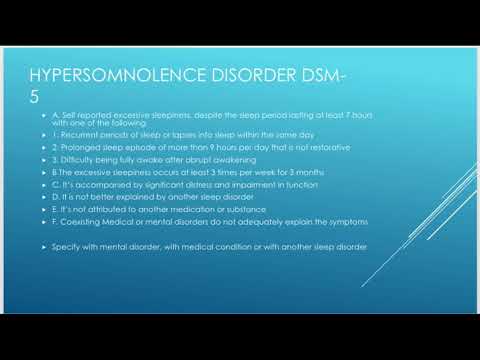
On the other hand, hypersomnia is more of a clinical term. It refers to a condition where someone sleeps excessively long or feels sleepy throughout the day despite getting enough sleep at night. Imagine waking up after 9 full hours of shut-eye and still feeling like you just can’t get out of bed. You feel groggy and it’s like you’re in a fog all day—it’s not just about having had a late night; it’s deeper than that.
Let’s break it down even more:
- Duration: Excessive sleepiness usually occurs temporarily—like after pulling an all-nighter—while hypersomnia is often chronic.
- Causation: The reasons behind excessive sleepiness can vary from lifestyle choices to health issues, whereas hypersomnia might be linked to conditions like narcolepsy or certain medications.
- Impact on daily life: While both can affect how you function in daily activities, hypersomnia tends to have more persistent effects on your social life and work performance.
You ever notice how some people can nap like it’s their job? That’s another sign—it might be fun for them, but if it’s happening too much during the day without feeling rested afterward? That could lean more into hypersomnia territory.
In short, while both excessive sleepiness and hypersomnia revolve around feeling tired or wanting to snooze, they come from different places and have different vibes altogether. If your tiredness feels extreme or never-ending, it might be worth talking with someone who gets these things—like a doc or mental health pro. They can help figure out what’s going on so you don’t have to feel like a zombie every day!
Effective Strategies to Stay Awake with Idiopathic Hypersomnia: Tips for Better Alertness
So, let’s talk about idiopathic hypersomnia. If you’re dealing with this condition, you probably know the struggle of feeling extra sleepy, even after getting what should be enough sleep. It’s like your body just won’t cooperate, right? The good news is there are some strategies you can try to help boost your alertness and keep you from dozing off randomly.
First off, understanding your sleep schedule is super important. Try to stick to a regular sleep routine. Go to bed and wake up at the same time every day; it helps regulate your body’s internal clock. Seriously, even on weekends! It sets a rhythm that can make a big difference.
- The power of napping: Short naps can actually help! A quick power nap of about 20 minutes can recharge your batteries without leaving you groggy.
- Bright light therapy: Getting lots of natural light during the day helps signal to your brain that it’s time to be awake. Open those curtains wide!
- Caffeine in moderation: A little caffeine can give you that much-needed boost. Just don’t overdo it or drink it too late in the day; otherwise, it might mess with your sleep cycle.
- Stay active: Regular physical activity is crucial. Exercise increases blood flow and energy levels. Even a short walk can snap you out of that sleepy fog.
- Diet matters: Eating small, balanced meals instead of heavy ones throughout the day can help keep energy levels steady. Foods high in fiber and protein are great for this!
I remember a friend who used to struggle with staying awake during lectures because of hypersomnia. They started incorporating short walks between classes and found their focus improved significantly! Just changing things up made all the difference.
If you’re working or studying, consider taking regular breaks. This is not just for getting up but also for stretching or moving around a bit; it rekindles alertness and keeps monotony at bay. And while we’re on that topic—don’t forget about hydration! Dehydration can lead to fatigue, so drink water regularly.
Your mental health plays a huge role too. Mindfulness techniques or deep-breathing exercises can really help clear brain fog when you’re feeling zonked out. It’s all about keeping those brain gears turning smooth as butter!
A note on medications: while some people find they need them for severe symptoms, not everyone will react the same way with meds like stimulants or wake-promoting agents. Talk to your healthcare provider about what might work best for you—it’s personal.
The thing is, finding effective strategies takes some experimenting—what works wonders for one person may not do much for another. Keep trying until you hit on what makes you feel more alert and alive throughout the day! Stay positive; managing idiopathic hypersomnia won’t always be easy but taking small steps daily can lead toward better days ahead.
Understanding Hypersomnia: The Psychological Condition Most Closely Linked to Excessive Sleepiness
Hypersomnia might sound like just another fancy term for being sleepy, but it’s way more complex than that. Basically, it’s a condition where you feel overly sleepy during the day, even after getting what should be a full night’s sleep. It can seriously mess with your daily life. Think about nodding off at work or school—it’s not just embarrassing; it can affect your performance and relationships.
So, what exactly causes hypersomnia? Well, there are two main types: primary and secondary. Primary hypersomnia isn’t linked to other medical conditions and tends to pop up on its own. You might think of it as a brain that’s just really good at snoozing—but not so great at waking up!
On the flip side, secondary hypersomnia is related to other problems like sleep apnea or depression. Imagine feeling so exhausted because your sleep is constantly disrupted; it’s like trying to run a marathon with ankle weights on.
Now, let’s talk symptoms. Besides that overwhelming feeling of drowsiness, you might also experience issues like:
- Difficulty waking up: You know those mornings when your alarm goes off and it feels like you’ve only been asleep for five minutes? That’s a common experience.
- Long naps: Some people with hypersomnia find themselves needing long naps throughout the day—sometimes lasting hours!
- Cognitive fog: Ever feel like you’re in a daze or have trouble focusing? That mental cloudiness can hit hard.
But here’s the kicker: hypersomnia doesn’t just sap your energy; it can also lead to anxiety and depression over time. Feeling constantly tired can drain your motivation and happiness levels. Like Sarah, who I once talked to—she had gone from vibrant and social to isolating herself because she couldn’t keep her eyes open long enough to enjoy anything.
Diagnosis? That can be tricky! A doctor will usually rely on your history of sleep patterns along with some tests—like polysomnography (a fancy term for an overnight sleep study) or actigraphy (which looks at movement patterns during sleep). They’ll want to rule out other conditions before giving you the hypersomnia label.
Treatment varies depending on what type you’re dealing with. For primary hypersomnia, some might benefit from medications that help stimulate wakefulness—think of them as little wake-up calls for your brain. If it’s secondary due to underlying issues like depression or anxiety, treating those conditions could improve symptoms significantly.
Ultimately, understanding hypersomnia isn’t just about knowing how much sleep you should get; it’s about recognizing how deeply this condition affects every part of life from work productivity to personal relationships—and that awareness is key! So if you ever find yourself fighting off Z’s while everyone else is wide awake, well—you’re definitely not alone in this struggle!
You know, hypersomnia can really throw a wrench in your daily life. It’s like you’re living in this constant haze where sleep just seems to take over. I mean, everyone gets tired sometimes, right? But with hypersomnia, it’s way beyond that. You can sleep for hours, even a whole day, and still feel like you haven’t slept a wink. And if that isn’t frustrating enough, it can really start messing with your mood and motivation.
I remember chatting with my friend Jenna who struggled with this for years. She’d wake up feeling like she was still dreaming, dragging herself through the day as if she were stuck in molasses. Sleepiness would hit her at the most inconvenient times—during meetings or while hanging out with friends. It’s heartbreaking to see someone you care about miss out on life simply because their body can’t keep up.
So here’s the thing: hypersomnia isn’t just about needing more sleep. It can be linked to depression or anxiety, or even conditions like narcolepsy. It’s like your brain is sending you mixed signals—hey, I need more rest! But wait, what if that rest doesn’t actually help? That confusion can be overwhelming.
And then there’s the social aspect, too. People often misunderstand hypersomnia as laziness or lack of willpower. That stigma adds another layer of stress for those affected. They might feel isolated because they can’t explain why they’re always so tired when they genuinely want to participate in life.
Now think about therapy options for people dealing with this condition—it’s not one-size-fits-all! Sometimes cognitive behavioral therapy (CBT) helps by addressing negative thought patterns that come up around their sleep issues. Other times it might be about finding the right medication to balance things out without feeling spaced out all day long.
Honestly, it takes time to figure out what works best for each person and to truly understand how they’re feeling inside. So many people feel alone in their struggles with excessive sleepiness when really it’s an issue many face but maybe don’t talk about enough.
At the end of the day, having a conversation about hypersomnia might make all the difference—not just for someone battling it but also for friends and family who want to understand and support them better. You never know how much sharing experiences can help lift that fog just a little bit!