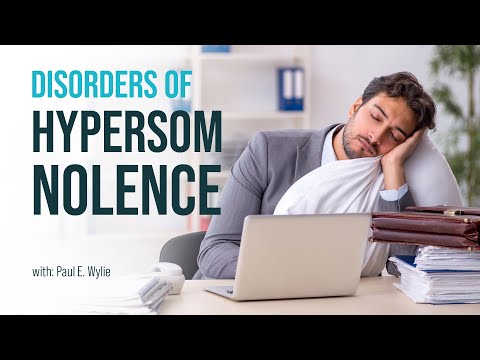
You know those days when all you wanna do is sleep? Yeah, we all have them. But what if that feeling doesn’t go away? That’s hypersomnolence for you—when sleep just won’t let go.
Imagine waking up, feeling like you’ve barely rested. You try to shake it off, but it lingers. It’s exhausting and can really mess with your head.
So what’s the deal with this sleepiness? And how does it play tricks on your mind? Let’s unpack those questions together and see how this thing impacts not just your energy but your feelings and mindset, too. You ready?
Effective Treatments for Hypersomnia-Related Depression: Find Relief and Restore Your Energy
Certainly! Hypersomnia can really take a toll on your mental health, especially when it’s linked to depression. If you’ve ever felt sluggish no matter how much you sleep, you know how frustrating that can be. Let’s break down some effective treatments that could help you find relief.
Understanding Hypersomnia and Its Connection to Depression
Hypersomnia isn’t just about falling asleep during the day. It’s a chronic condition where even after long hours of sleep, you still feel tired and out of it. This constant fatigue can lead to feelings of hopelessness and sadness, which are often signs of depression. So, addressing the sleep issues is key to lifting those dark clouds.
Medications
One of the first steps for treatment usually involves medications. For hypersomnia-related depression, doctors might prescribe stimulants, like modafinil or amphetamines. These can help boost alertness and counteract that overwhelming drowsiness. But it’s not just about staying awake; some antidepressants might also be part of the mix since they address both mood and sleep patterns.
Cognitive Behavioral Therapy (CBT)
And then there’s therapy—especially Cognitive Behavioral Therapy (CBT). This approach teaches you ways to change negative thought patterns that contribute to depression. You learn skills to manage your mood and better cope with the exhaustion that comes with hypersomnia. Have you ever tried talking things through with someone? It really helps put things into perspective!
Lifestyle Changes
Don’t underestimate lifestyle changes either! Regular exercise can boost your energy levels and improve your mood. Even a brisk walk can do wonders. Pairing physical activity with good sleep hygiene is golden—you know, like sticking to a sleep schedule and creating a restful environment at night.
Healthy Sleep Habits
Speaking of sleep hygiene, it’s crucial in managing hypersomnia-related issues. Try winding down before bed without screens; comfort yourself with calming routines like reading or listening to soft music. Keeping your room dark, quiet, and cool can also signal your brain that it’s time for shut-eye.
Nutritional Support
Your diet plays a role too! Foods rich in omega-3 fatty acids, whole grains, fruits, and veggies keep your body fueled throughout the day—not only helping you feel better physically but also mentally. You want those nutrients working for you!
Meditation and Mindfulness
Lastly, consider meditation or mindfulness practices. These methods promote relaxation by calming an overactive mind—something that’s super helpful when you’re feeling down about being so tired all the time.
So yeah, if you’re dealing with hypersomnia-related depression, remember there are various paths to relief! Whichever route resonates more closely with you—medication, therapy, or lifestyle tweaks—don’t hesitate to reach out for support from healthcare professionals who get it! Finding what works best often takes time but hang in there; regaining control over your energy levels is totally worth it.
Understanding Idiopathic Hypersomnia: Causes, Symptoms, and Management Strategies
Understanding idiopathic hypersomnia can feel like navigating a maze, right? You know, it’s not just about feeling sleepy all the time. There’s a lot more to it. Let’s break it down.
What is Idiopathic Hypersomnia?
It’s this sleep disorder where you feel super sleepy during the day, even after getting enough sleep at night. The tricky part? You can’t pinpoint a specific cause. Unlike other conditions that have clear reasons, like sleep apnea or narcolepsy, idiopathic hypersomnia doesn’t fit neatly into a box.
Causes
The causes are still kind of a mystery. Some scientists think it could be linked to genetic factors, brain chemistry issues, or maybe something going on with how your body regulates sleep. But here’s the kicker: no one really knows for sure. It’s frustrating not having clear answers.
Symptoms
If you’re dealing with this condition, your life might look something like this:
- Excessive daytime sleepiness: You could find yourself falling asleep in the middle of conversations or while doing something boring.
- Long nighttime sleep: Many people might spend 10 hours or more asleep but still wake up feeling tired.
- Sleepless episodes: You might fall asleep for extended periods during the day, often without realizing it.
- Cognitive fog: This is when your brain feels heavy and you struggle to concentrate or remember things.
Imagine waking up after what you thought was a solid night of rest—only to feel like you hadn’t slept at all. It can mess with everything: work, relationships—your whole vibe.
Psychological Effects
Now let’s chat about how this all hits your mental health. Being constantly tired isn’t just annoying; it can lead to anxiety and depression. You might start feeling isolated because let’s face it; who wants to hang out when you’re half-asleep? And when people don’t understand what you’re going through, that loneliness can feel even heavier.
Management Strategies
So if you’re thinking about tackling idiopathic hypersomnia—or helping someone who is—here are some strategies that could help:
- Sleep hygiene: This means sticking to a sleep schedule and creating a cozy bedtime routine that signals to your body it’s time to wind down.
- Caffeine moderation: Some find that small amounts of caffeine can help boost alertness but overdoing it may backfire and mess with sleep cycles.
- Naps: Short daytime naps may help recharge your batteries without making nighttime sleeping harder.
- Treatment options: Medications prescribed by doctors—like stimulants—can sometimes improve symptoms but should be approached carefully.
Some folks find therapy beneficial too! Talking things out can lighten the load of emotional struggles that come with being so tired all the time.
Understanding Hypersomnia and Depression: Insights from Reddit Discussions
Understanding hypersomnia and depression can be a heavy topic, but it’s super important if you or someone you know is dealing with these issues. So, let’s break it down using insights from Reddit discussions, where folks often share their real-life experiences.
Hypersomnia is more than just feeling sleepy all the time. It can take over your life. According to many Reddit users, it’s that feeling of extreme tiredness that doesn’t go away even after a good night’s sleep. Imagine waking up and wanting to crawl back under the covers for a few more hours—every single day.
When hypersomnia hits, it often comes hand-in-hand with depression. People describe this weight on their chest, like they’re walking through mud every day. Depression can sap any joy out of things, making it hard to muster up the energy to do anything at all.
Some common themes pop up in discussions about these two conditions:
- Sleep patterns: People often report sleeping excessively but still feel exhausted. It’s frustrating because they think more sleep should equal feeling better.
- Lack of motivation: When you’re stuck in hypersomnia, everything feels like a chore. Even simple tasks can seem monumental.
- Cognitive fog: A lot of folks talk about struggling to focus or remember things. It’s like trying to think through a thick mist.
- Social withdrawal: Many people mentioned pulling away from friends or family because they simply don’t have the energy to engage.
One Redditor shared how they felt trapped in a cycle: they’d sleep for 12 hours but then still feel like sleeping during the day. It was like their body was saying “nope” to everything else—their social life, hobbies, and even work were taking a dive.
And then there are the side effects of medication. Antidepressants and other treatments can also lead to increased drowsiness for some people. It can be quite the balancing act—finding something that helps your mood without knocking you out all day.
Opening up about these feelings on platforms like Reddit lets people feel less isolated in their struggles. You realize tons of others share similar experiences—or have different coping strategies that might actually help!
If you’re looking at dealing with hypersomnia and depression, remember it’s okay not to feel okay all the time—and sharing your experiences can lead to understanding and support from others who get what you’re going through.
So yeah, comprehending hypersomnia alongside depression isn’t straightforward; each person has their own story and way of coping with it all!
So, hypersomnolence, huh? It’s one of those things that doesn’t get enough airtime, you know? Basically, it’s all about excessive sleepiness during the day. Not just feeling a little drowsy here and there—I’m talking about falling asleep when you’re not even trying to. This condition can totally mess with your life.
Imagine trying to hold a conversation with someone while you’re nodding off. I remember a friend of mine who used to doze off in meetings at work. It was awkward for everyone involved! One minute he’d be answering questions, and the next he’d be catching Z’s like it was nobody’s business. That left him feeling embarrassed and frustrated. These feelings can be really tough to deal with because it’s not just about being tired; it affects your confidence and social life too.
The psychological effects can be pretty wild as well. You might think that being constantly sleepy is just annoying or inconvenient, but it can spiral into something deeper, like anxiety or depression. Your brain isn’t getting the rest it needs, which makes everything seem more overwhelming. I mean, picture trying to function on little sleep while juggling work deadlines or family obligations; it’s a recipe for stress.
People might not realize this struggle is real—it’s not just laziness! Often, they’ll feel pressure to keep up with others who seem high energy, making them feel more isolated when they can’t match that vibe. The impact on self-esteem can really swing both ways: you start doubting yourself because you’re comparing your sleepy self against those buzzing around you like their batteries are always charged.
But here’s the thing: understanding hypersomnolence better is key. It’s crucial to talk about how people handle this in therapy or even through support groups where they can share experiences without fear of judgment. That connection makes such a difference! Finding the right strategies and support system might help turn things around—getting better sleep hygiene practices in place or simply being kinder to yourself when you’re struggling.
So yeah, hypersomnolence isn’t just a quirky trait; it’s something that deserves attention for its emotional and psychological impacts. It’s definitely time we give it some serious thought!