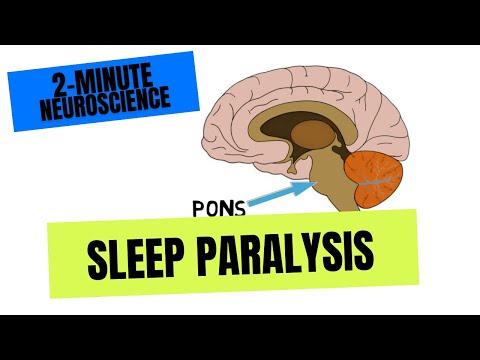
You ever wake up and feel frozen in place, like you just can’t move?
Or maybe you’ve seen bizarre shapes and shadows dancing around your room right before drifting off?
That’s hypnagogia and sleep paralysis for you.
It’s like your brain takes a little detour on its way to dreamland, blending the edges of sleep and wakefulness.
Sometimes it’s kind of scary, sometimes it’s just plain weird.
But honestly, it’s all part of this crazy, mysterious mind of ours.
Let’s dig in and see what’s going on with those funky experiences in our heads.
Exploring the Connection Between Sleep Paralysis and Hypnagogia: What You Need to Know
Sleep paralysis and hypnagogia are two pretty interesting phenomena that happen when you’re drifting in and out of sleep. If you’ve ever found yourself awake but unable to move, you probably experienced sleep paralysis. And if you’ve noticed bizarre visions as you’re transitioning from wakefulness to sleep, that’s hypnagogia kicking in. Let’s unpack the connection between them.
Sleep Paralysis: It occurs during the transition between wakefulness and sleep, often when falling asleep or waking up. You might feel like you’re awake but can’t move or speak for a few seconds or even minutes. Seriously, it’s terrifying! Some people report a feeling of pressure on their chest or even see shadowy figures in the room.
Hypnagogia: This is that strange space just before you fall asleep. You know how your mind can throw out random images? That’s your brain buzzing with activity as it shifts gears into sleep mode. You may hear sounds or have vivid dreams that blur the line between reality and fantasy.
So, what’s the link? Well, both experiences happen during that weird overlap of sleep and wakefulness. When your body enters REM (rapid eye movement) sleep — where most dreaming occurs — your muscles become temporarily paralyzed to prevent you from acting out your dreams. That’s where things get tricky: if you wake up before this paralysis wears off, you’re left wide awake but stuck in your body.
- Common Triggers: Stressful events, irregular sleeping patterns, or even sleeping on your back can make these episodes more likely.
- Cultural Context: Many cultures have their own myths about sleep paralysis; some see it as a spiritual experience while others attribute it to demons!
Many folks report having hallucinations during sleep paralysis episodes that resemble hypnagogic imagery—like feeling a presence in the room. Imagine being stuck there, unable to talk while seeing shadows creep closer… It’s no wonder people find this unsettling!
If we take a step back here—hypnagogia isn’t inherently scary; it’s just our brain’s way of letting go of control as we drift into dreamland. But for those with anxiety or previous trauma, it can turn into something distressing.
Managing These Experiences: If you’re dealing with frequent episodes, establishing a bedtime routine might help ease the transition into sleep. Also consider keeping stress levels in check; yoga and meditation could be good for this.
In summary: Sleep paralysis and hypnagogia are intimately linked through that tricky phase between being awake and asleep. Both can be unnerving but understanding them better offers reassurance that they’re not uncommon—and often harmless. Remembering what brings them on plays a huge role in handling these experiences when they come knocking at night!
Exploring the Spiritual Meaning of Hypnagogia: Unlocking Insights from the Transitional State
Hypnagogia is that trippy zone we slip into as we drift off to sleep. It’s that sweet spot between wakefulness and sleep where your mind starts to create some pretty wild stuff. You might see visions or hear sounds, and sometimes it can feel spiritual or otherworldly. So, what’s the deal with the spiritual meaning behind all this?
When you explore hypnagogia, you’re really diving into a transitional state of consciousness. It’s like a bridge connecting the known world to the dream realm. Many folks report having profound insights during these moments. You know that feeling when you’re almost asleep, and then suddenly you think of something super important? Well, that’s your brain firing away in this unique space.
Spiritual Insights often arise in hypnagogia because it’s when our subconscious mind is most active. It can feel like tapping into deeper wisdom or creativity that we didn’t even know was there. Some people have described these experiences as a connection to something bigger—like the universe is giving them a nudge or revealing hidden truths.
But here’s where it gets interesting: Hypnagogia can sometimes overlap with sleep paralysis, where you wake up but can’t move, feeling trapped in your own body for a moment. This experience freaks a lot of people out, but many also report seeing visions or feeling intense emotions during these episodes.
What if those experiences aren’t just random? Some believe they’re messages or insights from our deeper self—or maybe even from something beyond us! Consider this thought:
Being aware of these moments can help foster spiritual growth and self-discovery. For example, I had this one time where I was in between sleep and wakefulness—I saw colors swirling around and felt an overwhelming sense of peace wash over me. It was like I got a glimpse into my own soul for just a second!
So yeah, while hypnagogia is often seen simply as a quirky sleep phenomenon, it may also hold some deep meanings about who we are and what we want. There’s definitely more going on than meets the eye—or should I say meets the mind?
In short, embracing these weird transitions might just unlock insights you didn’t know you needed—connecting your everyday life with something far more significant than yourself. Next time you’re drifting off, maybe pay attention to those moments; who knows what treasures lie waiting just beyond the edge of consciousness?
Understanding Hypnagogia: Is It a Mental Illness or a Natural Sleep Phenomenon?
Hypnagogia is that dreamy, trippy space you drift into when you’re on the verge of falling asleep. It’s that weird limbo where your mind runs wild, and it can be both fascinating and a little unsettling. So, is hypnagogia a mental illness or just a natural thing our brains do? Let’s break it down.
What is Hypnagogia?
Hypnagogia happens in that brief period between being awake and drifting off to sleep. You might start hearing sounds that aren’t there or even see flashes of light. Sometimes people describe it as a surreal experience, like your brain is playing tricks on you before you enter dreamland.
Natural Sleep Phenomenon
Most sleep experts agree that hypnagogia isn’t classified as a mental illness. It’s a natural part of the sleep process. In fact, many people experience it at some point in their lives—especially when they’re sleep-deprived or stressed. So if you’re seeing funky shapes or hearing whispers as you close your eyes, don’t worry; it’s quite common!
The Link to Sleep Paralysis
Now, here’s where things get interesting (and sometimes a bit frightening). Hypnagogia can be closely related to sleep paralysis. You know, that creepy feeling when you’re awake but can’t move? Yeah, not fun at all. During this state, some folks also experience hallucinations—like sensing an ominous presence in the room—which can be tied back to those hypnagogic experiences.
- Normal vs Disturbing: While hypnagogic imagery is often harmless and even creative for some people, it can become distressing if accompanied by sleep paralysis.
- Anxiety Factor: If you’re someone who deals with anxiety or insomnia, these experiences might feel more intense.
Anecdote Time!
I once had a friend who described lying in bed one night and suddenly felt like she was floating above her body—sounds cool at first glance! But then she couldn’t move or scream as she heard someone whispering her name. Total freak-out moment! She later learned that this was just her brain doing its thing during hypnagogia mixed with some sleep paralysis.
The Takeaway
So basically, hypnagogia is not something to stress over. It’s a completely normal part of transitioning into sleep for many people. However, if you’re finding yourself frequently faced with panic-inducing episodes of sleep paralysis combined with these hallucinations—and it’s affecting your quality of life—it could be worth chatting with a professional about it.
Hypnagogia shows how wonderfully complex our brains are while we journey into slumber! And while it’s fascinating to explore these mind states, it’s always best to prioritize good sleep habits for overall mental health.
Ever had that strange moment when you’re half-awake, half-asleep, and everything feels just a little off? Like you’re seeing things that aren’t there or feeling pressure on your chest but you know you’re in your bed? That’s hypnagogia for you. It’s this weird state right between wakefulness and sleep where your brain kinda goes wild with images and sensations.
I remember one time trying to drift off after a long day. Suddenly, I felt this weight on me, like someone was sitting on my chest. I thought, “Is this real?!” There were flashes of shadows moving around my room. It freaked me out! Turns out I was experiencing sleep paralysis, something that can happen when you wake up but your body hasn’t caught up yet. Just totally bizarre.
Hypnagogia is fascinating because it’s like a window into our minds. You might see shapes or hear sounds that just aren’t there—it’s such a creative space! Artists and writers have reported having some of their best ideas during these twilight moments before sleep takes over completely. So while it can be scary when it shows up uninvited with those creepy sensations, it also has a bit of magic to it for some folks.
Sleep paralysis often tags along with hypnagogia. It’s uncomfortable at best and terror-inducing at worst when you realize you can’t move or speak. It’s not uncommon though; many people have episodes at least once in their lives—well, isn’t that comforting? But really, what’s happening is your mind has woken up but your body is still deep in slumber mode. You’re caught in this limbo where fear might creep in as the brain starts processing some wild dreams while being aware of reality at the same time.
So what do we do about it? Well, many say keeping a regular sleep schedule helps a ton. And trust me, creating a wind-down routine can ease the transition into sleep too—it makes all the difference. Just imagining winding down with cozy music or reading something light before hitting the hay can steer you clear of those spooky experiences.
In the end, hypnagogia and sleep paralysis are like two sides of an odd coin: one draws from creativity and imagination while the other reminds us how fragile our grip on reality can feel sometimes when we’re at our most vulnerable—sinking into sleep or waking from its depths. So if you’ve ever found yourself stuck between those worlds, know you’re not alone; just another quirk of being human!