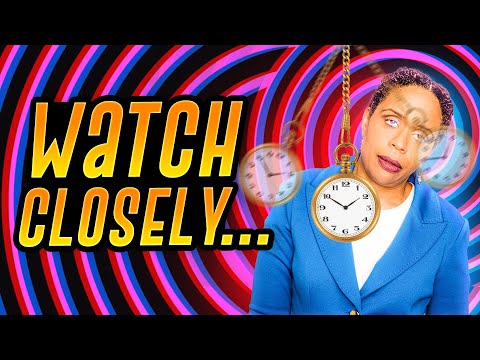
You know those days when everything feels heavy? Like you’re dragging around an anchor or something? Yeah, that’s what depression and anxiety can feel like. It’s exhausting, right?
Now, imagine being able to let go of all that weight. Hypnotherapy might just be the ticket for some people. I know, it sounds a bit out there. But here’s the thing: it’s not about swinging pocket watches or anything goofy like that.
It’s more about tapping into your mind and helping you find a little peace. Seriously! A lot of folks are curious about how this whole thing works. Can it really help with those pesky feelings of sadness and worry? Let’s dig into this together!
Exploring the Effectiveness of Hypnotherapy for Treating Depression and Anxiety
So, hypnotherapy. It sounds a bit like something outta a movie, doesn’t it? You know, someone waving a pocket watch in front of you while you’re in a trance. But let’s clear that up: it’s much more than just theatrics. Hypnotherapy is actually used as a tool to help tackle issues like **depression** and **anxiety**. And hey, if you’re curious about how effective it really is, let’s break it down.
First off, what is hypnotherapy? Well, it’s basically a type of therapy that uses **guided relaxation and focused attention** to help you achieve a state of heightened awareness. Kinda like daydreaming but with purpose. When you’re in this state, your mind can be more open to suggestions or exploring thoughts and feelings that might be tough to face when you’re fully awake.
Now, people often wonder if this really works for depression and anxiety. The answer isn’t black and white. Some research suggests that hypnotherapy can help alleviate symptoms by addressing the underlying issues causing the feelings of sadness or worry. Think about it like this: if your mind can focus on deeper emotions during hypnosis, you might find new perspectives on what’s bothering you.
Here are some key points on its effectiveness:
- Reduced Symptoms: Several studies have shown reductions in anxiety and depression symptoms after hypnotherapy sessions.
- Enhanced Coping Skills: It can assist you in developing better coping strategies for stressors.
- Personal Insight: The process might lead to insights into your behavior patterns or past experiences influencing your mental health.
For example, imagine someone dealing with anxiety about public speaking. Through hypnotherapy, they might revisit moments when they felt confident in front of an audience or even tackle the root fear behind their anxiety—maybe they were teased as kids? Understanding those triggers could seriously change how they approach speaking events.
But let’s keep it real! Hypnotherapy isn’t a one-size-fits-all solution. While some people find it incredibly helpful—like my friend who managed to work through her panic attacks—others may not feel much change at all. It depends on various factors such as your openness to the process and how deep-rooted those emotions are.
Also worth noting is that hypnotherapy should ideally be paired with other therapies or treatments for maximum effect—like cognitive-behavioral therapy (CBT) or medication if needed. It’s kinda like having multiple tools in your toolbox; sometimes one tool just won’t cut it.
So there you have it—hypnotherapy has potential but also limitations when dealing with depression and anxiety. If you’re considering giving it a shot, chat with a professional who knows their stuff! They can guide you through if it’s right for where you’re at right now.
Exploring the Effectiveness of Self-Hypnosis in Managing Anxiety: Does It Really Work?
So, let’s chat about self-hypnosis and how it plays into managing anxiety. You might be thinking, “Isn’t that just some kind of magic trick?” But really, it’s more about using relaxation techniques and visualization to help control your mind and emotions. Sounds interesting, right?
First off, what’s self-hypnosis? It’s basically a way to get into a super relaxed state where you can focus your mind. Think of it like daydreaming but with a purpose. When you’re in this relaxed zone, you’re more open to suggestions that can help shift how you feel about things.
Does it work for anxiety? Well, research suggests that yes, it can be effective for some people. Hypnotherapy has shown promise in reducing anxiety symptoms by helping you change negative thought patterns and responses. It’s not a magic bullet, though—like with any tool in mental health, it works differently for everyone.
Imagine this: You’ve had a long day and your mind is racing with worries—money issues, work stress, or maybe even social anxiety about that upcoming party. Now picture yourself finding a quiet space and taking deep breaths to calm down. You visualize the worries fading away. That’s kind of what self-hypnosis is all about!
Here are some key points worth considering:
- Reduces stress: Self-hypnosis aims to create deep relaxation which can lower overall stress levels.
- Changes thought patterns: It helps reframe negative thoughts into more positive ones.
- No side effects: Unlike medication, self-hypnosis doesn’t come with potential side effects.
- Accessible: You can practice it whenever you need—a handy tool when anxiety shows up unexpectedly!
Now let’s break down those points a bit further. Reducing stress is crucial since high levels of stress can feed into anxiety like crazy. By learning to relax your body and mind through self-hypnosis, you’re giving yourself a fighting chance against those anxious feelings.
Changing thought patterns is another big one. When anxiety takes over, our minds tend to spiral into negative thoughts like “I can’t handle this” or “Something bad will happen.” With regular practice of self-hypnosis techniques, you might find those thoughts becoming less powerful over time.
As for side effects? That’s one thing I hear people love—no need for prescriptions or worrying about feeling groggy later on—it’s just you and your own mind at play!
You might wonder if there’s any evidence behind this stuff? Studies have shown that folks who use hypnotherapy as part of their treatment plan report lower levels of anxiety than those who don’t try these techniques at all.
So here’s the deal: while self-hypnosis isn’t for everyone—it won’t solve all your problems overnight—it can certainly be an effective tool in managing anxiety when used consistently—and honestly—why not give it a shot if you’re curious? You never know!
Effective Coping Skills to Alleviate Anxiety and Depression: Strategies for a Healthier Mind
It’s pretty common to feel overwhelmed by anxiety and depression, right? You know, those moments when everything just feels too heavy? Well, effective coping skills can really help lighten that load. Let’s walk through some strategies that can make a difference.
First up, let’s chat about mindfulness. This is all about being present in the moment. Instead of letting your mind race with worries about the future or regrets from the past, you focus on what’s happening right now. Ever heard of meditation? It’s like training your brain to be still. Just sit quietly and observe your thoughts without judging them. It takes practice, but many find it super helpful.
Next on the list is breathing exercises. Seriously, breathing sounds simple but it works wonders! When you take slow, deep breaths — in through your nose and out through your mouth — you signal your body to chill out. Imagine feeling that tension release as you breathe out all those worries. You can try counting while you breathe: inhale for 4 counts, hold for 4, and exhale for 6.
Another great tool is physical activity. You don’t have to become a gym buff overnight! Even a brisk walk or dancing in your room can help boost those feel-good chemicals called endorphins. Think about how energized or even just a bit clearer your head feels after moving around.
Now let’s dig into something a bit less common but super interesting — hypnotherapy. This approach taps into the power of suggestion while you’re in a relaxed state. It might sound a little strange at first, but many people report feeling more at ease after sessions like these. By addressing underlying issues during hypnosis, it helps some folks manage anxiety and depression symptoms more effectively.
Then there are journaling techniques. Writing down how you’re feeling can be incredibly cathartic. When my friend was grappling with anxiety every night before bed, she started jotting down her thoughts in a journal—like just free writing without worrying about spelling or grammar! It helped her release what was stuck in her head and see things from a different perspective.
Also move towards scheduling joy. Sounds goofy? But putting little moments of happiness on your calendar can change the game! Whether it’s grabbing coffee with a friend or watching that show you love, having something to look forward to creates positive anticipation—and trust me—it works wonders for morale!
Finally, let’s chat about reaching out for help when things get tough. Talking to someone – whether it’s friends or professionals – makes such a big difference! Sometimes we need an outsider’s perspective to see things clearly.
So those are some solid coping skills that might help alleviate anxiety and depression—especially with approaches like hypnotherapy thrown into the mix. Remember: it’s all about finding what resonates with you and giving yourself grace along the way as you work towards that healthier mind!
Hypnotherapy might sound like something out of a movie, right? You know, where someone waves a pocket watch in front of your face and you suddenly spill all your secrets. But it’s more than that. It’s actually becoming a legit option for folks dealing with depression and anxiety.
I remember when my friend Sarah was going through an especially tough time. She’d been battling anxiety for months. I mean, we’re talking about sleepless nights and that gnawing feeling in her stomach that just wouldn’t go away. Traditional therapy helped her some, but she felt like she needed something more. That’s when she came across hypnotherapy.
At first, she was skeptical. I mean, who wouldn’t be? Laying back in a chair while someone basically guides your mind somewhere else seems a bit…odd? But after checking it out, she decided to give it a shot—what did she have to lose?
During her sessions, the therapist used soothing techniques to help Sarah visualize calming scenarios—like walking through a serene forest or lying on the beach with the sun warming her skin. Kind of like daydreaming but way deeper! This process really helped Sarah tap into some of the root causes of her anxiety—even stuff she didn’t realize was buried deep down.
The cool part? Hypnotherapy isn’t about losing control or being made to do silly things—you’re fully aware during the process! It’s more about heightening your awareness and focusing on what’s going on inside your head without distractions.
After a few sessions, Sarah told me she felt lighter somehow. That tight grip of anxiety loosened just enough for her to breathe easier and see things from a different perspective. It didn’t completely erase what she was feeling—because let’s be real; dealing with mental health is often more complicated than that—but it gave her some relief and tools to manage those heavy feelings.
If you think about it, hypnotherapy offers an interesting angle on dealing with depression and anxiety symptoms—it’s like opening up another door that leads you closer to understanding yourself better. Maybe it’s not for everyone, but who knows? If you’re stuck in that dark place, exploring different avenues like this could be worth considering!