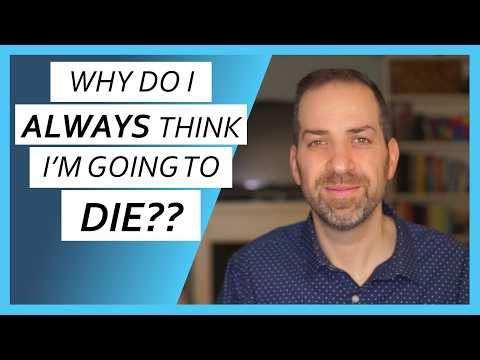
You ever feel like every little ache or pain is the start of something major?
Yeah, that’s what hypochondriac anxiety can do to you. It’s like your brain’s got its own drama club, always auditioning for the lead role in “The Worst-Case Scenario.”
Imagine sitting in a waiting room, and every person around you suddenly becomes a medical expert. It’s exhausting, right?
But here’s the kicker: you’re not alone in this. Seriously! Lots of folks deal with this kind of anxiety, and there are ways to manage it that actually work.
So let’s chat about coping strategies and what you can do to feel a bit more grounded when those worries creep in. Sound good?
Effective Strategies to Overcome Hypochondria Anxiety and Find Peace of Mind
Hypochondria, or illness anxiety disorder, can be a real struggle. It’s when you often worry about having a serious illness even if there’s no medical proof. The thing is, these worries can take a huge toll on your mental health. But don’t sweat it; there are ways to tackle this head-on.
Understanding your anxiety is the first step. Recognizing that your worries might be exaggerated is key. When you feel anxious about a symptom, try to pause and ask yourself: “Is there really something wrong, or am I just jumping to conclusions?” This little trick of slowing down can help you separate fact from fear.
Another effective strategy is mindfulness. Practicing mindfulness involves staying present in the moment rather than spiraling into “what if” scenarios. You might want to try deep breathing exercises or meditation practices. For instance, close your eyes and focus on your breath for a few minutes. Just that simple act can ground you when anxiety rises.
Now, let’s talk about limiting information intake. With the internet at our fingertips, it’s so tempting to Google every symptom you feel. But looking up medical information can often fuel your anxiety instead of easing it. Consider setting boundaries—like only researching health issues for 10 minutes on certain days.
Also important is building a support system. Talk to friends or family about what you’re experiencing; they can provide comfort and sometimes perspective that you might miss when you’re stuck in your head. Most importantly, reach out to a mental health professional who understands hypochondriac anxiety. Therapy can help unpack those fears and provide tools tailored for you.
Cognitive Behavioral Therapy (CBT) is particularly useful here. This approach helps challenge negative thoughts and replace them with healthier ones. For example, if you think “I have this weird pain; it could be cancer,” CBT encourages you to replace that thought with something like “My pain is likely due to stress or muscle tension.”
Sometimes people find relief through journaling. Writing down your feelings daily lets you express what’s going through your mind without holding back. You may notice patterns over time—like certain events or stressors making your anxiety worse—which can help in managing them better.
Finally, make sure you’re practicing good self-care! That means getting enough sleep, eating well, and exercising regularly because taking care of your body goes hand-in-hand with taking care of your mind.
In short:
- Understand Your Anxiety: Recognize when fears are exaggerated.
- Mindfulness: Practice deep breathing and stay present.
- Limit Information Intake: Set boundaries around health research.
- Build a Support System: Share feelings with loved ones.
- Cognitive Behavioral Therapy (CBT): Challenge negative thoughts.
- Journaling: Write down feelings regularly.
- Practice Self-Care: Prioritize sleep, nutrition, and exercise.
If you’re feeling overwhelmed by hypochondria anxiety, remember it’s not just in your head—many people deal with similar struggles! Seeking help takes courage but can lead to lasting peace of mind over time.
Exploring Hypochondria: Its Connection to Mental Illness and Health Anxiety
Hypochondria, or health anxiety, can feel like a constant battle. You know that nagging worry you get about having a serious illness? Yeah, that’s basically what hypochondria is. People with this condition often obsess over bodily sensations and jump to conclusions that they are seriously sick. They might think, “Oh no, I have a headache—what if it’s a brain tumor?” It can be exhausting.
The connection between hypochondria and mental illness is pretty significant. Anxiety disorders often co-exist with health anxiety. So if you’re prone to worrying about things in general, you’re more likely to focus on your health in an anxious way. It’s like your mind picks one thing to latch onto. And then it spirals from there.
Living with hypochondriac anxiety isn’t just about being scared of getting sick; it also affects how you live your life. You might avoid certain activities because you’re worried about what could go wrong. Like, maybe you skip the gym because you’re convinced the strain will end with you collapsing from an undiagnosed heart problem. That’s not just overthinking; that’s your anxiety turning everyday life into a scary movie.
There’s also something interesting going on with the way our brains work here. People with hypochondria might have heightened sensitivity to physical sensations. That means when they feel something—like a little twinge in their stomach—they’re more likely to interpret it as something dangerous instead of just a normal bodily signal, like maybe gas or hunger!
In mental health settings, helping someone cope with this kind of anxiety can be tricky but totally doable. You’d want to validate their feelings while also guiding them towards more balanced perspectives.
Here are some approaches that therapists often use:
An important part of the treatment journey involves learning how to manage the feelings that come up when anxious thoughts arise—like breathing exercises or grounding techniques.
A friend of mine was always worried he had some rare disease because he was feeling fatigued all the time. It got so bad that he stopped going out and started visiting doctors weekly for tests—all clear! But his mind kept racing back to worst-case scenarios each time he felt off even slightly! After finding support through therapy, he learned ways to deal with those anxious thoughts without letting them take control of his life.
So yeah, dealing with hypochondria isn’t easy, but understanding its connection to mental health can help pave the way for effective coping strategies!
Overcoming Health Anxiety: My Personal Journey to Recovery and Wellness
Health anxiety, or what some folks might call hypochondria, can feel like a never-ending rollercoaster ride. One minute you’re totally fine, and the next, a twinge in your back sends you spiraling into “What if?” territory. I totally get it! So let’s chat about overcoming that fear and finding your way back to a place of wellness.
First off, acknowledging your feelings is super important. When I was deep in my own health anxiety haze, every little symptom felt like a ticking time bomb. It’s like I was constantly scanning my body for signs of impending doom. But there’s power in admitting when you’re worried. Understanding that these feelings are valid but not necessarily true can really help shift your perspective.
Next up, education. You might think this sounds counterintuitive—why learn more about health if it freaks you out? But knowledge can be empowering! Learning about common symptoms and understanding how the body works helped me to see that not every ache or pain means there’s something seriously wrong. It’s all about separating the facts from the fears.
A huge part of my journey involved limiting my exposure to health-related media. Seriously, those endless articles and videos about rare diseases did nothing but amplify my anxiety! So I took a step back from Google and social media discussions around health topics that triggered me. Not browsing through forums at 3 AM made a world of difference!
Then there’s mindfulness. Oh man, this one was tough for me at first. I didn’t want to sit still with my thoughts—they felt chaotic! But learning simple techniques like breathing exercises really turned things around for me. Just taking those few moments to focus on my breath helped ground me when panic crept in.
A big boost came from reaching out for help through therapy. Finding a good therapist who understood health anxiety was key. They taught me coping strategies like cognitive-behavioral techniques that helped reframe irrational thoughts. It felt empowering to break free from the cycle of worry!
In addition to therapy, we can’t forget about support systems. Friends and family who understood what I was going through were crucial on bad days when those jitters wanted to take over again. Sharing what I was feeling made it less isolating.
Also, keeping a journal became this amazing outlet for processing emotions and tracking symptoms without judgment—just letting it all flow onto the page without worrying if it made sense.
Lastly, remember that recovery isn’t just a straight line; it’s okay to have bumps along the road! Some days will feel great, while others might be challenging again.
So there you have it—a glimpse into navigating the winding path of health anxiety toward wellness. The journey may be difficult sometimes, but with time and effort, you really can find peace amidst the noise!
You know, dealing with hypochondriac anxiety can feel like being on a wild emotional rollercoaster. One minute you’re fine, and the next, you’re convinced that a headache is something much worse—like, I don’t know, a brain tumor? It’s exhausting! Hypochondria, or health anxiety as it’s sometimes called, is definitely more common than people think. It’s that relentless worry about your health that just won’t go away.
I remember talking to a friend who was convinced she had every illness imaginable. She’d Googled symptoms late into the night and called me in tears about some obscure disease. I kept saying things like “You’re totally healthy!” but that didn’t seem to comfort her. The thing is, anxiety can distort reality so much that reassurance feels empty sometimes.
In mental health settings, there are unique challenges when it comes to treating someone with this kind of anxiety. Professionals often have to strike a balance between acknowledging the person’s feelings and not fueling the fire of their fears. So you might find therapists using techniques like cognitive behavioral therapy (CBT) to help reframe those anxious thoughts. It’s all about recognizing what triggers those worries and finding healthier ways to cope.
But here’s where it gets tricky: If you’re in that headspace where every tiny sensation feels ominous, it can be really hard to accept that maybe it’s just anxiety messing with your mind. Sometimes folks just want answers…and might need a gentle nudge from their therapist to understand they don’t actually need every medical test under the sun.
And hey, self-care plays a huge role too! Simple stuff like mindfulness exercises or grounding techniques can help calm that racing mind when you’re spiraling into worry-land. It takes practice and patience—kind of like learning how to ride a bike without training wheels. And hey, if it doesn’t work right away? That’s okay; progress isn’t always linear.
What really matters is finding good support along the way—whether it’s through therapy, supportive friends who get it (seriously vital!), or even just talking things out with yourself until your thoughts settle down. Healing from hypochondriac anxiety isn’t an easy road, but every little step counts toward feeling more at peace. You’ve got this!