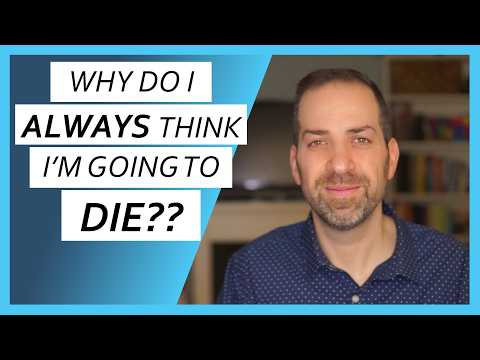
So, you know that feeling when you Google your symptoms and suddenly think you’re dying? Yeah, we’ve all been there. It’s like, one minute you’re fine, and the next, you’re convinced that every little ache is a sign of something way worse.
That’s pretty much what hypochondriasis is all about. It’s that cycle of worry that just won’t quit. Seriously, it can be exhausting!
But here’s the thing: there are ways to tackle it head-on. Different psychological approaches can help you chill out and regain control over your mind instead of letting those fears spiral out of hand.
In this article, we’ll dive into some effective methods that can make a real difference for anyone grappling with those pesky worries about health and sickness. So let’s unravel this together!
Effective Strategies for Treating Hypochondria: Overcoming Health Anxiety
Hypochondria, or health anxiety, can be pretty overwhelming. You might find yourself constantly worrying about your health, imagining the worst-case scenarios for every little ache or pain. It’s like your brain is trapped in a loop of “what if?” questions. So let’s talk about some effective strategies to deal with this.
Cognitive-Behavioral Therapy (CBT) is one of the main players in treating hypochondria. Basically, it helps you identify and challenge those pesky thoughts that lead to anxiety. With a good therapist, you explore how your thinking patterns are linked to your fears and then work on changing them. Imagine you’re tackling an irrational fear like a bad habit; after some practice, it gets easier to recognize when you’re spiraling.
Another approach is exposure therapy. This is where you gradually face the things that freak you out—like reading medical articles or visiting a doctor without panicking. The goal here is to reduce the anxiety over time by slowly increasing your exposure to those triggers. It’s not easy, but taking it step by step can make those fears feel less intense.
Mindfulness and relaxation techniques can also work wonders. When you practice mindfulness, you’re training your brain to focus on the present moment instead of wandering off into “what if” land. Techniques like deep breathing or guided imagery can help calm both your mind and body when anxiety spikes.
Then there’s building a support network. Having friends or family who understand what you’re going through can make a big difference. Sometimes just talking about your worries can ease that feeling of isolation that often comes with health anxiety.
Also, consider limiting health-related research. The internet can be both a blessing and a curse. Sure, it provides loads of information, but it often leads down rabbit holes that only feed your fears. Setting boundaries for how much time you’ll spend researching health issues can help reduce anxiety levels significantly.
Lastly, medication might be an option if symptoms are severe enough and other strategies aren’t enough on their own. Antidepressants or anti-anxiety medications could help balance things out chemically in your brain so that therapy can have an even greater impact.
In essence, overcoming hypochondria takes time and effort—it’s not usually solved overnight. By combining these strategies and working closely with professionals who get what you’re going through, you can take serious steps toward feeling more in control of your life and worries about health!
Understanding the First-Line Treatment for Hypochondriasis: Effective Strategies for Managing Health Anxiety
So, hypochondriasis, or health anxiety, is a pretty common thing where someone is constantly worried about having a serious illness. Like, you might feel a twinge in your side and suddenly think you have appendicitis. It can be really draining! But here’s the thing: understanding how to tackle it can bring some serious relief.
Cognitive-Behavioral Therapy (CBT) is often the first line of treatment for this kind of anxiety. Simply put, the idea is to change those negative thought patterns that keep spiraling out of control. You know that moment when your mind jumps from ‘my head hurts’ to ‘I must have a brain tumor?’ That’s where CBT comes in. It helps you recognize those thoughts and replace them with more balanced ones.
Another effective strategy involves exposure therapy. Sounds intense, right? But it’s all about gradually facing your fears without avoiding them. For instance, if you’re scared of visiting the doctor because you fear they’ll find something wrong, exposure therapy could involve making small steps—like just calling to book an appointment or checking in with a friend who has been through similar experiences.
Also, there’s this concept called mindfulness. Basically, it means being present and aware without judgment. When you feel that urge to Google your symptoms (we’ve all been there), mindfulness helps ground you in the moment instead of letting anxiety drive your bus. Techniques like deep breathing or meditation can seriously reduce those anxious vibes.
Don’t overlook medication, either! Sometimes doctors prescribe antidepressants to help manage those overwhelming feelings of fear and dread. It doesn’t mean you’re weak; sometimes we just need a little extra support while we’re working through things.
You might also want to consider joining a support group. Talking with others who share similar concerns can make such a difference! Sharing stories and strategies could lighten that burden you’re carrying alone.
And hey, remember to talk openly with your mental health professional about what works for you—you’re not stuck with just one approach! Everyone’s journey is unique, so finding what clicks makes all the difference.
In essence, dealing with health anxiety is totally manageable when using these first-line treatments effectively. You’re not alone in this struggle; many people experience it and find ways to cope successfully over time!
Hypochondriasis, or health anxiety, can be a real rollercoaster. You know how sometimes you feel a weird ache, and suddenly your mind races to the worst-case scenario? Yeah, that’s totally what people with health anxiety go through—only it’s like living in that state all the time. I had a friend who was always worried about every little thing. One day, she thought she had a serious illness because of a simple headache. It was heartbreaking to see her spiral into panic over something so minor.
When it comes to treating this condition, there are some effective psychological approaches that have really made a difference for many people. Cognitive Behavioral Therapy (CBT) is one of the big ones. Basically, it helps you identify and change those unhelpful thoughts about health and illness. Imagine sitting across from someone who guides you to challenge those fears and see things from another perspective—it’s like pulling back the curtain on anxiety.
And then there’s exposure therapy. This one’s pretty interesting! It involves gradually exposing yourself to your fears in a safe environment. For example, if you’re terrified of germs or doctors, you might start by looking at images of hospitals or even visiting one for a check-up—but in small doses! Over time, this can lessen the fear response.
Another approach is mindfulness-based therapy. Have you ever tried just being present without judgment? Mindfulness teaches you to notice when your thoughts start spiraling—like when you’re fixating on whether that twinge means something terrible—and refocus on the here and now instead.
And let’s not forget about support groups! Talking to others who get it—that can be such a relief. Sharing experiences reminds you that you’re not alone in this wild ride.
In essence, healing from hypochondriasis isn’t about denying your feelings but learning how to manage them better. It takes time and effort for sure—it’s like building a muscle—but with the right tools and support, many people find their way back to peace of mind again. So, if you know someone dealing with these worries—or even if that’s you—hang in there! There is hope and help out there waiting for you.