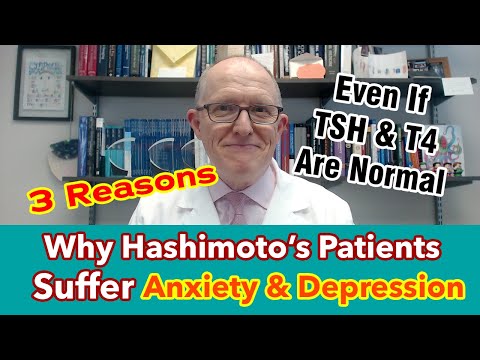
Ever felt like you’re stuck in a fog, just dragging through the day? It’s no fun, right?
Well, what if I told you that sometimes it’s not just about feeling down or stressed out? There could be more to it.
You see, there’s this sneaky connection between hypothyroidism and mental health symptoms like depression and anxiety. Yeah, it’s a thing!
Many folks don’t realize that an underactive thyroid can really mess with your mood. It’s wild how physical health can impact your mental state.
Let me walk you through it. We’ll chat about how those thyroid hormones play into your feelings and what to look out for if you think something’s off. Sound good?
Effective Strategies for Managing Anxiety Linked to Hashimoto’s Disease
Managing anxiety when you have Hashimoto’s disease can feel like a tough climb, but there are effective strategies to help you along the way. The thing is, Hashimoto’s can mess with your thyroid levels, leading to not just physical symptoms but emotional ones too. You might find yourself battling anxiety as your body navigates the ups and downs of hormone fluctuations. So, what can you do about it? Let’s break this down.
First off, it’s super important to understand how Hashimoto’s affects your mental health. When your thyroid isn’t working properly, it can impact everything from energy levels to how well you sleep. And lack of sleep? Yeah, that can send your anxiety levels soaring. That’s why finding a good balance becomes essential.
Establishing a consistent routine is one key strategy. Think about setting regular meal times and sticking to a sleep schedule. Having predictable daily patterns helps stabilize both your physical and emotional health. You know how sometimes just having a plan makes a situation feel less daunting? It’s kind of like that.
Incorporating regular exercise into your life could be game-changing as well. Exercise doesn’t just help with weight management; it releases endorphins—those nifty little brain chemicals that lift your mood. Even a simple walk in the park or some yoga at home can help settle those racing thoughts.
You might also want to consider breathe deeply and practice mindfulness. It sounds simple, but focusing on your breath for even just a few minutes can shift your brain out of overdrive and into chill mode. Seriously, take a moment right now: breathe in for four counts, hold for four counts, then exhale for four counts. Feels good, right?
Another helpful approach is dressing up those nutritional habits. Eating balanced meals filled with whole foods—think colorful fruits and veggies—is crucial for both thyroid function and mood regulation. Certain nutrients like zinc and selenium are particularly beneficial for those with Hashimoto’s disease since they support thyroid health.
And hey, don’t forget about seeking professional help. Sometimes talking things out with a therapist who understands chronic illness can be incredibly validating. They often provide tools tailored specifically to cope with anxiety linked to health issues like Hashimoto’s.
So let’s put this all together:
- Understand how Hashimoto’s affects mental health.
- Create routines.
- Add regular exercise.
- Practice breathing techniques.
- Focus on nutrition.
- Seek professional guidance.
At the end of the day, managing anxiety related to Hashimoto’s isn’t just about dealing with symptoms as they come; it’s about equipping yourself with strategies that fit into your life seamlessly. Stick together these actions bit by bit! You might find yourself feeling more grounded despite the hurdles that come along with chronic illness—like climbing toward clear skies after battling through cloudy weather!
Exploring Natural Alternatives to Synthroid for Thyroid Health
Hypothyroidism can be a real drag. When your thyroid gland isn’t producing enough hormones, it can throw your whole system out of whack. And, oh boy, this can lead you down the road to feeling super anxious or even depressed. Lots of people don’t connect those dots, but there’s a solid link.
Now, if you’re dealing with hypothyroidism, Synthroid (levothyroxine) is usually the go-to medication. But some folks are looking for natural alternatives to manage their thyroid health instead. So let’s break down some options that might help, keeping in mind that it’s always best to chat with a healthcare provider before making changes.
Dietary Adjustments
One of the first places to look is your plate. Some people swear by *whole food diets*. Think fresh fruits and veggies, lean proteins, and healthy fats. You might want to focus on foods rich in iodine since that’s super essential for thyroid hormone production. Seafood and dairy products, for example, are great sources.
Another thing is selenium. This mineral plays a role in converting inactive thyroid hormones into their active form. You can find selenium in nuts like Brazil nuts or even in fish like tuna.
Herbs and Supplements
Certain herbs have gained popularity among those seeking natural thyroid support.
There’s also something called **L-Tyrosine**, an amino acid that helps produce thyroid hormones when paired with iodine.
Lifestyle Changes
Stress management is huge! Stress can totally mess with our hormones. Techniques like yoga or meditation might really help keep those stress levels down and help your overall health too.
Also, regular exercise plays a big role here; it can boost your mood and energy levels while also supporting healthy hormone balance.
Regular Monitoring
The thing is—you really have to keep an eye on how these alternatives work out for you. It’s not always straightforward since individuals react differently. Blood tests are vital to see where your hormone levels stand if you’re leaning towards natural options instead of conventional meds.
In short, while there are alternatives out there to support thyroid health naturally, they should be approached carefully and ideally discussed with a healthcare professional who gets what you’re trying to achieve. It’s all about finding what works best for you without letting hypothyroidism sideline your mental well-being!
Exploring the Connection: Can Hypothyroidism Trigger Anger Issues?
It’s crazy how our bodies and minds are connected, right? If you’ve been feeling more irritable or angry lately, it might not just be stress or frustration. There’s a chance it could be linked to **hypothyroidism**. That’s when your thyroid gland doesn’t produce enough hormones, which can totally mess with your mood.
So, here’s the lowdown: hypothyroidism can influence your emotional state. It’s pretty common for people with this condition to experience symptoms like fatigue, weight gain, and even depression. But anger? Yeah, that can come into play too. You see, when hormone levels are off, it creates a ripple effect throughout your body and brain.
Now let’s think about how this works. The thyroid hormones help regulate many functions in your body. When these hormones are low:
- Your brain chemistry gets affected. This means you might find it harder to manage emotions.
- Cortisol levels may increase. Cortisol is that pesky stress hormone that can lead to increased irritability.
- You could feel tired and moody. When you’re already exhausted, any little thing can set you off.
Just picture yourself after a long day—feeling drained and irritable. Now add in some hormonal imbalance from thyroid issues. It’s like lighting a match on a pile of dry leaves—things can get heated pretty fast!
And here’s an important point: anger issues stemming from hypothyroidism might not be recognized right away. A lot of folks jump straight to thinking mental health conditions like anxiety or depression are the main culprits. But if you’re noticing changes in how you react emotionally—like losing your temper over small stuff—consider mentioning it during your next doctor visit.
One thing I remember is a friend who was dealing with fatigue and unexplained anger outbursts. It wasn’t until they got checked for thyroid problems that everything clicked into place! Once they started treatment for hypothyroidism, their mood swings leveled out significantly.
If you suspect this connection might be real for you or someone you love—don’t hesitate! Chat with a healthcare provider for some blood tests and check those thyroid levels. Getting proper treatment could mean the world in managing those unexpected anger episodes.
Feeling overwhelmed by emotions can wear anyone down; sometimes it’s about addressing those underlying issues first before tackling anger directly. So take care of yourself—you deserve to feel balanced and happy!
You know, it’s pretty interesting how something like hypothyroidism can sneak into your life and mess with your mood. I remember a friend of mine, Sarah. She had always been this vibrant person, cracking jokes and lighting up the room. Then, out of nowhere, she started feeling sluggish and down. It was like someone dimmed her light.
At first, we all thought it was just stress from work or maybe some seasonal blues. But as time went on, she became really withdrawn and anxious about everything—from social gatherings to even just handling daily tasks. It wasn’t until she went to see a doctor that they figured out her thyroid was underactive.
Hypothyroidism happens when your thyroid gland doesn’t produce enough hormones. These hormones play a big role in regulating metabolism but also affect mood and energy levels. So, when they’re low, you can end up feeling not just physically drained but emotionally heavy too.
What’s wild is how intertwined our bodies and minds are. Studies have shown that people with hypothyroidism often report feeling depressed or anxious—sometimes even both! When Sarah got on the right medication for her thyroid issues, it was like watching a flower bloom again after a long winter. Slowly but surely, her energy returned and so did those infectious giggles.
It’s super crucial to keep in mind how important it is to get the right diagnosis if you’re feeling off—whether it’s fatigue or mood swings or something else entirely. Sometimes mental health issues like depression and anxiety might be linked to physical health problems you didn’t even realize were going on.
So next time you hear someone talking about feeling down or anxious without much reason, consider what else might be at play beneath the surface? Connecting those dots can make all the difference in finding clarity—and hopefully a path toward healing for them too.
Anyway, it’s kind of comforting knowing that there are often real reasons behind what we feel, right? Like maybe it’s not just “in our heads.” Life can throw so much at us; understanding these connections helps us navigate through them with more compassion—for ourselves and for each other.