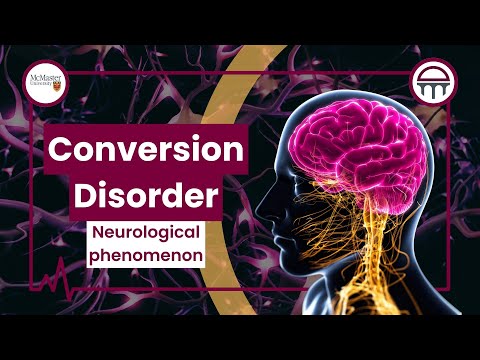
You know when you’re feeling stressed, and your body just decides to throw a fit? Like, one minute you’re fine, and the next, something weird happens. That’s basically what a hysterical conversion reaction is about.
It’s like your mind is saying, «Hey, I can’t handle this right now,» and then your body takes over with some crazy symptoms. It’s kind of wild how connected our brains and bodies are.
So what gives? Why does this happen? Well, it all ties back to some pretty deep psychological stuff. Let’s unpack this together. Trust me; it’s fascinating!
Understanding the Psychological Causes of Conversion Disorder: Key Insights and Explanations
Conversion disorder, once known as hysterical conversion reaction, is a pretty complex condition. It’s fascinating but also really heavy when you think about it. Basically, what happens is that someone experiences physical symptoms—like paralysis, weakness, or even seizures—without any clear medical explanation. It’s like their body is reacting to emotional stress in a physical way.
So let’s break it down a bit. First off, conversion disorder often arises after stressful events or trauma. Your mind and body can be weirdly connected. When you go through something tough, instead of processing it normally, your brain might decide to “convert” that emotional pain into physical symptoms. Kinda wild, right?
Many people struggle with this diagnosis because they feel lost in the mix of pain and confusion. You might find yourself saying things like “Why can’t I just move my arm?” when there’s no actual injury there! This disconnect between mind and body can be really frustrating.
Now let’s talk about some of the psychological roots. Many individuals with conversion disorder have a background of emotional distress, anxiety, or even unresolved trauma. It’s almost like the body has its own way of trying to speak up about what’s going on inside your head and heart.
- Childhood experiences: People who faced trauma early in life might carry that weight into adulthood without even realizing it.
- High-stress environments: Constant pressure from work or relationships can manifest in strange ways physically.
- Underlying mental health issues: Conditions like depression or anxiety are often intertwined with conversion disorder.
Let me share an example: imagine Sarah, who grew up in a household where emotions were hardly discussed—her family just pushed feelings aside as if they were invisible. Years later, she finds herself suddenly unable to use her legs after an intense argument at work. Doctors find nothing wrong physically; her legs simply won’t cooperate anymore! In this case, Sarah’s body is perhaps saying what her mind couldn’t express: «This is overwhelming!»
Another thing to consider is that sociocultural factors can influence the development of conversion disorder too. Some cultures have specific ways of expressing distress which makes symptoms more visible in certain communities compared to others.
So how do people cope with this? Well, treatment usually involves therapy that helps tackle both the emotional and physical aspects of the condition—this could mean cognitive behavioral therapy (CBT) or other approaches designed for healing both mind and body.
In essence, understanding conversion disorder means recognizing it as a cry for help from deep inside you—not just something that’s happening on the outside without reason or purpose! It draws attention to how intertwined our feelings are with our bodies; this connection runs deeper than we sometimes acknowledge.
In closing, while conversion disorder is intricate and often bewildering for those affected by it—it still highlights profound truths about human experience and resilience amid pain!
Understanding the Key Characteristic of Conversion Disorder: Exploring Hysteria in Mental Health
Conversion disorder, also known as functional neurological symptom disorder, can be pretty perplexing. The key characteristic of this condition is that you experience real physical symptoms that can’t be explained by medical conditions or diagnoses. You know, it’s like your brain is somehow causing your body to act up without any clear biological reason.
To put it simply, imagine someone whose arm suddenly goes numb after a traumatic event. There’s no injury or physical cause, but they genuinely can’t move that arm. It’s as if their mind has decided to “convert” emotional distress into physical symptoms. Pretty wild stuff, huh?
This brings us to the historical roots of what used to be termed hysteria. Hysteria was often used to describe symptoms thought to be linked with women’s emotional states—let’s just say it wasn’t the most accurate label! The term has since faded in favor of more descriptive language like conversion disorder because it reflects what’s really happening: your emotional state impacts your physical health.
Now, why does this happen? Well, there’s no single answer here. Often,
,
, or even
play a role in triggering these symptoms. Think of it this way: when you’re under a lot of pressure—or something huge happens in your life—those feelings might bubble up in ways you don’t expect.
The psychological aspect here is fascinating—especially how our brains process emotions and stress. Suppressing emotions or not being able to express what you’re feeling can lead the body to find its own outlet for that tension. So, when someone feels overwhelmed and can’t articulate those feelings? Well, sometimes the body just takes over and manifests those emotions physically.
Treatment can vary quite a bit because it really depends on the individual and what they’re experiencing. Cognitive-behavioral therapy (CBT) is often recommended because it helps address both the psychological factors at play and teaches coping skills for managing symptoms more effectively.
Seriously though, understanding conversion disorder isn’t about placing blame on anyone—it’s about helping people find ways to cope with complex emotional truths their bodies are reacting to. It’s essential for anyone struggling with this condition—or even just curious about it—to seek support from professionals who get the nuances involved.
In summary, conversion disorder highlights how intertwined our minds and bodies are when dealing with emotions and stressors in life. It might seem complicated at first glance—yet recognizing the connection between mental health and physical symptoms opens doors for healing and understanding down the line!
Effective Strategies for Treating Conversion Disorder: A Comprehensive Guide
Conversion Disorder, which you might hear referred to as hysterical conversion reaction, is a fascinating yet sometimes perplexing psychological condition. Essentially, it’s when you experience physical symptoms—like paralysis or seizures—that can’t be traced back to any medical issue. Instead, these symptoms often stem from stress or emotional conflict. The mind and body are connected in ways we’re still figuring out, but what we do know is that effective treatment strategies can really help.
First off, understanding the psychological roots of conversion disorder is crucial. It’s not just «in your head.» These physical manifestations usually arise from unresolved emotional distress. Think of it like a pressure cooker that builds up steam until it can’t hold anymore—it has to release somewhere. So addressing those underlying emotions is key.
One effective treatment strategy is psychotherapy. This might include approaches like cognitive-behavioral therapy (CBT), which helps you identify and change negative thought patterns, or psychodynamic therapy, which dives deeper into those hidden feelings and experiences. In these sessions, talking through what’s going on emotionally can lead to breakthroughs that alleviate the physical symptoms.
Another important strategy involves physical rehabilitation. Once the psychological aspects are being addressed, working with a physical therapist can help regain movement or function in areas affected by the disorder. Engaging in gradual exposure to activities and exercises helps retrain your body, reminding it that it’s okay to move again.
It’s also worth mentioning the role of education. Patients and their families should be informed about conversion disorder and its nature. Simply knowing that these symptoms have a psychological basis—and aren’t permanent—can ease some anxiety around them.
In some cases, using a combination of therapies may be beneficial. For example:
- Cognitive-Behavioral Therapy (CBT): As I mentioned earlier, CBT targets negative thoughts while encouraging new coping strategies.
- Mindfulness Techniques: Practicing mindfulness can help manage stress and anxiety by keeping you grounded in the present.
- Medication
: While not primarily treating conversion disorder itself, certain medications for anxiety or depression might support overall mental health during treatment.
Lastly, don’t underestimate the power of social support. Engaging with friends and family who understand what you’re going through makes a real difference. They can provide encouragement during tough times and remind you that you’re not alone on this journey.
I remember a friend who struggled with similar issues for years before realizing his intense anxiety was causing his physical symptoms. Once he started therapy—where he could discuss his fears openly—the symptoms gradually faded away as he tackled those emotional barriers head-on.
So basically, treating conversion disorder often requires a multi-faceted approach focused on both mind and body. It’s about understanding yourself better while also reclaiming your physical capabilities—a journey worth taking for sure!
So, you know when you’re feeling super overwhelmed and then suddenly, your body just kind of freaks out? Like, maybe you start shaking or feel paralyzed, but there’s nothing physically wrong with you? That’s what we call a hysterical conversion reaction. It’s like your brain’s way of saying, “I can’t handle this right now!” and it’s totally more common than you’d think.
Let me tell you about a friend of mine. She lost her job unexpectedly and was dealing with a lot of stress from personal issues as well. One day, she woke up with this intense pain in her legs. Doctors checked her out and found nothing physically wrong, but the pain was real for her. What happened is her body reacted to all that emotional pressure by creating this physical symptom. It was like her mind just couldn’t deal anymore.
At its core, hysterical conversion reactions are tied to deeper psychological roots – often related to trauma or stress that you’ve been carrying around. Your brain can push those emotions deep down, kind of like putting dirty laundry under the bed instead of dealing with it right away. But sooner or later, something triggers them and voila! Your body starts acting out in these really peculiar ways.
People sometimes think it’s just about attention-seeking or being dramatic, but that’s way off base. Trust me; it’s more about the inability to express what you’re feeling inside – frustrations or fears that seem too big to confront directly. It’s like when your computer starts glitching because it’s overloaded with too many tasks at once; sometimes it just needs a reset.
And let’s face it: our society doesn’t always make it easy for folks to talk openly about their mental struggles without facing judgment. So people sometimes resort to these physical symptoms because they feel safer that way – who wouldn’t want an understandable excuse for their pain?
In therapy settings, addressing these reactions often involves gently peeling back those layers to uncover what’s really going on beneath the surface – not an easy task at all! It’s like searching for buried treasure in your own psyche—sometimes scary but also potentially illuminating.
So yeah, if you ever feel your body reacting in puzzling ways during tough times (or see someone else do it), remember there might be a lot more happening beneath the surface than what meets the eye!