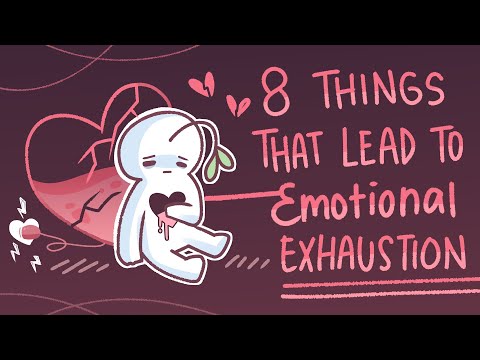
Hey, you ever feel totally wiped out—like no amount of sleep can fix it? That’s emotional exhaustion for you. It sneaks up when life gets super overwhelming.
You might be juggling work, relationships, and the daily grind, then suddenly—you hit a wall. Your brain’s foggy, and even small things feel like mountains. Sounds familiar, right?
It’s like running a marathon but without the finish line in sight. That’s tough stuff. Let’s dive into why this happens and how it can take over your life if you’re not careful. Seriously, you’re not alone in this!
Understanding the Key Differences Between Mental and Emotional Exhaustion
Understanding the differences between mental and emotional exhaustion can feel like peeling an onion. They’re related, for sure, but they hit you in different ways. Let’s break it down.
Mental exhaustion is that feeling of being worn out from thinking too much. It’s like your brain is running a marathon without a break. You might be juggling work projects, school assignments, or just processing way too much information constantly. You find it hard to focus, remember things, or even make simple decisions.
Emotional exhaustion? That one hits deeper. It’s like carrying around heavy baggage everywhere you go. You might feel drained from constant worrying about relationships or social situations, maybe you’re caring for others and not taking time for yourself. Sudden bursts of frustration or sadness may seem to come out of nowhere. Your emotional reserves are depleted.
When these two pile up on each other, well, that’s when life gets really tough.
Here are some key differences:
- Causes: Mental exhaustion often comes from excessive cognitive load—like studying for exams or working long hours without breaks. Emotional exhaustion usually stems from stressors in personal relationships or caregiving roles.
- Symptoms: With mental fatigue, you might notice headaches and trouble concentrating. Emotional fatigue may manifest as feeling detached from friends and family or experiencing mood swings.
- Duration: Mental exhaustion can sometimes be resolved by a good night’s sleep or a weekend getaway to recharge your brain. But emotional exhaustion often takes longer to heal—it requires self-care and perhaps talking things through with someone.
So picture this: Sarah was working late hours every day on a big project at work. Over time, her brain felt foggy; she struggled to remember tasks and found herself staring at the screen in confusion—that’s mental exhaustion creeping in.
Now consider her friend Tom, who was always there for others but never really took time for himself. He started feeling overwhelmed by everyone else’s emotions and developed a sense of hopelessness—that’s emotional exhaustion taking its toll.
It’s important to recognize when you’re dealing with either type of exhaustion because ignoring them just makes everything harder down the road. Take it seriously—if you’re losing joy in things you love or if basic tasks feel impossible, it’s time to slow down and check in on yourself.
Taking breaks is essential! Give yourself permission to rest your mind or take that hot bath you’ve been avoiding because “you don’t have time.” Trust me—you do! And if it feels overwhelming, reaching out to a trusted friend or therapist can make all the difference.
Remember: knowing what you’re feeling is half the battle!
Understanding Emotional Burnout: Key Causes and Solutions for Recovery
Emotional burnout is one of those things that can sneak up on you. You know, it feels a bit like when you’re running on empty, you just keep pushing through, but you’re totally drained. You might feel overwhelmed, detached, and even kind of hopeless about everything. So let’s break down what causes it and what you can do to get back to feeling like yourself.
Key Causes of Emotional Burnout
There’s no one-size-fits-all answer when it comes to why emotional burnout happens, but some common triggers include:
- Chronic Stress: If you’re constantly dealing with stressful situations—like work pressure or family responsibilities—it can wear you down.
- Lack of Control: Feeling stuck in a situation where you can’t make decisions can be super frustrating. It saps your motivation.
- Poor Work-Life Balance: When work takes over your life, leaving little time for relaxation or fun, that’s a big red flag.
- Isolation: Not having a solid support system makes it harder to cope. You might feel like you’re facing everything alone.
Now imagine this: Sarah was juggling two jobs while caring for her kids. She thought she was handling it all until one day she found herself crying in the bathroom at work. That was her wake-up call that something had to change.
Signs You’re Experiencing Burnout
If you’re wondering whether burnout has entered your life, look out for these signs:
- Feeling Drained: You wake up tired and just want to crawl back into bed.
- Cynicism: Nothing seems fun or interesting anymore; everything feels bleak.
- Irritability: You’re snapping at friends or coworkers over small things—their coffee choices suddenly feel personal.
- Lack of Focus: Tasks that used to be easy now feel impossible.
Just remember: recognizing these signs is the first step toward taking action.
Solutions for Recovery
Now that we’ve talked about the causes and signs, let’s focus on how you can start feeling better:
- Create Boundaries: This means saying no sometimes! Protect your time and energy from things that drain you.
- Pursue Activities That Fill You Up: Find hobbies or activities that bring joy—whether it’s painting, hiking, or just binge-watching that show everyone loves.
- Talk About It: Reach out to friends or consider speaking with a therapist. Sharing what you’re going through can help lift some weight off your shoulders!
- Meditation and Mindfulness: These practices help center your thoughts and reduce stress. Even five minutes a day can shift your mindset.
Picture this: David started journaling before bed each night. He didn’t do anything fancy; he just wrote down his thoughts from the day. Over time, he noticed he felt lighter as if he was letting go of burdens.
In short, emotional burnout is tough but completely manageable with the right strategies in hand. You don’t have to go through this alone—reach out for support and take steps toward claiming your energy back!
Understand Your Limits: Take the Emotional Exhaustion Test to Assess Mental Well-Being
Emotional exhaustion can sneak up on you, like a heavy blanket slowly being draped over your shoulders. It’s that drained feeling when life seems too much. You know the one? The thing is, understanding your limits is key to managing mental well-being. So, let’s talk about how you can assess where you’re at emotionally.
Have you ever been in a situation where everything just feels overwhelming? Imagine your friend, Sarah. She was juggling work deadlines, family obligations, and personal issues all at once. Before she knew it, she was feeling totally spent. That’s emotional exhaustion creeping in.
To really grasp how you’re doing mentally, taking an emotional exhaustion test might help. These assessments usually ask about how you’re feeling day-to-day and help pinpoint signs of burnout or depletion.
Here are some common indicators of emotional exhaustion:
- You feel physically tired most days.
- You’re easily irritated or frustrated with others.
- There’s a sense of cynicism about your work or responsibilities.
- Your motivation has hit rock bottom.
- Even small tasks seem daunting to tackle.
These signs can really clue you in on whether it’s time to check in with yourself—like seriously pause and think about what’s happening in your life.
Taking a simple test often involves questions that gauge your feelings over the past week or so. You might see something like: “How often do you feel too exhausted to focus?” Or, “Do little things annoy you more than they should?” Your answers can give you insight into your current state.
One thing to keep in mind is that emotional exhaustion doesn’t just affect how we feel; it impacts our relationships too. Think about Sarah again—her friends noticed she wasn’t herself anymore. She couldn’t engage with them like before because everything felt heavy and burdensome.
Getting a grip on these feelings also means recognizing it’s okay to set boundaries. You might say “no” more often or request help when things get tough—those are healthy moves!
After taking the assessment, if you find you’re teetering toward that exhausted edge, don’t panic! It’s actually a wake-up call for change. This could mean talking to someone who gets it—like a therapist or even just a trusted friend who’ll listen without judgment.
In the end, understanding your limits is all part of keeping yourself emotionally healthy. You’ve got to pay attention because mental well-being isn’t just an afterthought; it needs care and effort every single day! Remember: if emotions start piling up like laundry—you’ve got to sort through them before they become overwhelming!
Emotional exhaustion is one of those things that creeps up on you, like a slow leak in a tire. You don’t notice it right away, but one day you find yourself stuck on the side of the road, feeling completely drained and overwhelmed. It’s exhausting just thinking about it, honestly.
I remember a time when I hit that wall. I was juggling work, family stuff, and trying to keep up with friends. You know how it goes—being the go-to person for everyone’s problems while ignoring your own. One day, I snapped at a friend over something trivial—a spilled drink! It hit me then: I was running on empty.
So, here’s the thing: emotional exhaustion isn’t just about being tired; it feels heavy in your chest and makes everything seem insurmountable. You might notice yourself feeling irritable, anxious, or just totally disconnected from everything around you. Like scrolling through social media feels like another chore instead of something fun.
When you’re emotionally exhausted, it can be tough to even get out of bed or do basic tasks. You might feel like you’re dragging a weight behind you that just won’t budge. And sometimes people don’t even realize what you’re going through because they see you smiling or keeping it together on the surface.
But deep down? There’s a battlefield happening in your mind. You start second-guessing yourself and wondering why anything ever mattered in the first place. It’s like being stuck in quicksand; the more you struggle to get out, the deeper you sink.
Facing emotional exhaustion can take time and patience—seriously! It’s okay to take a step back and be honest about how you feel. Reaching out to someone can really help lighten that load—even if it feels hard at first.
So if you’re feeling worn out like I did? Just know you’re not alone in this boat! Sometimes giving yourself permission to rest is all you need to start finding your way back again. And hey—it’s completely normal to need some time to recharge those batteries!