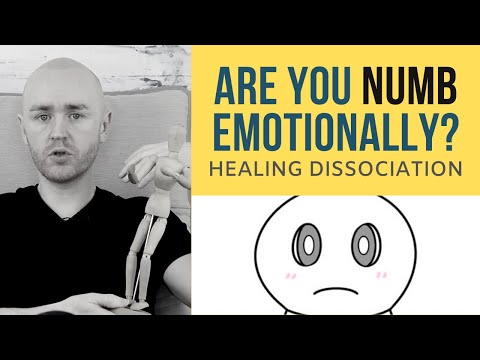
You ever feel like you’re just… there? Like, emotionally, you’re kind of on mute? Yeah, that’s emotional numbness.
It sneaks up on you. One minute you’re laughing with friends, and the next, it’s like a fog rolls in. Everything feels flat.
I remember a time when I sat in a crowded café. Everyone around me was buzzing with life, but I felt nothing. Just… empty.
It can be super disorienting. It leaves you questioning yourself—“What’s wrong with me?” But here’s the thing: you’re not alone in this.
So let’s chat about it! Lean into those feelings, and maybe we can figure out how to navigate this weird space together.
Understanding Emotional Numbness: Is It a Silent Threat to Your Mental Health?
Emotional numbness can feel like being wrapped in a thick blanket, shutting out the world. You might notice that you don’t really feel much of anything anymore—no joy when good things happen, no sadness during tough times. It’s as if your emotions are on mute, and that silence can be pretty unsettling.
The thing is, emotional numbness isn’t just about feeling disconnected from your feelings. It often lurks behind other mental health issues, like depression or anxiety. If you’ve ever felt overwhelmed and then just switched off your feelings to cope, you’re not alone; that’s a common response.
Many people face this kind of numbing at some point in life. Like my friend Jess, who after a rough breakup hit this wall. She still went to work and hung out with friends, but inside? Nothing. No excitement about plans or even a tear about the breakup. Just silence.
Here are some key points about emotional numbness:
- It Can Be a Defense Mechanism: Your mind sometimes shuts down emotions to protect you from pain or overwhelm.
- It Might Be Temporary: For many folks, this feeling comes and goes as life throws stuff at us.
- Long-Term Effects: If it sticks around too long, it can impact relationships and overall happiness.
- Mental Health Conditions: Conditions like PTSD or severe anxiety often have numbness intertwined with them.
Not feeling much can lead to confusion too. You might start missing the highs in life—like laughter or excitement—while still facing the lows without any real reaction. That’s where it gets tricky!
So how do we deal with this? Talking about what you’re experiencing is key. Whether it’s with a therapist—or just close friends—it helps to let those feelings out instead of bottling them up.
Also, pay attention to what might be triggering this numbness for you; sometimes it’s stress from work or unresolved issues in relationships. Recognizing those triggers is part of breaking down that emotional wall.
Engaging in activities that normally bring you joy can help too! Even if they don’t seem appealing at first, pushing yourself gently towards these experiences might slowly chip away at that blanket of numbness.
In short, emotional numbness isn’t something to ignore; it can be quite the silent threat to your mental health if left unchecked. But understanding its roots can give you some power back over how you’re feeling—and that’s the first step toward reconnecting with those emotions again!
Understanding Emotional Numbness: Causes, Symptoms, and Ways to Reconnect
Emotional numbness can feel like you’re living in black and white when everyone else is in full color. It’s like, one day you just realize you can’t feel much of anything. No highs, no lows—just this flat line of emotion.
First off, let’s talk about what causes this numbness. Anyone can experience it at some point, but certain factors make it more common. Some possible triggers include:
- Trauma: Whether it’s big events like accidents or smaller, ongoing situations such as bullying, trauma can shut down our emotional responses.
- Stress: Sometimes life gets so overwhelming that your brain decides to protect itself by numbing feelings.
- Mental health conditions: Things like depression or anxiety often come along with emotional numbness as a symptom.
- Substance use: Alcohol and drugs can act as sedatives for feelings, leading to that gray sense of nothingness.
Now, getting into the symptoms—what might you notice? Emotional numbness isn’t just feeling blah; it’s a little more nuanced than that. You might find yourself:
- Apathetic: You lose interest in things that used to bring joy—like hanging out with friends or hobbies.
- Disconnected: You feel distant from others, even when they’re right next to you.
- Bored with life: Everything seems dull and boring. Excitement? Nah, not today.
- Tired all the time: It’s exhausting putting on a brave face when inside you feel flattened out.
So how do you reconnect with those emotions? Well, it takes time and patience; hang tight because here are some strategies that might help:
- Therapy: Talking to someone trained can be really helpful. Therapists provide tools and coping mechanisms for navigating feelings—you know?
- Meditation & mindfulness: Slowing down can help shine a light on those hidden emotions lurking underneath the surface.
- Create a routine: Establishing structure in your day-to-day life gives your mind something to latch onto instead of drifting aimlessly.
- Sensory engagement: Try focusing on your senses—listen to music, feel different textures, or taste new foods—to spark up those dormant feelings again!
Let me share a quick story. Imagine someone named Sam who always loved painting but suddenly didn’t care anymore—like their favorite colors turned gray overnight! After exploring therapy and reconnecting with old friends who were supportive, Sam slowly started feeling excitement again while painting. They realized tapping back into those activities could reignite their passion for life.
In summary (not that I’m wrapping things up or anything), emotional numbness can be tough to deal with but it’s not impossible to overcome. It takes effort and sometimes guidance from others who understand what you’re going through. Just remember that there’s hope!
So if this sounds familiar—a mix of drowning out emotion yet craving warmth again—know you’re not alone in this journey!
Understanding Emotional Numbness: Take Our Quick Test to Assess Your Feelings
Emotional numbness can feel like you’re living in a fog. You might go through the motions of life, but deep down, it feels like your feelings have hit a pause button. This isn’t just about being sad or stressed; it’s more like an emotional blackout. And believe me, it happens to a lot more people than you might think.
So, what exactly does it mean when you’re feeling emotionally numb? Well, basically it’s that sense of disconnect from your own feelings. You may notice you don’t cry when you used to during sad movies, or your excitement disappears when something good happens. It can sneak up on you and be really confusing.
Some common causes include:
- Stress: When life gets too hectic or overwhelming.
- Trauma: Experiencing something shocking or deeply upsetting.
- Mental health issues: Conditions like depression or anxiety can play a huge role.
- Medications: Certain meds can dull emotions as a side effect.
Imagine this: You’re sitting at home with friends who are cracking jokes and having fun. Everyone’s laughing, but all you can manage is a faint smile. It’s frustrating because you want to feel joy, but something’s just… off. That’s emotional numbness in action.
If you’re wondering how to tell if you’re experiencing this kind of emotional haze, try this quick self-check:
- Do you often feel disconnected from your own emotions?
- Are activities that used to bring you joy less exciting now?
- Do you find yourself going through daily routines on autopilot?
- Has anyone pointed out that you’ve been acting differently lately?
Answering «yes» to some of these questions might give insight into what you’re feeling.
It’s totally normal to experience phases of emotional numbness; life throws curveballs that make us feel all sorts of things—or nothing at all sometimes! But if this feeling sticks around for weeks or starts interfering with your daily life, that’s when reaching out for support could be helpful.
Talking to someone—a friend or a mental health professional—can help untangle those feelings and get back in touch with what matters most to you. Remember, emotional numbness isn’t just «in your head.» It’s real and worth exploring so you can reconnect with yourself and the world around you. So don’t hesitate to look for help if things feel stuck!
You know, emotional numbness can feel like you’re walking through life in a fog. It’s like you’re there, but at the same time, you’re kind of not. Everything feels muted—joy isn’t really joyful, and sadness just sits there like a pesky fly that won’t go away. I remember a friend of mine, let’s call her Sarah. She once told me that she felt like she was watching her life unfold from behind a glass window. All the colors were dulled down to gray, and no matter what happened around her, she just couldn’t feel much of anything.
Emotional numbness doesn’t always come from a single traumatic event; sometimes it’s the result of prolonged stress or even just feeling overwhelmed by life’s chaos. You might notice yourself zoning out during conversations or scrolling through your phone for hours without really absorbing anything. It’s frustrating because you may want to feel—be it happy or sad—but everything seems out of reach.
This sensation can be pretty isolating too. You might walk into a room full of people laughing and smiling, and instead of feeling that warmth of connection, you stand there feeling disconnected from it all. Like you’re an outsider peeking in on someone else’s world that’s bursting with color while yours is stuck in black and white.
You see, it’s easy to think that being numb is better than feeling pain—but over time, it can start to gnaw at your insides. You might find yourself wondering who you are without those emotions driving your choices or shaping your experiences.
If you’re navigating this space, know it’s okay to reach out for help—whether that’s talking to friends who get it or seeking support from a professional who can help guide you through this thick fog. Seriously! Just sharing how you’re feeling can lighten that load just a little bit.
Emotional numbness can be tough, but it’s also part of being human. It shows us we have the capacity for deep feelings—even if they don’t feel accessible right now. Remember: beneath that gray exterior is vibrant life waiting to be felt again, slowly but surely. One day at a time—you got this!