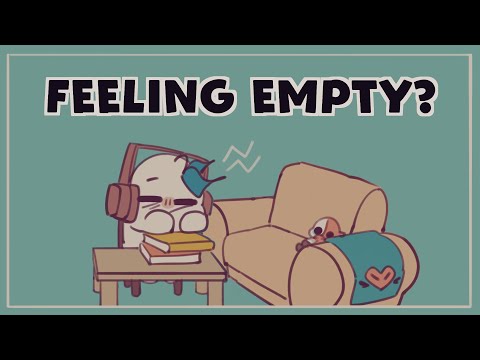
Hey, you know that feeling when everything around you just seems… off? Like, you’re there but not really there? It’s weird, right?
Being numb inside can be super confusing. One minute you’re going about your day, and then it hits you—a sort of gray fog. Emotions feel distant, like they’re on the other side of a thick glass wall.
I remember a time when I was in a funk. Things were happening—big stuff—but I couldn’t feel anything. Just floating through life without really experiencing it. Sound familiar?
That disconnect can be hard to shake off. And it’s okay to want to understand what’s going on. So let’s break it down together, you know?
Understanding Emotional Disconnection: Key Signs You Shouldn’t Ignore
Emotional disconnection can feel like a heavy fog. You know something’s off, but pinpointing it is tough. Basically, it’s that sense of feeling numb or blocked from your own emotions. If you’ve ever felt this way, trust me, you’re not alone.
What are the signs of emotional disconnection? Here are some key things to watch for:
- Feeling Numb: You might go through your day with little to no emotional response. Like when you’re watching a movie that should make you cry, but you’re just staring blankly at the screen.
- Avoidance: Maybe you’ve been ducking social situations or ignoring calls from friends. It’s easier to ghost than to deal with those interactions that just feel too intense.
- Lack of Motivation: Tasks that used to excite you now seem like chore drudgery. Even picking up a hobby doesn’t spark joy anymore.
- Irritability: You might find yourself getting annoyed easily—a tiny inconvenience takes on massive proportions, and it’s hard to figure out why.
- Difficulty Connecting: Engaging in deep conversations or expressing feelings feels like climbing Mount Everest. It’s exhausting and intimidating.
Now, think about the last time you felt genuinely excited about something. Did it feel ages ago? That disconnect can really mess with your relationships too. Perhaps someone asks how you’re doing, and the answer is always “fine.” But inside… well, it’s more complicated.
People often experience this emotional disengagement during tough times—like after a stressful job loss or a breakup. It’s kind of like your mind has hit “pause” on feeling so you can cope better. A friend of mine went through a rough patch after losing their job. At first, they didn’t realize they’d switched off emotionally until one day they found themselves crying over a commercial!
How do you navigate this? Recognizing it is the first step—so pat yourself on the back for noticing! From there, talking about it can be huge; whether it’s with friends, family, or even a professional who gets it is important.
But remember: emotional disconnection isn’t permanent. It often requires some time and kindness towards yourself to peel back those layers and reconnect with what you’re feeling inside.
If it feels overwhelming or lasts too long though? Don’t hesitate to reach out for help! You don’t have to go through this alone; there’s support out there waiting for you!
Understanding Emotional Blunting: Signs, Symptoms, and Personal Experiences
Emotional blunting is one of those things that can really throw you off. You know that feeling when life just feels a bit gray? Like you’re standing on the sidelines while everyone else is in full color? That’s emotional blunting. It’s basically when you start feeling less intense emotions, or even feel kinda numb inside.
Signs of Emotional Blunting
So, what does it look like? Well, there are a few signs to pay attention to:
- You might notice that you don’t get excited about things anymore. Planning a trip or hanging out with friends used to spark joy, but now? Meh.
- Sometimes, sadness and anger might fade too. You hear bad news and think “that’s rough,” but there’s no real emotional reaction.
- Your relationships could feel strained because connecting with others requires emotion—something you might be lacking right now.
I remember talking to a friend who had been through some heavy stuff—lost her job and went through a breakup. She shared how she felt locked away in her own mind, just going through the motions every day. She said she’d wake up and just not care about anything; it was like watching life happen from behind glass.
Symptoms
Symptoms can also vary from person to person. Common experiences include:
- A general sense of detachment from your surroundings; everything seems distant.
- A lack of motivation or drive—like you’re coasting without really being engaged.
- You may find it hard to express feelings or identify what you’re really feeling at all.
There are also some less obvious signs. Maybe you’re zoning out during conversations or struggling to show empathy for friends who need support. You want to help them, but it feels like there’s this invisible wall between their pain and your heart.
The Causes
Now, the thing is, emotional blunting isn’t always random. It can sometimes be tied to mental health conditions like depression or anxiety. Medications used for these issues—especially antidepressants—might play a role too.
It can be frustrating when you’re trying to get better but feel this disconnect instead! Sometimes it comes up after experiencing trauma or prolonged stress; your mind’s way of protecting itself from overwhelming feelings.
Navigating Emotional Blunting
You’re probably wondering how to deal with this situation, right? There are ways you can reconnect with your emotions again:
- Therapy could be an option! Sometimes talking it out with someone helps shed light on what’s going on.
- Meditation and mindfulness practices might help—you’re basically training yourself to notice feelings more deeply.
- A good support system makes a difference too! Friends who check in on you and share their own experiences can help rekindle that connection.
It takes time, though—nothing happens overnight! You might not solve everything in one session or get an instant breakthrough, so hang in there.
Basically, if emotional blunting is part of your life right now, just know you’re not alone in this struggle. Many people go through periods where they feel disconnected from their emotions for various reasons. Understanding what’s happening is the first step toward finding a way back into vibrant living again!
Understanding the Difference: Emotional Detachment vs. Emotional Numbness
and emotional numbness are terms that often get thrown around, but they mean different things. Let’s break them down.
So, emotional detachment is like creating a fence around your feelings. You’re present and aware, but you choose to keep your emotions at bay. It can happen for various reasons—maybe you faced a tough situation and decided that shutting down was easier than dealing with the pain. You might notice someone who is emotionally detached participating in conversations and social gatherings, but not really letting anyone in.
But emotional numbness? That’s a different beast entirely. It feels like you’re living through a fog where everything seems muted or dulled. You might not feel anything at all—happy or sad. It’s as if your emotions took a one-way trip out of town without telling you’ll they were leaving! This can happen after a traumatic experience or when you’re overwhelmed by stress.
To put it simply:
- : It’s like keeping your feelings on a leash.
- Emotional numbness: It’s more like there’s no feelings to even leash!
Let me give you an example to make this clearer. Imagine two friends who just went through a breakup together. One friend, Jamie, decides to keep busy with work and social activities and doesn’t want to talk about their feelings much—that’s emotional detachment at play. They’re okay socially but aren’t really opening up about how hurt they feel.
Now then, the other friend, Alex, feels absolutely nothing after the breakup; they watch movies or scroll through their phone without feeling joy or sadness about it—and that’s emotional numbness. They just can’t connect to any of it anymore.
And here’s the kicker: while both states can be coping mechanisms, they’re not the same! might help someone manage situations without being overwhelmed by emotions at that moment—but over time, it could hurt relationships since others might feel shut out.
On the flip side, emotional numbness can be alarming because it strips away your ability to connect with yourself or others effectively—you end up feeling isolated in your own mind.
It’s essential to know which one is affecting you because the way out looks different for each state. If you’re dealing with emotional detachment, therapy could help you learn how to express feelings safely again; you’d be working toward building those connections back up.
In contrast, if you’re experiencing profound emotional numbness, addressing any underlying trauma or stressors becomes crucial—you deserve to feel alive and connected again!
In short, understanding these differences isn’t just academic—it can give you insight into what you’re feeling and why so you can find your way back to better mental health!
You know that feeling when you’re just kinda going through the motions of life? I mean, everything seems fine on the surface, but deep down, it’s like you’ve hit a wall and can’t really feel much of anything? That numbness can be pretty unsettling. It’s like your emotions are muted, and you’re just watching your life play out from the sidelines.
I remember a time not too long ago when I was in that space. I was sitting at a friend’s birthday party, surrounded by laughter and chatter. People were dancing, tossing back drinks, having a blast. And there I was—smiling, making small talk, but feeling like I was in some sort of bubble. It was almost like I could see myself moving and interacting with everyone around me but couldn’t really connect with what they were feeling or even what I felt. It was strange. Sometimes it felt like I was standing on the shore while everyone else swam in the ocean of emotions.
So what leads to that emotional disconnect? Well, there are many factors at play. Stress can be a huge trigger—like when your life feels overwhelming and you just want to shut down for a bit. Or maybe it’s sadness or grief creeping in after something significant has happened—a loss or even just a change that feels too big to handle. It’s as if our brains put up these walls to protect us from pain, but then we end up blocking out everything else too.
And let’s talk about numbness during tough times; it’s one way our body copes with heavy emotions. You might not feel sad one moment and then suddenly burst into tears over something small later on—like dropping your keys or tripping over nothing! Your brain is trying to keep you safe by keeping those intense feelings at bay but ends up disconnecting you from joy as well.
Navigating this emotional disconnect isn’t super easy. Some people find talking about their feelings helpful—whether it’s to friends or through therapy—and honestly sometimes it takes just one honest conversation to pull someone back into the emotional world instead of being stuck outside looking in.
So if you’re feeling numb inside sometimes? You’re definitely not alone in this experience! There are ways through it—exploring what makes you feel even a little spark of joy might help light things up again. Whether it’s listening to music that gives you goosebumps or revisiting hobbies that once brought you happiness—it’s about finding those moments that make you go “Oh yeah! This is me!”
Just remember: it’s okay to feel disconnected sometimes; we all have those moments when life feels overwhelming or colorless. The key is recognizing it and taking small steps forward—even if they initially seem hard to make!