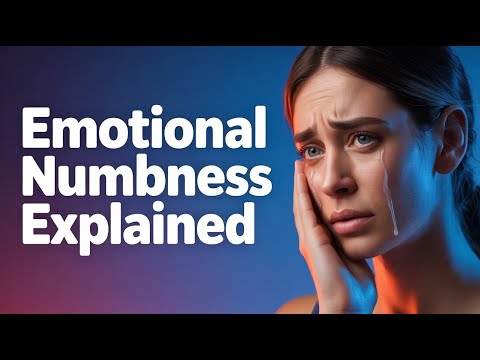
Hey, you ever feel just… well, nothing? Like, you’re floating through life but not really feeling it? Yeah, that’s emotional numbness.
It’s more common than you think. It creeps in during tough times or when we’re overloaded with feelings. You know how it is—life throws curveballs and suddenly, you’re just coasting through the motions.
Sometimes it’s hard to understand why this happens. I mean, one minute you’re on a high and the next, you’re just flat.
So let’s chat about what emotional numbness means and why it can feel so heavy. You’ll see you’re not alone in this journey.
Understanding Emotional Numbness: The Impact of Trauma on Mental Health
Emotional numbness is one of those feelings that can sneak up on you when you least expect it. It’s like your emotional thermostat just got turned down to the lowest setting, and everything feels flat. You might find yourself zoning out during conversations or feeling disconnected from things that used to make you happy. This can be a common response to trauma, which really messes with how we process feelings.
Trauma changes us, sometimes in ways we don’t even realize at first. When something really unsettling happens—like losing someone close, going through a traumatic event, or even experiencing prolonged stress—our brains try to protect us. So they sort of hit the pause button on emotions as a way to keep us from feeling overwhelmed.
You know how when you’re watching a scary movie, and you cover your eyes during the most intense parts? That’s kind of what happens emotionally after trauma. It’s like your mind says, “Whoa, this is too much.” Your body might still react with stress responses, but your emotional side might go quiet.
Here are some important things to understand about emotional numbness and its link with trauma:
- Defense Mechanism: Numbness is often a protective shield. It helps you manage overwhelming feelings.
- Difficulty Connecting: You may struggle to feel close to others or find joy in activities.
- Physical Symptoms: The numbness isn’t just mental; it can manifest physically too—like feeling tired all the time or having headaches.
- Mood Swings: While you may feel numb overall, there could be sudden bursts of anger or sadness.
Think about Sarah for a second. She went through a really rough patch after her dad passed away unexpectedly. For months afterward, she felt like she was floating through life without actually being present for any of it. Friends would invite her out, but she’d just say yes without really wanting to go. Deep down, she missed him so much that thinking about his absence hurt too much to bear.
That’s just one example showing how trauma can lead us to build walls around our feelings. And here’s the kicker: these walls aren’t always easy to tear down later on! But acknowledging this numbness is absolutely crucial if you want to start feeling again.
Getting back in touch with your emotions isn’t usually an overnight deal; it takes time and effort. Sometimes talking about what happened—even if it feels difficult—can help chip away at that wall you’ve built up around your heart.
Here are some ways people often navigate through emotional numbness:
- Therapy: Working with a therapist can help unpack those painful experiences safely.
- Journaling: Writing down thoughts and feelings encourages self-reflection.
- Mindfulness Practices: Techniques like meditation can help reconnect you with your emotions.
If you’re feeling stuck in that numb state, remember—it’s okay not to have all the answers right now! Recognizing what you’re experiencing is the first step toward healing and reclaiming those vibrant emotions again. Everyone’s journey looks different but taking small steps forward can lead you back toward feeling whole again!
Understanding Emotional Numbness: Mental Illnesses That Cause Detachment and Apathy
Emotional numbness is one of those experiences that can be really unsettling. You know, when you just feel like a spectator in your own life? It’s like everything is happening, but you’re not really *feeling* it. This detachment isn’t just a fleeting thing; it can be linked to several mental health conditions that we should talk about.
So, what causes this numbness? There are a few main players in the arena of mental illness that might leave you feeling flat or apathetic. Here are some of the big ones:
- Depression: This one’s probably the most well-known culprit. People often describe feeling empty or devoid of emotions. Like, even when something good happens, you just can’t bring yourself to care.
- Anxiety Disorders: Oddly enough, chronic anxiety can lead to feeling detached too. You’re so wound up and overwhelmed that your brain kind of shuts off your emotional responses as a way to cope.
- Post-Traumatic Stress Disorder (PTSD): After trauma, some folks feel emotionally numbed as a defense mechanism to avoid the pain associated with memories of what happened.
- Bipolar Disorder: During depressive episodes in bipolar disorder, it’s common to feel an absence of emotion—like all those highs and lows have just flattened out into nothing.
- Schizophrenia: Some people living with schizophrenia report experiencing feelings of detachment occasionally. It’s complex and often tied to how they experience reality.
Emotional numbness is like walking through life in black and white while everyone else is splashed with color. You might look around and see laughter or sadness on other people’s faces but can’t seem to connect with any of those feelings yourself.
Now here’s something important: feeling emotionally numb doesn’t mean you’re heartless or indifferent. It often stems from being overwhelmed—like your brain’s way of protecting you from feelings that are just too intense or painful.
Imagine someone who lost their job suddenly…and instead of being upset about it, they just don’t feel anything at all. No anger, no sadness—just silence inside their head. This person may think there’s something wrong with them for not reacting typically when in fact they’re experiencing emotional numbing due to stress.
If you’re stuck in this place for more than a little while, it’s definitely time to reach out for help. Therapy can provide a safe space to explore these feelings—or lack thereof—and help you reconnect with yourself and your emotions.
In therapy sessions, you might delve into past experiences or focus on finding little joys again. The goal would be getting back at least some color into your world so that things start feeling alive once more!
Remember though—it takes time and effort., But digging into emotions doesn’t have to be scary; sometimes it’s about taking baby steps toward rediscovering what makes you feel *you*.
Understanding the Connection Between Numbness and Emotional States: Unpacking the Feelings Behind Emotional Detachment
Emotional numbness can feel like you’re stuck in a fog. You know, like when your favorite song plays, but you just can’t feel the energy of it. That kind of vibe where everything around you is muted. This sense of detachment can be pretty confusing, especially when you’re trying to understand what’s really going on beneath the surface.
First off, let’s talk about what emotional numbness actually is. It’s not just feeling sad or down; it’s like a blanket over your feelings. You might have experienced something traumatic or maybe just overwhelming stress. Your mind puts up these walls to protect you from pain. So, instead of dealing with those big feelings, you end up feeling—well—nothing.
You might wonder why this happens to some people and not others. Here are a few reasons that could explain the connection between numbness and emotional states:
- Trauma: When something really bad happens, your brain tries to shield you from that hurt. Think about someone who goes through a car accident; they might feel numb afterward as a way to cope.
- Anxiety and Depression: Both of these conditions can lead to emotional detachment. You might feel overwhelmed by constant worry or sadness and shut down as a way to cope.
- Stress Overload: Just having too much on your plate can cause you to zone out emotionally. Imagine juggling work, family responsibilities, and personal issues—eventually, it becomes too much!
- Mental Health Conditions: Some disorders naturally come with emotional numbness as part of their symptoms. For instance, borderline personality disorder often includes swings in emotions followed by periods of feeling disconnected.
So here’s the thing: being emotionally detached doesn’t mean you don’t care or aren’t capable of feeling things. It can stem from various experiences or mental health struggles that push those feelings away temporarily.
Now let me share something personal—a friend once mentioned feeling completely lost after a breakup. They said that while everyone around them was crying or angry, they felt nothing at all—a total void. They thought something was wrong with them for not being upset; turns out they were just protecting themselves from the intense hurt.
If you’re experiencing emotional numbness, know that acknowledging it is a step towards understanding yourself better. It might help if you talk to someone about what you’re going through—friends, family, or even a therapist who knows how to navigate these waters.
Recognizing these feelings—and why they happen—can open doors for healing and connection again with those emotions you’ve been keeping at bay for so long. You’re not alone in this journey!
Emotional numbness, wow, it’s such a strange feeling, right? Like, one moment you’re living, laughing, and then *bam*, everything just feels… flat. It’s like someone turned down the volume on your emotions, and suddenly you’re just coasting through life in this gray zone.
Imagine a time when you got some news that should’ve made you jump for joy—maybe a friend got engaged or you landed that job you’ve been eyeing. But instead of feeling that rush of happiness, all you really feel is “meh.” You know? Like your heart is there but it’s not really connecting to anything anymore.
What’s frustrating is that emotional numbness often sneaks up on you. It might start with a few rough days where maybe you’re a bit more tired than usual or stressed out. Then before you know it, weeks go by and everything feels dull and meaningless. “Am I sad? Am I okay?” Those questions swirl around in your head like they’re stuck in a maze.
So why does this happen? Well, it can be tied to things like anxiety or depression as your brain tries to protect itself from overwhelming feelings—kind of like putting on emotional armor. You might find yourself scrolling mindlessly through social media or binge-watching shows just to distract yourself from that heaviness inside. Been there? Yeah, me too.
But here’s the thing: navigating through this numbness doesn’t mean you have to just wait for it to pass. Seeking help can be key—talking with someone can unlock those feelings again slowly but surely. A therapist can help guide you back to reconnecting with what makes you tick or what once brought joy into your life.
For me, I remember talking with my best friend after feeling really detached for months. She shared her own experiences and how she found comfort in small things—like savoring her morning coffee or listening to music that resonated with her emotions. That advice stuck with me! Sometimes it’s those little sparks that can reignite the flame of emotion.
So yeah, if you’re battling emotional numbness—or even just finding it tough to feel what everyone else seems able to feel—it’s totally okay; you’re not alone in this wild experience we call life. Remember: taking one tiny step at a time is still moving forward!