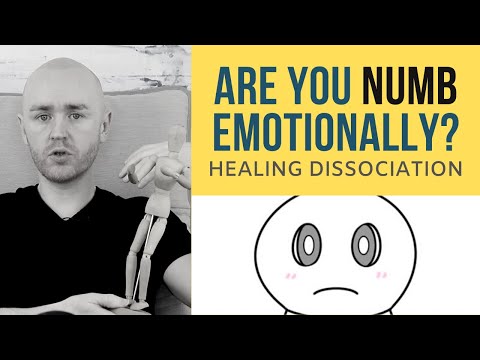
You know that feeling when everything seems muted? Like you’re stuck in a bubble, watching life go by but not really feeling it? Yeah, that’s emotional numbness. It’s weird, right?
Sometimes, you might not even realize it’s happening. One day you’re laughing at a joke, and the next, nothing feels funny anymore. Kinda heavy stuff.
It’s like this silent space inside of you. You want to scream or cry or do something, but… nothing comes out.
People talk about sadness or anxiety all the time. But what about when you just feel blank? It’s real too.
In this little chat, we’ll dig into that silence within. What it means, why it happens, and how to navigate your way back to feeling again. So stick around; let’s break it down together.
Understanding Emotional Blunting: Symptoms, Feelings, and Coping Strategies
Emotional blunting can feel a bit like living in black and white when everyone else is soaking up all the colors. You might notice a sense of numbness where you used to feel excitement, happiness, or even sadness. It’s like your emotions are on mute. But what causes this condition, and how can you navigate through it? Let’s break it down.
What is Emotional Blunting?
Emotional blunting is when you experience a significant reduction in emotional responsiveness. It can happen to anyone, but it’s often linked to anxiety, depression, post-traumatic stress disorder (PTSD), or the use of certain medications like antidepressants. Imagine feeling nothing at all when something good happens; that’s emotional blunting doing its thing.
Symptoms
The symptoms can vary from person to person, but commonly include:
You know, I had a friend who loved hiking and suddenly found herself not caring about her weekend trips anymore. It was alarming because she used to jump at any opportunity for adventure!
Feelings Associated with Emotional Blunting
Those battling emotional blunting often report feeling isolated or disconnected from those around them. You might think everyone else is living their lives fully while you’re just… there. This can trigger guilt or shame on top of the numbness itself—a real double whammy.
Sometimes people experience overwhelming emotions that they can’t seem to express appropriately. It’s frustrating because it’s like having a huge storm inside that nobody else can see!
Coping Strategies
Finding ways to cope with emotional blunting can be tough but there are definitely some strategies worth trying:
A while back, I read about someone who started painting as an outlet. They were trying to express what they couldn’t say out loud. The act itself didn’t require words but allowed them to feel something again—even if it was just the color splashing against canvas.
In the end, navigating emotional blunting takes time and patience. You’ve got every right to seek help if you’re struggling through this silence within yourself. Understanding it is the first step toward finding your voice again!
Understanding Emotional Numbness: Is It a Form of Dissociation?
Emotional numbness can feel like you’re living in a fog. You know, when things that usually hit you hard—like a beautiful sunset or your best friend’s laughter—just don’t seem to register? You might be there physically, but emotionally? Not so much.
Now, you might be asking yourself, *Is this just me being moody or is there something more going on?* Well, it’s a bit more complex than that. Emotional numbness is often considered a protective mechanism. Basically, when life gets too overwhelming or painful, your brain might just switch off those feelings for a while. It’s like an emotional safety net. But is it a form of dissociation? Let’s break it down.
Dissociation refers to feeling disconnected from your thoughts, feelings, or sense of self. It can happen after trauma or during times of extreme stress. So you’ve got this two-fold thing happening; emotional numbness can coexist with dissociation but isn’t necessarily the same thing. Think of dissociation as being on another planet while emotional numbness feels more like being stuck in neutral gear.
- Triggers: Events causing emotional pain like loss or trauma often leave us feeling numb.
- Dissociative experiences: These can range from mild daydreaming to losing track of time or even not feeling real.
- Signs: If you notice ongoing numbness affecting your relationships and daily life, that’s a sign it’s time to pay attention.
If you think about it in terms of coping strategies: imagine facing constant criticism at work. Over time, you might start to feel nothing about it anymore because the pain is just too much to bear. This numbing can also serve as an almost automatic reaction; it’s not always something we consciously choose.
Sometimes people confuse emotional numbness with depression too—like if you’ve been feeling low for ages and nothing seems fun anymore—that’s missing out on joy and excitement! But sometimes the experience is totally separate from mood disorders.
Maybe you’ve felt something like this before: sitting at home after a rough day and watching TV without really getting into it. You laugh at the jokes but inside? It’s flat as soda left out too long. You’re disengaged from everything around you.
It’s also worth mentioning that prolonged emotional numbness can complicate things further by leading to other issues. Like substance use as an escape route; some people turn to alcohol or drugs as a way to feel alive again.
So what do you do if you’re stuck in this space? Taking small steps towards reconnecting with yourself could be key:
- Talk therapy: Speaking with someone can help untangle those emotions.
- Meditation: This practice can ground you back into your body and emotions.
- Journaling: Getting thoughts out on paper helps identify what you’re really feeling.
It’s important to know that if you’re feeling emotionally numb, you’re definitely not alone in this! Many folks go through periods where feelings just seem turned down low.
But one last note: if this continues for long periods or interferes majorly with your life—well then reaching out for professional help could be really beneficial. Just remember that taking steps towards understanding these feelings is already pretty brave!
Understanding Emotional Numbness: Is It a Hidden Danger to Your Mental Health?
Emotional numbness can feel like a fog rolling in. One moment, you’re cruising through life, and the next, everything’s dulled. It’s like someone turned down the volume on your feelings. But what exactly is emotional numbness?
This state often comes up when you’ve been through something really tough. Think about it: have you ever experienced a breakup or lost someone close to you? In those moments, your mind might react by shutting down your emotions as a way to protect yourself. That makes sense, right? You don’t want to feel every little bit of pain all at once.
In essence, emotional numbness is like putting on a thick blanket of insulation around your feelings. But while it might provide short-term relief, it can become a hidden danger to your mental health. Why? Because over time, that blanket can get heavy.
When you’re emotionally numb, you’re also disengaged from life. People around you start noticing that you seem distant or uninterested in activities that once brought you joy—like hanging out with friends or diving into hobbies. And that disengagement can feed into loneliness and eventually lead to anxiety or depression.
Here are some things to consider about emotional numbness:
- It’s often a coping mechanism: Your brain is trying to shield you from overwhelming feelings.
- It affects relationships: Emotional disconnection means less intimacy with others.
- It may signal deeper issues: Sometimes it’s tied to conditions like PTSD or depression.
- You might not even realize it: Many people don’t see they’re numb until they start feeling again.
For instance, let’s say Jamie just went through a difficult divorce. At first, she felt relieved from the stress but soon realized she couldn’t cry about the end of her marriage or even laugh at her favorite shows anymore. It was unsettling for her friends who wanted her to open up and heal; instead, Jamie felt isolated in her own silence.
What’s tricky here is that emotional numbness isn’t always obvious. You might think things are fine because you’re going through the motions—work’s still getting done and you’re keeping up with everyday responsibilities—but inside? It feels like an empty shell.
If this sounds familiar to you—or if it resonates with someone else—you might want to consider talking to someone about it. A therapist could help sort through those tangled thoughts and feelings that you’re putting on hold.
Listen: feeling emotions again could be an important step toward healing but getting there isn’t always easy—that’s where support comes in handy! Remember though: feeling nothing isn’t normal; it’s just where you’ve been for now.
In summary, emotional numbness isn’t just an odd phase—it can signal deeper problems waiting for attention. So paying attention when this fog rolls in is crucial for maintaining your mental health! Do check in with yourself; those feelings matter more than we often realize.
Emotional numbness, huh? It’s this weird space where you feel like you’re just floating through life, disconnected from everything. You might go about your day, but it’s like you’re on autopilot. Honestly, I think we’ve all been there at some point.
Picture this: You have a friend who’s going through a tough time. They’re upset and you want to be supportive, but when you check in, it’s like their emotions are locked in a vault. That silence can be deafening, right? You want to reach out and help them feel again, but it’s tough when they seem so distant.
I remember a time when I felt this way myself. I was dealing with a lot—work stress, family drama—a total overload. I could tell that something felt off because I wasn’t really feeling anything at all. Friends would ask me how I was doing, and honestly? I was just… blank. It’s like the world was around me in vivid color while I was stuck in grayscale.
The thing is, emotional numbness isn’t just about shutting down feelings; it can also come from trying to protect yourself from pain or overwhelm. It’s almost like your brain hits the mute button to keep from feeling too much too fast. And while that might seem handy at first—like wearing emotional armor—it can turn into an uninvited guest that overstays its welcome.
But here’s what surprised me: Eventually, those feelings don’t just disappear; they simmer underneath the surface. Maybe you start getting sudden bursts of anger or sadness over little things that don’t quite make sense. That’s the mind’s way of saying “Hey! Let’s talk about this!” But instead of knocking on the door of your heart, those feelings do more than knock—they start breaking windows!
Navigating through this silence within requires some serious self-reflection and often a sprinkle of patience. Connecting with those emotions isn’t easy; sometimes it’s straight-up messy! And reaching out for help—whether it’s chatting with friends or diving into therapy—can really open doors (and windows!) that you’ve kept closed for too long.
At the end of the day, experiencing emotional numbness doesn’t mean there’s something wrong with you; it just shows how beautifully complex we humans are. We’ve got layers to peel back and stories waiting to be told—and taking that first step can feel daunting but incredibly liberating too! So if you’re feeling muffled right now? That silence doesn’t have to last forever—you’ve got the power to find your voice again!