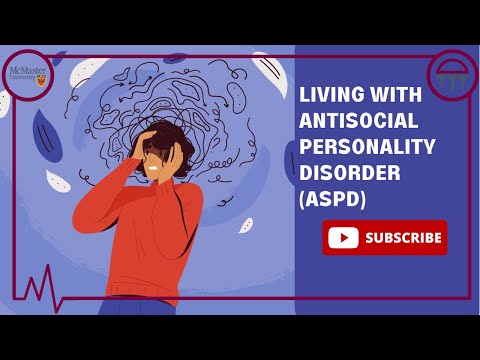
So, let’s chat about something a little on the heavy side: Antisocial Personality Disorder, or ASPD for short. It’s not your average dinner conversation, right?
But, seriously, living with ASPD can be a wild ride. You might feel like you’re on a rollercoaster—ups, downs, and everything in between.
I mean, imagine trying to navigate your emotions when they’re all mixed up and chaotic. Yikes!
People often think it’s all about being “bad” or “evil,” but that’s just a surface-level view. There’s so much more beneath the surface that most folks don’t get to see.
And trust me, there are challenges that come with this diagnosis that can really mess with your life and relationships.
Understanding the Impact of Antisocial Personality Disorder on Daily Life: Key Insights and Coping Strategies
Antisocial Personality Disorder, or ASPD, can really shake things up in daily life. It’s this complex mental health condition that affects how someone interacts with others and views the world. But let’s break it down a bit, shall we?
People with ASPD often struggle with understanding social norms. You know, like basic things we all kind of take for granted. They might be seen as charming or charismatic at first, but that can quickly fade when their behavior starts to show some patterns—like lying or manipulating others.
Challenges in Daily Life
Living with ASPD means facing some real hurdles daily. Here are some key challenges:
So imagine someone who constantly pushes boundaries at work. One day they’re the life of the party, making jokes and getting lots of laughs. But then they might cross a line without even realizing it—by taking credit for someone else’s work or making inappropriate comments—and suddenly they’re on thin ice.
Mental Health Insights
It’s important to recognize that people with ASPD often have co-occurring issues like depression or anxiety. It’s tough out there! This means their emotional well-being isn’t just affected by ASPD itself but also by these added layers of complexity.
You probably wonder about coping strategies for those living with this disorder—or their loved ones trying to support them. Well, let’s look at a few:
So think about this: having a safe space where people share their experiences offers warmth when everything feels cold and distant.
It’s not all doom and gloom! Progress is absolutely possible; small steps towards better understanding oneself can lead to meaningful change over time. You see how important awareness is here?
Living with Antisocial Personality Disorder is complicated but being aware of its impact on your life—and maybe finding ways to cope—is powerful stuff! In the journey ahead, remember that managing emotions and relationships will require patience from everyone involved. Making an effort every day really counts in creating a better future despite those challenges ahead!
Understanding the 3-Month Rule in Mental Health: A Key to Lasting Well-Being
The “3-Month Rule” in mental health is pretty interesting. Basically, it means that for someone dealing with mental health challenges, changes and improvements often take about three months to really settle in. This is especially true for folks living with conditions like Antisocial Personality Disorder (ASPD).
When you’re living with ASPD, making meaningful changes can be tough. You might find yourself stuck in the same patterns of behavior. Like, let’s say you’ve been working on your relationships or trying to control impulsive actions—these things can feel like climbing a steep mountain. It’s not just a quick fix; it takes time.
So, why three months? Well, the brain needs time to adjust to new habits and ways of thinking. It’s like training a muscle; if you want it to grow stronger, you’ve got to lift weights regularly for an extended period. You wouldn’t expect to bench press 200 pounds after one workout, right? You follow me?
Another thing is that during these three months, the ups and downs might be pretty wild. One day you feel great and think everything’s clicking into place. The next day? Not so much—you’re back in old habits or feeling disconnected from your emotions.
Think about this: if you’ve been learning how to empathize better or find healthier ways to express anger, it won’t happen overnight. You’ll likely face setbacks along the way; however, that’s part of the healing journey.
Here are some key points about the 3-Month Rule:
Living with ASPD can mean navigating a maze of emotions and behaviors that don’t always play nice together. Over time—and especially within those crucial three months—you might start noticing those tiny victories piling up.
Ever heard someone talk about how their therapist helped them see progress when they thought nothing was changing? That’s what I mean by being patient! Celebrate every small win because they count!
Remember too that therapy can play a big role in this process. Therapists will often emphasize that meaningful change doesn’t just happen on their watch; it requires commitment from your side as well.
So yeah, give yourself grace during this time. Embrace the messiness of growth because it’s all part of becoming who you’re meant to be—even with ASPD’s challenges tagging along for the ride!
Living with Antisocial Personality Disorder: Tips for Support and Understanding
Living with Antisocial Personality Disorder (ASPD) can be really challenging. Whether it’s yourself or someone you know, understanding this condition helps not just the person dealing with it but also their loved ones.
First off, **ASPD** is characterized by a long-term pattern of disregard for other people’s rights and feelings. It’s not just about being selfish or reckless. People with ASPD may struggle with empathy, which means they find it tough to connect emotionally with others. Imagine feeling like you’re in a room full of people yet not really seeing or feeling what they’re going through—that’s kind of how it can be.
If you’re living with someone who has ASPD, or even if you have it yourself, here are some key points to consider:
- Communication is key. Effective communication helps in expressing feelings and needs without judgment. Use straightforward language and focus on listening. It’s important to create an environment where everyone feels safe to voice their opinions.
- Set clear boundaries. Establishing limits is crucial. For instance, if someone’s behavior makes you uncomfortable, let them know firmly but kindly what those boundaries are. This clarity can help prevent misunderstandings.
- Encourage therapy. Professional help can provide valuable insights and coping mechanisms for those with ASPD. Therapists often use techniques like cognitive-behavioral therapy to assist individuals in recognizing harmful patterns and fostering healthier relationships.
- The power of support networks. Having a support system is vital—friends, family, or support groups can provide compassion and understanding. Sometimes just knowing others care can make a huge difference in someone’s life.
- Acknowledge progress. Celebrate small victories! Whether it’s showing more empathy in a situation or successfully managing an impulse—recognizing these moments matters. Positive reinforcement promotes continued growth!
Living with ASPD doesn’t mean a person is destined to struggle forever; there’s potential for change! Just think of someone you know who may face this challenge—they might surprise you when they start taking steps towards understanding themselves better.
When I think about these things, I remember a friend who struggled with pushing people away yet wanted connection desperately. It took time, but through therapy and open discussions about feelings (even the tough ones), they learned how to approach relationships more healthily.
In essence, navigating life with Antisocial Personality Disorder involves patience—for both the individual and those around them. Understanding that change is possible creates hope. And that hope? It’s what keeps us all moving forward together!
Living with Antisocial Personality Disorder (ASPD) can feel like you’re navigating a tricky maze. You probably know it as that condition where folks seem to lack regard for others’ feelings and, like, maybe don’t play by the social rules too well. But here’s the thing: it’s not just about being a “bad person.” It’s a lot deeper than that, and those who live with it face some real challenges.
I remember chatting with a friend of mine who was diagnosed with ASPD. He was really open about how he struggled in relationships. Like, he had this intense longing for connection but often felt disconnected from emotions. It was almost as if he could see the warmth of friendship from afar but couldn’t touch it. He’d try to fit in, crack jokes, and make plans—but eventually, he’d pull back because it all felt too overwhelming or… fake? I don’t want to say that everyone experiences ASPD like my friend did, but his story definitely sheds light on some common difficulties.
For starters, forming meaningful connections can be super tough. It’s not that people with ASPD don’t want friendships or love; it’s more like they might struggle to express those desires in ways that make sense to others. So imagine wanting to connect but feeling like there’s this invisible wall up all the time. Can be frustrating!
Then there’s the whole societal stigma surrounding ASPD. People often jump to conclusions based on stereotypes and forget that someone living with this disorder is still a human being—complex and layered just like anyone else. This can lead folks to feel isolated or misunderstood, making matters worse for their mental health.
Coping mechanisms also come into play here. Some might turn to risky behaviors or even substance abuse as a way to escape the emotional turmoil they experience or simply because they’re trying out new things—sometimes without thinking of the consequences. Suddenly, what starts as an escape route turns into another set of hurdles.
Therapy can be beneficial—and trust me; it’s not just about “fixing” someone—it’s about understanding how thoughts and feelings intertwine and how you can navigate life in healthier ways. My friend found chatting with someone helpful; it gave him space to explore his feelings without judgment.
Ultimately, living with ASPD isn’t just black and white; it’s painted in shades of grey where challenges meet insights about oneself. Yes, it can be hard at times—like really hard—but there’s potential for growth when one decides to engage with their experiences rather than run away from them.
So yeah, if you know someone dealing with this—or if you’re on that journey yourself—know it’s okay not to have everything figured out right away! Life is messy; that’s part of what makes us human!