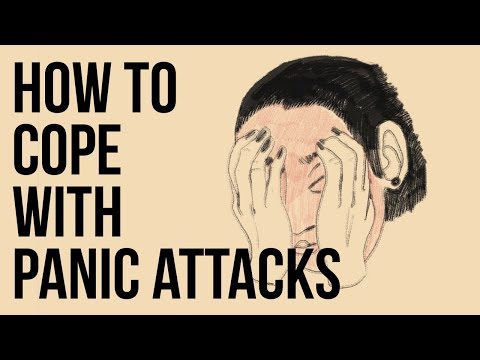
You’re going about your day, just cruising along. And suddenly, bam! Your heart races. You feel shaky. You might even think you’re losing it for a second. Yep, that’s a panic attack creeping in.
It can hit you out of nowhere—like getting blindsided by a rogue wave at the beach. You’re just trying to grab a coffee or catch up with a friend, and then—whoosh! Panic hits like an unexpected storm.
Don’t worry; you’re not alone in this. Seriously, it happens to more people than you think. The thing is, there are ways to handle those surprise moments when everything feels overwhelming.
Let’s talk about some simple strategies to help you stay grounded when panic decides to crash your party. Because who needs that kind of drama, right?
Overcoming Panic Attacks: Effective Strategies to Stop Them for Good
Panic attacks can be really overwhelming, right? One moment you’re chilling, and the next, your heart’s racing like you just ran a marathon. Understanding how to handle them is super important, so let’s break it down together.
First off, it’s crucial to recognize what’s happening when you feel that panic setting in. It’s like your body is switching to emergency mode for no clear reason. Some common symptoms include:
- Rapid heartbeat: You might feel like your heart is going to burst out of your chest.
- Shortness of breath: Breathing can become shallow or feel completely out of control.
- Dizziness or lightheadedness: It’s almost like the ground isn’t steady under you.
- Nausea: Your stomach might start doing flips.
So how do you cope when these feelings hit? Well, there are some effective strategies that can help you regain control:
One technique is deep breathing. Sounds simple, huh? But it works. When you breathe deeply and slowly—think about filling up your belly with air—it sends a signal to your brain that it’s okay to chill out. Try inhaling for a count of four, holding for four, and then exhaling for six. Seriously, give it a shot!
Another helpful method is grounding techniques. These are perfect for when panic strikes. Picture yourself in an elevator: count the floors as they go up or down. Or maybe pick five things around you—focus on colors or textures. This helps pull you back into the moment.
Sometimes people find comfort in visualization. Imagine a place where you feel safe and happy—like a beach or your cozy couch with your favorite blanket. Close your eyes and really picture it; what do you hear? Smell? Feel? This can help distract from escalating panic.
Now let’s not forget about talking it out. Having someone who gets it makes all the difference! Reach out to friends or family who can listen without judgment. Sometimes just voicing what you’re feeling takes away its power.
Of course, if panic attacks keep showing up uninvited, seeking help from a mental health professional might be the way to go. They can offer tools tailored just for you—maybe cognitive behavioral therapy (CBT) or even discussing medication if needed.
Lastly, regular exercise helps too! I know it sounds cliché, but seriously moving your body releases those feel-good chemicals called endorphins which can really help balance those uninvited feelings.
Just remember: overcoming panic isn’t about erasing them from existence but finding ways to manage them when they come knocking on the door of your calm life. And hey, it’s totally okay to take things one step at a time!
Understanding the Difference Between Panic Attacks and Anxiety Attacks: Key Insights for Better Mental Health
Panic attacks and anxiety attacks might sound the same, but they’re not. It’s like comparing apples to oranges. Yes, both can leave you feeling really uneasy, but the experiences are a bit different.
First off, let’s tackle panic attacks. Panic attacks usually hit out of nowhere. You could be chilling on the couch or even in a meeting at work, and suddenly your heart races, you might feel dizzy or like you’re losing control. Seriously, it’s intense! People often say it feels like having a heart attack or being smothered. These episodes peak within minutes but can feel like forever when you’re in one.
Now, anxiety attacks are a different story. They don’t just drop in unannounced. Instead, they build up over time. You might feel tense for days leading up to that moment when everything just feels too much—maybe it’s work stress or personal issues piling up on you. Anxiety attacks can include physical symptoms too, like stomachaches or restlessness, but they generally don’t reach that panicky peak like their cousins do.
People often mix them up because panic can lead to anxiety about having another panic attack, right? It’s like this awful cycle where one keeps feeding into the other! You start worrying about your next panic episode and boom—you’re anxious all over again.
So how do you cope with these unexpected feelings? Here are some thoughts:
- Breathing exercises: Seriously helps! Breathing deeply from your belly instead of shallowly from your chest can calm those racing thoughts.
- Grounding techniques: Focus on what’s around you—like five things you can see or four things you can touch.
- Talking it out: Find someone who gets it—whether that’s friends or therapy groups—just sharing can lighten your load.
- Mindfulness: Practicing living in the moment through meditation or yoga helps keep those worries at bay.
It’s also super important to recognize when you need professional help too. If panic and anxiety become overwhelming and interfere with your daily life, talking to a mental health professional is key.
Knowing the difference between these two forms of distress lets you better prepare for them and ultimately handle emotional experiences with more confidence. There’s no shame in feeling this way; we’ve all been there in one form or another! So remember: breathe deep and take things one step at a time; you’ve got this!
Effective Strategies to Overcome Panic Attacks: Your Guide to Finding Calm
Panic attacks can feel like an absolute whirlwind. One minute, you’re just living your life, and the next, your heart is racing, your palms are sweaty, and you feel like you’re losing control. It can be really scary. So let’s break down some effective strategies to help you manage those unexpected moments when panic decides to crash the party.
First off, breathing techniques can be a game changer. When you’re panicking, your body goes into fight or flight mode. This means your breathing gets rapid and shallow. Try this: inhale deeply through your nose for a count of four, hold it for a second, then exhale slowly through your mouth for a count of six. Do this a few times and see how it calms you down.
Another great way to cope is through grounding exercises. These techniques help connect you back to reality and distance yourself from that overwhelming panic. The 5-4-3-2-1 technique is super helpful here. Look around and identify:
- 5 things you can see.
- 4 things you can touch.
- 3 things you can hear.
- 2 things you can smell.
- 1 thing you can taste.
This simple exercise helps anchor your mind back in the present.
Now let me tell you about something else that could make a difference: scheduling ‘worry time’. Sounds odd? Well, it works for some people! Set aside 15 minutes each day where you’re allowed to worry about anything that’s bothering you. When panic hits outside of that time frame? Just remind yourself that you’ll have your moment later to think about it.
Also, don’t underestimate the power of talking it out—whether with friends or even just writing down what you’re feeling in a journal. Sometimes getting those feelings out there makes them less intense.
If panic attacks are frequent or disruptive, reaching out for help from a therapist might be smart too. They have tools and strategies tailored just for managing anxiety effectively.
And hey—don’t forget about self-care! Make sure you’re eating well and staying active because physical health plays into mental health big time. Even things like spending time outside or getting enough sleep can totally influence how often those pesky panic attacks show up.
Lastly, remind yourself that it’s okay to experience this stuff; many people do! You’re not alone in this journey. And trust me—there are ways through it that don’t involve avoiding situations or letting fear run the show.
So yeah, next time panic strikes unexpectedly during your day? Give these strategies a shot and see how they work for you!
You know, panic attacks can really hit you out of nowhere. One minute you’re chilling, maybe sipping coffee or watching a show, and the next thing you know—bam! You’re feeling like you just ran a marathon, your heart’s racing, and you can’t catch your breath. It’s like your body decides to freak out for no apparent reason. Seriously, it can be so overwhelming.
I remember this one time when I was in a crowded store. Everything was fine until suddenly I felt this tightness in my chest. My palms got sweaty, and I just wanted to bolt for the exit. It’s tough when those feelings come crashing down on you unexpectedly. You feel like everyone is staring, but honestly? They probably aren’t even paying attention.
So what do you do then? Well, finding ways to cope is super important. Some people swear by deep breathing exercises—like counting to four as you breathe in and then counting to six as you breathe out. It might sound simple, but focusing on your breath really helps slow things down a bit.
And let’s not forget about grounding techniques! These are super handy during a panic attack. You can focus on five things you can see, four things you can touch, three things you can hear—whatever works for you! It pulls your mind away from the chaos that’s swirling around in your head.
Then there’s the whole talking it out deal. Letting someone know what you’re going through feels so freeing sometimes; it reminds us we’re not alone in this crazy ride called life. A good friend or therapist can be solid support.
At the end of the day, it’s all about finding what clicks with you because everyone copes differently. And while those panic attacks might still sneak up on us from time to time—ugh—they don’t have to control our lives if we prepare ourselves with some tools and awareness. Each experience is part of understanding ourselves better, which isn’t such a bad thing after all!