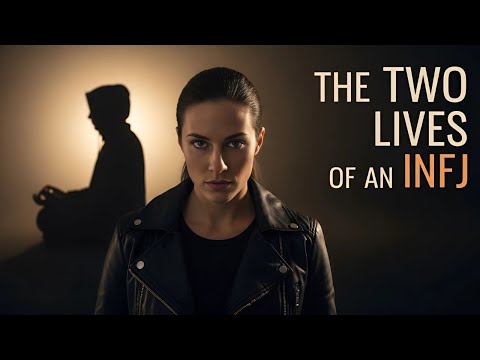
You know how sometimes you feel like two totally different people? Like, one minute you’re all chill and laid back, then suddenly you’re anxious or super passionate about something? It’s wild, right?
Living with duality is a thing. Seriously. It’s like having a party in your head where both sides want to take the spotlight.
And guess what? That’s totally okay! Embracing these different parts of yourself can lead to some eye-opening moments.
So, let’s chat about what it means to live with this kind of duality. It can be messy and confusing at times, but it also shows how beautifully complex we really are.
Understanding the Psychology Behind Living a Double Life: Insights and Implications
Living a double life is, like, more common than you might think. You know, it’s when someone has two distinct identities or personalities in different parts of their life. This could be due to various reasons—sometimes it’s just about survival in certain social groups or situations, and other times, it’s about coping with inner conflicts.
The thing is, this duality isn’t usually a conscious choice. It often happens because we want to meet different expectations or hide parts of ourselves that we think won’t be accepted. For instance, you might be the life of the party with friends but super serious at work. This split can create some serious emotional strain.
When you’re living this way, there can be huge implications for your mental health. Imagine feeling like you need to constantly wear masks; that’s tiring! People who live double lives might struggle with anxiety or depression because they’re not being their whole selves. It can feel incredibly isolating too—like you have nobody to confide in when your worlds collide.
Another important aspect here is guilt. That feeling can weigh heavy on someone leading a double life. You could love one part of your life while feeling ashamed of the other. For example, maybe you love being adventurous with your friends but feel guilty about neglecting responsibilities at home or work.
Sometimes this duality stems from fear. Fear of rejection if people knew the truth about who you really are can keep you trapped between two identities. And let me tell you; this isn’t just a psychological game—it affects your daily actions and relationships.
So how does this behavior evolve? Well, it often starts young; maybe as kids we adapt our personalities based on our surroundings—home versus school versus friends—trying to fit in wherever we go. Over time, these adaptations can harden into separate identities that feel necessary for survival.
What happens next? You start seeing these behaviors spill over into adulthood. You might find yourself acting differently around different groups of people without realizing how exhausting that is! Those shifts might even affect relationships with loved ones who feel kept at arm’s length because they’re only seeing one side of you.
And there’s also the risk of losing touch with your true self when living within these boundaries too long. Without genuine connections and honesty, things get messy emotionally. Relationships can falter because it’s hard for others to know and trust someone who keeps major aspects hidden.
In therapy—or just through self-reflection—you might learn how to integrate those separate parts instead of battling them against each other. You know? The journey to embracing both sides means working through fears and guilt while recognizing that both sides are a part of who you are as a complete person.
So yeah, living a double life has deep psychological roots and impacts more than just the individual—it can ripple through relationships and lead to emotional struggles if not addressed properly. Finding balance is key!
Understanding Dissociative Identity Disorder: Exploring Life with Two Distinct Personalities
Dissociative Identity Disorder (DID) is one of those conditions that might sound super complicated, but let’s break it down. It’s essentially when someone has two or more distinct identities or personality states. These identities can have their own names, ages, histories, and characteristics. Imagine having different sides to your personality that pop up depending on the situation. It’s not just mood swings; it’s a whole different experience.
People with DID often have gaps in memory too, which is pretty wild when you think about it. One identity might not know what the other has done! This can lead to confusion and even frustration sometimes. Picture this: you’re at a party, and suddenly you realize you don’t remember half the night because another part of you took over without warning.
What causes DID? Well, it usually stems from severe trauma during early childhood, like physical or emotional abuse. The mind is incredibly adaptive and sometimes creates these separate identities as a way to cope with pain or stress. It’s like your brain’s way of saying, “I can’t handle this right now,” and so it pulls out various personalities to help manage the chaos.
Here are some key things to understand about living with DID:
Many people living with DID report feeling like they’re watching their lives unfold from a distance—almost like being in a movie. It can be really unsettling when one part of you feels completely disconnected from another part.
And let’s talk therapy—it’s crucial for managing DID. Therapists often help individuals integrate these separate identities into a more cohesive self while processing past trauma. So picture counseling sessions being kind of like having heart-to-hearts with all your inner selves rather than just one person.
It’s important to recognize that people with DID aren’t just pretending; they’re navigating complex internal landscapes every single day! Each identity serves a particular purpose for coping with life’s difficulties—even if some are more chill than others.
Living with duality means embracing different aspects of yourself while coping through challenges along the way. Seriously, think about someone trying to juggle all these parts while also living life as best as they can! Patience and understanding go a long way for both those living with DID and their loved ones.
In short, Dissociative Identity Disorder is more than just having “multiple personalities.” It’s an intricate mix of trauma response and identity formation that deserves compassion and support instead of stigma or misunderstanding. The journey is tough but not impossible; embracing each side takes courage—like seriously big-time courage!
Embracing Duality: Understanding the Balance of Opposing Forces in Mental Health
Living with duality in mental health can feel like, well, walking a tightrope. You might find parts of you that clash, like the carefree spirit battling the responsible adult. Embracing this duality means understanding that it’s totally okay to feel conflicting emotions or aspects of your personality.
Understanding Duality is about recognizing that we all have different shades within us. Think about it: one day you might feel on top of the world, while the next day you’re just dragging yourself through. This isn’t just mood swings; it’s part of being human! And what’s wild is that these opposing forces can be powerful teachers if you let them.
Why Is This Important? Well, when you acknowledge these contrasting sides, it opens up avenues for growth and self-acceptance. Rather than forcing yourself to fit into one box or another (which hardly ever works), you can learn to appreciate both sides. You know how sometimes you feel confident in a social setting but super shy at work? Both feelings are real and valid!
- Self-Acceptance: Accepting different parts of yourself builds resilience. When tough times hit, your varied experiences can help you cope better.
- Coping Mechanisms: Having multiple perspectives means more tools in your mental health toolkit. If one strategy isn’t working today, there’s always another way to tackle things.
- Empathy Development: Understanding your own duality makes it easier to empathize with others. You see their struggles and recognize that everyone has their own battles.
Think about someone who really gets anxious but also finds joy in creating art. That tension is part of their beauty—one foot in worry while the other dances in creativity! Learning to balance moments of doubt with those bursts of inspiration is crucial.
Remember, embracing duality doesn’t mean living in chaos; it’s more like learning to juggle without dropping everything. You get better at handling all these feelings as they come along.
Anecdote Time! I once knew someone who constantly battled between wanting to stay home binge-watching shows and feeling a pull toward spontaneous adventures with friends. Every weekend was a tug-of-war! Eventually, they discovered joy by balancing both—setting aside cozy nights for shows while also planning fun outings now and then. It was like finally finding their groove!
To wrap it up (but not really), embracing duality is all about realizing that opposing forces are not enemies; they’re partners in this wild ride called life. So give yourself permission to acknowledge both sides, because that balance can lead to deeper understanding and a richer experience overall!
Living with duality can feel like walking a tightrope sometimes. You might find yourself balancing different sides of your personality, and let me tell you, it’s not always easy. One minute you’re the life of the party, cracking jokes and lighting up the room, and the next, you’re curled up on your couch binge-watching your favorite show, feeling a bit like a hermit. It’s like you’ve got these two versions of yourself constantly vying for attention.
I remember when I first started noticing this in myself. There was this time when I’d just crushed it at a networking event—seriously, I was on fire! But by the next morning, I was hit with this wave of anxiety, feeling overwhelmed by all those new connections. It was confusing because how could I be both confident and anxious?
There’s beauty in embracing these different facets though. It means you’re adaptable. You can relate to different people and situations in ways that others might not. Maybe you can turn it into something creative or productive—like writing, art, or even just sharing stories with friends about your experiences.
But sometimes it feels heavy too. Like you’re putting on a mask for the world. You want to be true to yourself but wonder which version of you is actually “real.” Seriously, though: are they really separate? Or are they just reflections of different experiences? That’s where acceptance comes in.
Embracing duality is about acknowledging that life isn’t black-and-white; it’s messy and colorful. You have all these shades in between that make you who you are. And honestly? That complexity adds depth to your character and life experience.
So next time you’re feeling pulled in two directions—know it’s okay to hold space for both sides of yourself. Life’s too short not to let them both shine!