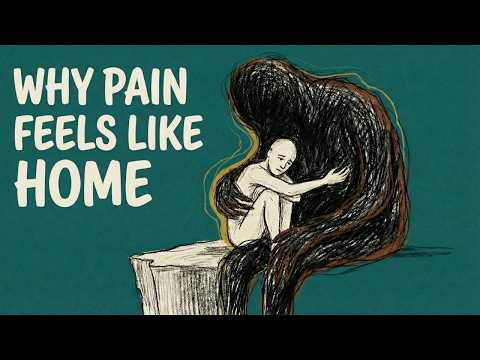
You know those days when you just feel… sad? Like, heavy heart kinda sad? It can be tough.
But here’s the thing—sometimes, that sadness can actually feel comforting. Weird, right?
Well, it turns out that there’s a whole psychology behind why we might find a little bit of solace in our tears.
Like, when you think about it, sadness is part of being human. It connects us to our emotions and even to each other.
So let’s explore this whole idea together! You might be surprised at how deep the rabbit hole goes.
Understanding the Paradox of Comfort: Why Our Comfort Zones Can Hold Us Back
So, comfort zones. We all know them, right? They’re those cozy little places where we chill out and feel safe. But here’s the kicker: they can also be like quicksand, slowly pulling you down without you even noticing it. Seriously, it’s wild how our minds work.
When people find themselves stuck in sadness or other heavy emotions, they often retreat to their comfort zones. It feels nice there, you know? But hanging out there for too long can stop you from growing and exploring new sides of yourself.
Think about this: have you ever had a friend who always goes back to the same unhealthy relationship? They might feel comfortable in the drama or chaos because it’s what they know. They get used to the sadness, thinking it’s better than facing the unknown. But really, staying there keeps them stuck.
Here are a few reasons why comfort zones can be tricky:
- Fear of Change: Change can be scary! Even if it means leaving behind something painful.
- Familiarity Breeds Complacency: When things are familiar, we often don’t feel the urge to move forward.
- The Illusion of Safety: Comfort zones create a sense of safety but that doesn’t mean they’re good for us.
- Avoidance Mechanism: We sometimes avoid discomfort instead of confronting emotions that need attention.
Now let’s talk about how this ties into sadness. Imagine someone feeling really down after a breakup. They might eat ice cream on the couch every night—totally normal, right? But if a week turns into months of doing nothing but that, they’re not addressing their feelings—they’re just numbing themselves.
Finding comfort in sadness is complicated. You might cling to those feelings because they’re part of your identity now. It feels easier than going out and trying new things or meeting new people; I mean, who wouldn’t want to stay curled up on their couch with Netflix?
But here’s where things get real: stepping outside of your comfort zone doesn’t mean abandoning your feelings. Instead, it means allowing yourself to experience life fully—even if that includes discomfort.
It’s like when you’re exercising for the first time after being inactive—yeah, it’s tough at first! But once you push through that initial reluctance and discomfort, you start seeing real progress. That satisfaction is what stepping outside your zone can bring when dealing with sadness or any other tough emotion.
So, next time you feel like curling up in that sweet spot where things seem comfortable but stagnant—remember that growth often lies just outside those four familiar walls. Embrace discomfort as part of healing and moving forward; it’s like planting seeds for a more fulfilling tomorrow!
Understanding the Paradox: Why We Find Comfort in Misery and What It Means for Our Mental Health
So, let’s talk about this intriguing paradox: why do we often seem to find comfort in misery? It’s a pretty complicated topic, but when you break it down, it starts to make sense.
First off, there’s this thing called emotional regulation. You know how sometimes, when we’re feeling down, listening to a sad song just hits right? It’s like the artist gets what we’re going through. This process helps us connect with our feelings and, oddly enough, can be comforting. It creates a shared sense of experience. When you feel sad and hear someone sing about heartache or loss, it can be almost like a hug from afar.
Then there’s the idea of nostalgia. We often romanticize sad memories because they remind us of who we are or what we’ve been through. Seriously! Think about the times you’ve sat with friends and reminisced about tough times; there’s comfort in knowing others have felt just as lost or lonely. It gives us a sense of belonging and reminds us that pain is part of life—a shared human experience.
And let’s not forget about control. Sometimes feeling miserable allows us to take control over our emotional states. If you know what makes you sad—like watching that tear-jerker movie—you can choose to embrace it rather than face unexpected emotions that might be bubbling under the surface. It’s like saying, “Yeah, I’m going to dive into my sadness because at least I know what I’m dealing with here.”
However, while finding comfort in misery can have its perks, it can also take a toll on our mental health if we’re not careful. Being stuck in that mind space for too long might lead to things like anxiety or depression creeping in—kind of like quicksand sucking you in when you’re already feeling low.
So yeah, finding solace in sadness isn’t all bad—it helps us cope and understand ourselves better—but moderation is key! Embrace those feelings but also remember to reach out for support (like therapy or talking with friends) so you don’t get too deep into that pit of despair.
In essence, humans are complex beings who dance between light and dark emotions. Acknowledging both sides allows for growth and healing. So next time you catch yourself enjoying those sad moments a bit too much—just check in with yourself! What’s behind that urge? And hey—it’s totally okay to want comfort during tough times; we’re all just trying to navigate this wild ride together!
Embracing Sadness: Discovering Comfort in Your Emotions
Embracing sadness can seem like a heavy lift. We often think of it as something to avoid or push away, right? But really, sadness is a natural part of life. It’s just like any other emotion—it’s there for a reason. The thing is, allowing ourselves to feel this way can lead to some surprising benefits.
So, you know that feeling when you’re all bummed out after watching a sad movie? Maybe it hits you in the gut and brings tears to your eyes? Well, that emotional release can actually be comforting. It reminds you that you’re human, too. When you allow yourself those moments of sadness, it’s like giving yourself permission to be real.
When we embrace sadness, we often find clarity. You might discover what truly matters to you—friendships, goals, or even unresolved issues from the past. Think back on times when you’ve felt down and then realized something important about yourself or your life situation afterward. That’s not just coincidence; it’s part of how our emotions help us navigate life.
Now, let’s break it down into some key points:
The world teaches us that happiness is the goal but embracing sadness means recognizing that all emotions have worth. You know how when it rains for days and everything feels dreary? Once the sun comes out again, everything feels more vibrant and beautiful; that’s similar to how we feel after coming through periods of sadness.
It’s important to remember though: sitting with your feelings doesn’t mean wallowing in them forever. Allowing yourself to feel sad is about acknowledging what’s there and then deciding how long you want to stay in that space.
And just like anything else in life, balance is key! You don’t have to be happy all the time; no one is! So yeah—even if it feels uncomfortable at first—embracing your sadness can actually open doors for growth and understanding.
When was the last time you let yourself feel sad without rushing for distraction? Try thinking about that next time you’re feeling low. Instead of pushing those feelings away—to binge-watch another show or scroll through social media—give yourself a moment of stillness. Feel what you’re feeling without judgment.
Just remember: embracing sadness isn’t a sign of weakness; it’s part of being fully alive!
You know, it’s funny how we often think of sadness as this big, scary monster lurking in the shadows. Like, who wants to deal with that, right? But here’s the thing: sadness isn’t just something we should run away from. Seriously, there’s a kind of comfort to be found in it. When you let yourself actually sit with your feelings, instead of shoving them down or pretending everything’s okay, there’s a certain peace that can come from it.
I remember this one time when I was feeling super low after a breakup—like really low. My friends kept telling me to cheer up and distract myself, but honestly? I found more relief in just letting the tears flow. I’d curl up under my favorite blanket with sad music playing in the background. It felt good to cry; it was like releasing a pressure valve on all those bottled-up emotions. And as weird as it sounds, finding that space to be vulnerable was comforting in its own way.
From a psychological angle, what happens is pretty interesting. Sadness can actually help us process loss or disappointment; it gives us time to reflect and make sense of what’s happened. You know how they say emotions are like waves? They ebb and flow—one minute you’re up and laughing over something silly, and the next minute you’re down in the dumps about life choices. It’s all part of being human!
When you allow yourself to really experience your sadness without judgment, you might find clarity and understanding emerge from that emotional fog. That makes sense because often we rush through our feelings instead of embracing them fully—you follow me? Like when people brush off grief like it’s an inconvenience instead of acknowledging it as part of healing.
So yeah, while nobody wants sadness hanging around for too long, there can be a silver lining if you let yourself feel it genuinely. It’s like you’re saying, «Hey there sadness! Come on in; let’s have a chat.» By accepting those lower moments rather than fighting them off or masking them with distractions (think social media scrolls), you create some space for deeper self-discovery.
In a world that loves happiness and positivity so much, finding comfort in our sad moments is like striking gold—it’s rare but precious! Plus, when we share those experiences? That’s where connection happens. We get to realize we’re not alone in this whole messy ride called life.
So yeah, embracing sadness can actually lead us toward healing and growth—a concept worth considering next time those feelings hit hard!