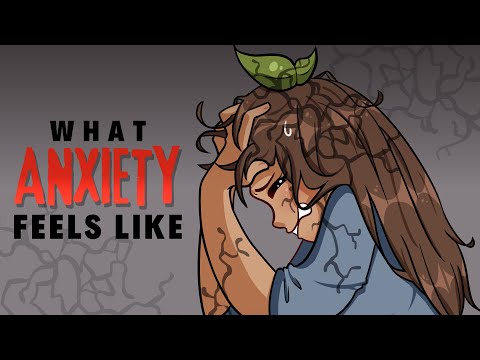
Alright, let’s get real for a sec. Panic attacks? They can hit outta nowhere and feel like you’re losing control. Ever had that racing heart, maybe felt like you couldn’t breathe? Yeah, that’s the thing.
It’s wild because you might think it’s just a freakout moment. But, honestly, there are some telltale signs to look out for. It can be super helpful knowing what’s happening during those intense moments.
And don’t worry—there are ways to handle it when it strikes. Like, seriously! So if you or someone you know has been in that boat, stick around. We’re diving into how to recognize those signs and what to do next!
Effective Strategies to Relieve Panic Attacks: A Comprehensive Guide
Panic attacks can feel like a freight train hit you. Seriously, it’s like out of nowhere you’re overwhelmed with fear, racing heartbeat, and maybe even sweating buckets. So the first step is recognizing when you’re having one. Here are some signs to look out for:
Common Symptoms:
You might notice things like chest pain, shortness of breath, dizziness, or feeling like you’re losing control. It’s essential to know that these feelings can be super intense but are usually not life-threatening.
But panic attacks aren’t just about the physical stuff; they mess with your mind too. You might feel detached from reality or experience a sense of impending doom. All these feelings can happen in just a few minutes—which is why they catch people off guard.
So what do you do when you’re in the middle of one? Here are some strategies that can help:
Strategies for Relief:
- Breathing Exercises: Focusing on your breath can ground you. Try inhaling deeply through your nose for four counts, holding it for four counts, and then exhaling through your mouth for four counts. Repeat until it feels more manageable.
- Grounding Techniques: You can use grounding exercises to distract yourself from the panic. One way is to focus on five things you can see, four things you can touch, three things you hear, two things you smell, and one thing you taste.
- Stay Present: Remind yourself that what you’re feeling is temporary. Repeating simple phrases like “This will pass” or “I am safe right now” can help keep panic at bay.
- Avoid Avoidance: It might be tempting to avoid places or situations where you’ve had panic attacks before. But avoiding them only reinforces fear. Try facing these situations gradually when you’re ready.
- Tighten and Release: This technique involves focusing on muscle tension and release. Tense each muscle group for a few seconds before letting go—this helps alleviate some stress and anxiety.
- Seek Support: Talking about what’s happening with someone who understands—or even a professional—can make a big difference. They can provide reassurance that helps calm those racing thoughts.
Now here’s something important: if panic attacks become frequent or really impact your day-to-day life, reaching out to a therapist or counselor could be beneficial.
You know how sometimes just hearing someone say they’ve been there too makes everything feel less alone? Well, it’s true! Sharing stories with others who get it—whether it’s friends or support groups—can bring comfort.
Lastly, if you’re open to it and working with a mental health professional sounds good—for instance—there are therapeutic approaches like cognitive-behavioral therapy (CBT) that specifically target anxiety and panic issues.
In short, recognizing what’s happening during panic attacks is the first step toward gaining control over them. And don’t hesitate to lean on others—you deserve support along the way!
Empowering Self-Talk: Key Phrases to Calm Yourself During a Panic Attack
When panic attacks hit, it can feel like everything’s spiraling out of control. You might feel your heart racing, sweat pouring, or even things like dizziness and shortness of breath. It’s seriously overwhelming! But here’s the thing: learning to talk yourself through it can really help. You’re basically giving yourself a lifeline in a stormy sea.
Recognizing the signs is the first step. When you start feeling that familiar wave of panic wash over you, take a moment to notice what’s happening. Maybe your chest feels tight or you suddenly feel really hot. Acknowledging these sensations without judgment is key.
So, when you’re caught in that anxious moment, self-talk becomes your best buddy. Here are some phrases that can help calm those racing thoughts:
- This is temporary. Remind yourself that panic attacks pass. They might feel endless at the moment, but they will fade away.
- I am safe right now. Look around. Tell yourself this isn’t a life-threatening situation. You’re okay where you are.
- I can handle this. Believe it or not, you’ve tackled tough situations before! Reassuring yourself builds confidence.
- I’m breathing in calm and breathing out tension. Focusing on your breath while saying this helps anchor you—kind of resets your nervous system!
Let’s imagine you’re out with friends when suddenly you feel it creeping up—a panic attack begins to bubble inside you. You can feel everyone chatting around you but all you’re aware of is that tight feeling in your chest. It’s scary! You could put your hand on your heart and whisper to yourself, “I’m okay,” while taking slow breaths.
Also, remember that repetition matter; saying these phrases repeatedly can create a soothing rhythm in your mind—like a comforting mantra in a storm.
You might find it helpful to write these phrases down, maybe keep them on hand in case things get rough. Slip them into your pocket or even store them on your phone so they’re always within reach.
In moments of panic, self-talk isn’t just about what you’re saying but about how you’re feeling as those words sink in. The more you practice using these phrases during calmer times, the more natural they’ll feel when anxiety strikes.
Finally, it’s totally okay if things don’t change right away—it takes time! Be gentle with yourself and keep practicing; building this kind of inner dialogue is a powerful tool for regaining control during panic attacks.
Just remember: You’re not alone in this struggle, and every small step counts!
Understanding the Differences: Panic Attack vs. Anxiety Attack – Key Insights and Coping Strategies
So, let’s talk about something that many people have experienced but often get mixed up: panic attacks and anxiety attacks. Seriously, understanding the differences between the two can help you or someone you know feel a bit more in control when those overwhelming feelings kick in.
First off, panic attacks are intense episodes that pop up out of nowhere. You might be chilling on your couch or grocery shopping when suddenly your heart races like you’re running a marathon. You could feel dizzy, sweaty, or even think you’re losing it. These episodes can last for a few minutes but may feel like an eternity. Common symptoms include:
- Racing heartbeat
- Shortness of breath
- Sweating and chills
- Chest pain
- Nausea
- Derealization (feeling detached from reality)
Picture this: My friend Jake was just watching TV when he felt like the walls were closing in on him. His palms got sweaty and he thought he was having a heart attack. Talk about terrifying! That’s what makes panic attacks so shocking—they just kind of hit you without warning.
Now, anxiety attacks, on the other hand, are more of a gradual buildup of stress and worry over time. They’re typically tied to specific situations that make you anxious—like giving a presentation at work or dealing with relationship issues. You might feel restless or have trouble concentrating, and these feelings can linger for days or even weeks before they peak into what feels like an “attack.” Some signs include:
- Restlessness
- Tension headaches
- Irritability
- Muscle tension
- Trouble sleeping
- Breathing exercises: Try inhaling deeply through your nose for four counts, holding for four counts, and exhaling through your mouth for six counts.
- Grounding techniques: Focus on your surroundings by naming five things you see or hear.
- Avoid caffeine and sugar: These can make symptoms worse!
- Meditation or mindfulness practices to stay present.
- Cognitive-behavioral therapy (CBT): This helps reframe negative thoughts contributing to anxiety.
- A support network: Talking about those feelings with friends or family can really make a difference.
Remember how we mentioned Jake? Well, before his panic attack hit out of the blue, he had been stressing over his job situation for weeks! That build-up led to that unexpected explosion of panic.
Coping with both types can look pretty different too. For panic attacks:
Immediate strategies include:
For anxiety attacks:
Coping methods might involve:
It’s all about finding what works best for you! So if you ever find yourself caught in this whirlwind of emotions—know that it’s okay to reach out for help too.
Understanding these differences not only helps you manage them better but also makes it easier to communicate what you’re feeling if you’re talking to friends or professionals about it. They don’t always look the same; recognizing them is key to feeling less alone when times get tough!
You know, panic attacks can hit you like a ton of bricks. One moment, you’re just going about your day, and then bam! Your heart starts racing, your palms get sweaty, and suddenly it feels like the walls are closing in. It’s kind of scary, isn’t it? I remember this one time when I was out with friends at a concert. The crowd got super packed. Out of nowhere, I felt this wave of panic wash over me. It was like my body decided to freak out for no good reason. Totally caught me off guard.
So what are some signs that you might be having a panic attack? Well, there’s the rapid heartbeat and shortness of breath. You might feel dizzy or lightheaded too. And let’s not forget that feeling of impending doom like something really bad is about to happen. It’s overwhelming and can leave you feeling confused and scared.
But hey, if you find yourself in one of those moments, there are things you can do to help calm yourself down. First off, try to focus on your breathing—like seriously concentrate on taking deep breaths in and out. Counting can help with that: inhale for four counts, hold for four counts, exhale for four counts—just keep repeating until you feel a bit steadier.
Another thing that can help is grounding techniques—these are pretty cool! You could look around and name five things you see or listen for three different sounds nearby. It helps pull your mind away from those racing thoughts.
And don’t forget about reaching out to someone if things feel too overwhelming. Seriously! Just talking to a friend or family member who gets it can make such a difference.
Panic attacks can feel super isolating, but knowing you’re not alone in this can be comforting—a lot of people go through them at some point or another. If they do happen often though, it might be a good idea to chat with a professional who can guide you through understanding what’s happening.
So the thing is: recognizing the signs is half the battle; knowing how to handle them when they come knocking is key too! Life’s already complicated enough without these sudden freak-outs messing up our vibe!