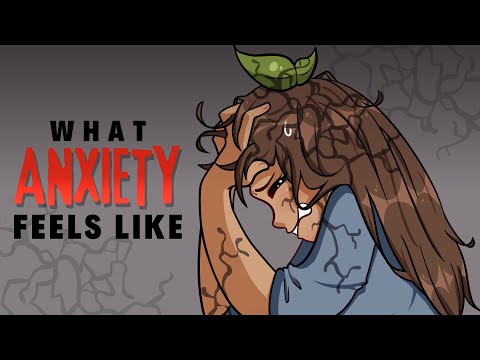
Hey, so, let’s talk about anxiety. You know, that annoying little voice in your head that just won’t quit? It can sneak into our daily lives when we least expect it.
Maybe you feel it when you’re rushing to meet a deadline or before a big presentation. Like, your heart races and your palms get sweaty. Sound familiar?
A lot of people think anxiety is just being super stressed out. But it can show up in sneaky ways that might surprise you. It’s not always the dramatic stuff—sometimes it’s just everyday moments that feel overwhelming.
So, if you’ve been feeling off lately or questioning some of your reactions to stuff, let’s break down what to look for. Trust me—you’re not alone in this!
Understanding the Impact of Anxiety on Daily Life: Key Insights and Strategies
Anxiety can be a real thief of joy, right? It sneaks in and takes over your daily life, affecting everything you do. You wake up, and it hits you like a ton of bricks. Your heart races, and suddenly, you’re stressing about what the day might bring. So, what does anxiety look like in daily life?
First off, let’s talk about those physical symptoms. You might feel a knot in your stomach or get sweaty palms even if there’s no immediate danger around you. It’s like your body is always on high alert, ready for something that never quite comes. This constant state of tension can wear you down over time.
Then there’s the emotional toll. Anxiety can make you feel like you’re stuck in a loop of worrying thoughts. Maybe you’re overthinking every little thing—like whether you said the wrong thing to a friend or how you’ll handle that big meeting at work. And when those thoughts pile up, they can lead to feelings of frustration or hopelessness.
And let’s not forget the impact on relationships! When anxiety rears its ugly head, it can be tough to connect with others. You might cancel plans because the thought of socializing feels overwhelming. I mean, who hasn’t bailed on plans just because staying home felt easier? But then that isolation can make things worse, creating a vicious cycle.
Now, how do we deal with all this? Strategies are key.
- Mindfulness: Practicing mindfulness helps ground you in the present moment instead of spiraling into worry about the future.
- Breathe: Simple breathing exercises can help calm those racing thoughts and physical symptoms.
- Talk it out: Sharing what you’re feeling with someone trustworthy can lighten the load immensely.
- Limit caffeine: Too much coffee or energy drinks can ramp up anxiety levels—so maybe switch to herbal tea!
- Adequate sleep: It sounds basic but getting enough rest is crucial for managing anxiety.
The truth is that everyone experiences anxiety differently; what works for one person may not work for another. But by recognizing how it shows up in your life and trying some strategies to manage it, you’re taking steps toward feeling more like yourself again.
Remember: being proactive about mental health isn’t just important; it’s vital. And taking baby steps toward balance is always worth it!
Understanding Situational Anxiety: Causes, Symptoms, and Coping Strategies
Anxiety can be a sneaky little devil. You know, it creeps up on you during moments of stress or change. This is what we call **situational anxiety**. It’s not like some people have it all the time; instead, it pops up in specific situations that make you feel uneasy or overwhelmed.
So, let’s break this down a bit. What causes this kind of anxiety? Sometimes, it’s tied to **stressful life events**. Think about things like starting a new job, moving to a new place, or even public speaking—classic triggers! These moments can throw your brain into overdrive, causing that anxious feeling to bubble up inside.
Now you might be wondering how to spot situational anxiety when it’s knocking at your door. Symptoms can vary widely from person to person, but here are some common ones:
- Increased heart rate: Your heart feels like it’s racing when you’re in a nerve-wracking situation.
- Restlessness: You just can’t sit still or focus.
- Sweating: Even if it’s not hot outside!
- Nausea: You might feel butterflies—or more like angry bats—in your stomach.
- Tension headaches: That tight feeling creeping into your forehead.
I remember when my friend Sarah got super anxious before her big presentation at work. She was sweating bullets and her hands were shaking the whole time she practiced. Yet once she got up there and started speaking? She totally crushed it! That feeling of anxiety can be intense but often fades as you face the situation head-on.
Now let’s chat about some ways to cope with situational anxiety—because nobody wants to feel like that all the time! Here are some strategies that could really help:
- Prepare ahead of time: Whether it’s practicing a speech or planning for an event, being prepared can seriously ease anxiety.
- Breathe deeply: Try taking slow, deep breaths when anxiety creeps in—inhale for four counts and exhale for six counts.
- Visualize success: Picture yourself handling the situation with confidence instead of dread; your brain might just believe it.
- Talk about it: Sharing how you feel with someone who gets it can lighten the load and help put things into perspective.
And remember, situational anxiety is normal! Lots of people deal with it from time to time. The key is recognizing those signs and having tools ready so you don’t get stuck in that anxious loop.
So next time life throws something stressful your way—maybe an interview or even meeting new people—just know you’re not alone in feeling anxious about it. You’ve got strategies now, so take them out for a spin!
Understanding Severe Anxiety: Insights into Daily Life and Coping Strategies
Severe anxiety can really turn everyday life into a tough ride. You might feel like you’re walking on eggshells, always waiting for something bad to happen. It’s exhausting and can make simple tasks feel nearly impossible. Let’s break down what it looks like and how you can deal with it.
Recognizing the Signs
You know those times when your heart races for no reason or your palms get sweaty? Those are classic signs of anxiety. It’s not just feeling worried; it’s more intense and can show up in different ways:
- Physical Symptoms: You might notice headaches, stomachaches, or even muscle tension. Your body’s reacting to that anxiety whether you realize it or not.
- Mental Signs: Constant overthinking is super common. You replay situations in your head, worrying about everything you said or did.
- Social Withdrawal: If anxiety hits hard, you might avoid friends or family because social situations feel overwhelming.
Let me tell you a little story here. I once had a friend who loved going out and having fun, but severe anxiety crept in one summer. She started declining invites, feeling that her heart would race at the thought of small talk. The more she withdrew, the more isolated she felt—until one day she realized she couldn’t keep going like this.
Coping Strategies
So if you’re feeling some of these signs in your life—and hey, that’s more common than you’d think—what can you do? Here are some strategies:
- Deep Breathing: When anxiety kicks in, take a moment to breathe deeply. Inhale slowly through your nose for four counts, hold for four counts, then exhale through your mouth for eight counts. It sounds simple but really helps calm that racing heart.
- Talk About It: Find someone who gets it—a friend or therapist who understands what you’re going through can be a lifesaver.
- Routine Matters: Keeping a daily routine gives stability during chaotic times. It doesn’t have to be rigid; just having some structure helps ease anxiety’s grip.
And remember: reaching out for professional help isn’t a sign of weakness; it’s actually pretty brave! Therapists can provide tools and techniques tailored specifically to you.
If severe anxiety is part of your daily life, know that you’re not alone and there are ways to cope with those feelings overwhelming you. Finding support is key and makes all the difference in navigating this tricky landscape. So hang in there—you’ve got this!
You know, anxiety can be a tricky little monster. One minute you’re fine, and the next you feel like your heart’s racing for no reason. It can creep up on you in daily life, pulling you into this whirlwind of worries that seem just out of reach.
I remember a time when I was totally unaware of my own anxiety. Each morning felt like I was gearing up for battle—my stomach churning, palms sweaty—but I brushed it off as just being «busy» or “stressed.” But honestly, it was more than that. I had trouble sleeping too; my mind wouldn’t switch off at night. And when I’d go out with friends? It felt like there were this pressure in my chest and racing thoughts saying things like, “What if they don’t like me?” or “What if something goes wrong?” It’s exhausting.
So, what are some signs that might point to anxiety? Well, pay attention to how your body feels during the day. Are you always fidgeting or biting your nails? Maybe you have an overwhelming urge to check your phone repeatedly, just to distract yourself from what’s really going on inside your head.
Have you noticed if certain situations make you feel trapped or panicked? Like maybe walking into a crowded room makes your heart race? Or perhaps you’re constantly worrying about things that aren’t even happening yet—like what will happen at work tomorrow or how you’ll handle an upcoming event.
Also, do you snap at people without meaning to? Sometimes anxiety can make us irritable because we’re on edge all the time. It’s not fun for anyone involved—the person feeling anxious and those around them.
The thing is, recognizing these signs is such a big step toward understanding what’s happening within you. Once you’re aware of them, it feels like flipping on the light switch in a dark room—you suddenly see where everything is instead of bumping around blindly. And this awareness gives you a chance to talk about it with someone who’s there for support—or even seek help from a professional if things start feeling too heavy.
So yeah, just keep an eye on yourself and how you’re feeling day-to-day. Anxiety likes to hide in the corners of our lives but shining a light on it can help pull it into view. You deserve to feel calm and comfortable in your own skin!