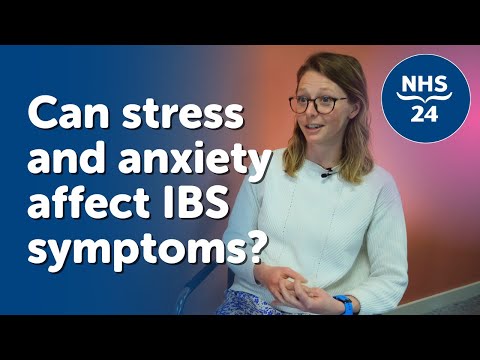
You know that feeling when your stomach’s just not cooperating? Like, it doesn’t matter what you eat; it’s all chaos in there? Well, a lot of folks deal with that on the regular.
Irritable Bowel Syndrome, or IBS, is more common than you’d think. But here’s the kicker: it’s not just about digestion. Turns out, our minds and guts are kinda like best buds—what affects one often shakes up the other.
So, if you’re constantly stressed or anxious, guess what? Your tummy might just join the party! Seriously, it can be a wild mix of emotions and physical symptoms that leaves you feeling super overwhelmed. Let’s dig into how IBS can mess with your mental health and why understanding this connection matters.
Exploring the Link Between IBS and Mental Health: Can Digestive Disorders Trigger Anxiety and Depression?
So, you know how sometimes your stomach just feels off? For millions of people, that feeling can be part of a bigger issue called Irritable Bowel Syndrome (IBS). It’s not just about those pesky cramps or unpredictable trips to the bathroom. The thing is, IBS can seriously mess with your head, too. Let’s break it down.
IBS and Mental Health: A Real Connection
Research shows that there’s a link between IBS and mental health issues like anxiety and depression. You’re not just imagining it if you feel worried or sad about your digestive struggles. Studies indicate that around 40% of people with IBS also have some level of anxiety or depression. Isn’t that something?
The Gut-Brain Connection
Here’s where it gets interesting: your gut isn’t just for digesting food; it actually talks to your brain! Seriously! It’s called the gut-brain axis. This connection means that when your digestive system is unhappy, it can send signals to your brain that might trigger feelings of anxiety or sadness. It’s like a two-way street where bad news travels in both directions.
Stress Symptoms That Affect Your Gut
When you’re stressed out, your body goes into overdrive—think fight or flight mode. Your body might react by slowing down digestion because it thinks you’re in danger. Well, this can lead to all sorts of IBS symptoms: bloating, cramping, and—ugh—that annoying urgency to go the bathroom at the worst possible moments.
But don’t think it’s just one-sided! If you’re dealing with chronic pain and discomfort from IBS, it can wear you down emotionally over time too. That constant worry about where the nearest bathroom is generates stress and anxiety which only worsens the situation—talk about a vicious cycle!
Anecdote Time!
I had a friend who always loved going out to eat but developed IBS after some stressful life changes. They’d get super anxious every time they thought about trying new restaurants because they were scared their symptoms would flare up unexpectedly. This led to avoiding social situations altogether, making them feel isolated and depressed—a classic example of how these two issues intertwine.
Treating Both Ends
If you find yourself caught in this whirlwind of IBS and mental health issues, remember that tackling one often helps with the other! Therapy approaches like Cognitive Behavioral Therapy (CBT) can help manage anxiety while also addressing those digestive woes by changing negative thought patterns.
And medication might come into play as well! Some folks find relief from their IBS symptoms through certain medications that target both gut problems and mood disorders—so it’s worth chatting with a healthcare provider if you’re struggling.
Lifestyle Changes Can Help
Don’t underestimate lifestyle changes either—like diet adjustments or mindfulness exercises—to help manage both your digestive health and mental well-being:
So yeah, if you’re dealing with both IBS and mental health concerns like anxiety or depression, know you’re not alone in this struggle—it’s way more common than you think! Talk openly with a healthcare professional about what you’re experiencing; they’re there to help connect the dots for better overall wellness!
Exploring the Link Between Inflammatory Bowel Disease (IBD) and Mental Health Issues
You know, when we talk about mental health, people often overlook how physical illnesses can play a big role in how we feel emotionally. Take Inflammatory Bowel Disease (IBD), for instance. This includes conditions like Crohn’s disease and ulcerative colitis. These aren’t just gut issues; they can really mess with your mental well-being too.
So, what’s the connection? Well, the symptoms of IBD—like chronic pain, fatigue, and unpredictable bathroom needs—can lead to feelings of anxiety and depression. Imagine having to rush to the bathroom during a social event or missing work because your stomach just won’t cooperate. It’s stressful! This stress can build up over time, making you feel anxious or even hopeless.
Another thing is that living with a chronic illness can create feelings of isolation. You might feel like nobody truly understands what you’re going through. This loneliness? It’s a strong player in the mental health game. Studies suggest that people with IBD report higher rates of anxiety and depression compared to those without these gastrointestinal disorders.
Now let’s break it down a bit more:
- Chronic Pain: Dealing with ongoing discomfort isn’t just physically draining; it wears on your mental state too.
- Medication Side Effects: Some treatments for IBD can have side effects that worsen mood or cause fatigue.
- Lifestyle Changes: Dietary restrictions and lifestyle modifications can lead to feeling deprived or hopeless.
- Sociocultural Factors: Stigma around bowel diseases might make you hesitant to share what you’re feeling.
A friend of mine had Crohn’s disease, and she often shared how hard it was for her mentally. She felt like she couldn’t go out without worrying about where the nearest bathroom was—so she’d skip events altogether. Over time, she became super anxious about social situations and ended up battling depression as well.
It’s also important to remember that mental health issues don’t just happen in one direction; it’s this big cycle! Environmental stressors might trigger an IBD flare-up, which then causes even more anxiety about when the next wave of symptoms will hit.
Treatment options? Yeah, they’re available! A combination of therapy—like cognitive-behavioral therapy (CBT)—and medication for both IBD and any co-occurring mental health conditions can be super helpful. Connecting with support groups is another great way to find community and share experiences.
Ultimately, being aware of this link between IBD and mental health is crucial because it encourages a more holistic approach to treatment. You deserve care that takes both your mind and body into account! So if you or someone you know is dealing with this stuff, remember: reaching out for help isn’t just okay—it’s really necessary!
Understanding IBS Flare-Ups: Common Triggers and Effective Management Strategies
Irritable Bowel Syndrome (IBS) can be a real pain—not just physically, but mentally too. If you’ve ever had those annoying stomach issues that seem to crop up randomly, you’re not alone. A lot of people experience flare-ups, and they can be triggered by a bunch of different factors. Let’s break down what usually sets them off and how to manage those pesky symptoms.
Common Triggers
There are quite a few things that can cause your IBS to flare up. Here are some of the big ones:
- Dietary Choices: Certain foods might make your belly feel worse. Dairy, gluten, spicy foods, and artificial sweeteners are common culprits. You know how sometimes you eat something and just feel off afterwards? Yep, that could be it.
- Stress: Mental health plays a major role here. When you’re feeling anxious or stressed out, your gut can go haywire too—talk about a double whammy! It’s like your brain and stomach have an unspoken agreement to mess with you.
- Lifestyle Factors: Lack of sleep or not staying hydrated? Those can lead to flare-ups as well. Seriously, if you’re running on empty or not drinking enough water, your body will remind you who’s boss.
- Hormonal Changes: For some women, PMS can really kick IBS symptoms into high gear. So if it feels like your stomach knows when Aunt Flo is coming to visit—you’re not imagining it!
Effective Management Strategies
Dealing with IBS is no walk in the park, but there are ways to keep those flare-ups at bay or at least lessen their impact.
- Mental Health Care: Since stress is such a key player in IBS flare-ups, don’t underestimate the power of managing your mental health. Activities like therapy or mindfulness practices can help calm the mind—and in turn, help the gut!
- Diet Tracking: Keep a food diary! Seriously. Noting what you eat along with any symptoms may help you identify patterns over time. You might find that certain meals just don’t vibe with your body.
- Regular Exercise: Getting moving isn’t just good for fitness; it’s great for digestion too! Even light exercise like walking can ease symptoms and improve mood.
- Medication Options: Sometimes it’s necessary to talk to your doctor about meds that could help manage symptoms—there’s no shame in asking for help here!
There was this one time my friend struggled with binge-watching shows during exam week while juggling her course load; she completely neglected her meals. By skipping breakfast and diving straight into study snacks—mostly junk food—she ended up dealing with severe abdominal cramps during exams! It was rough for her emotionally too because anxiety made everything worse.
So yeah, managing IBS isn’t just about what goes down the hatch; it involves how you’re feeling mentally as well. Taking care of both aspects together tends to lead to better outcomes overall.
In short: keep an eye out for triggers, focus on mental health care strategies alongside physical ones, and never hesitate to reach out for support if things get overwhelming! Your stomach will thank you later!
You know, when you hear someone mention Irritable Bowel Syndrome, or IBS for short, the first thing that might pop into your head isn’t usually mental health. It’s more like cramps, bloating, and a sudden dash to the bathroom. But there’s this connection between IBS and mental health that’s kind of fascinating—and like, a bit frustrating too.
Imagine you’re at work, just trying to get through the day. You feel this familiar knot in your stomach. It’s almost like your gut is staging a protest because of stress or anxiety you didn’t even know you were holding onto. That’s where it gets tricky. The way you feel emotionally can seriously impact your gut health. Stress can trigger IBS symptoms, making everything feel like a rollercoaster ride—both in your mind and in your stomach.
I remember this one time when I had this big presentation coming up at work. I was stressed out to the max! My stomach was churning all morning long, and I thought it was just nerves. But after talking with my therapist later on, I learned that my anxiety was actually sending my digestive system into overdrive too. It sort of clicked for me then: my brain and gut were linked in ways I hadn’t thought about.
Now think about it—IBS can really mess with daily life. It can leave you feeling isolated because who wants to talk about their digestive issues at dinner parties? And on top of that stress from IBS itself? Well, you’re basically living with a constant cycle of worry and frustration. Not fun! So it makes sense that many people with IBS report higher levels of anxiety and depression.
What’s wild is that treating one can actually help the other! So if someone works on reducing their stress or addresses their mental health challenges through therapy or mindfulness techniques, guess what? Their IBS symptoms might also ease up a bit! Like finding some silver lining in all this discomfort.
It’s such an intricate dance between our minds and our bodies—a reminder to pay attention to both sides of our health puzzle, because they’re way more connected than we often realize. If you’ve been facing either challenge, especially together—know you’re not alone; you’re part of a bigger picture here!