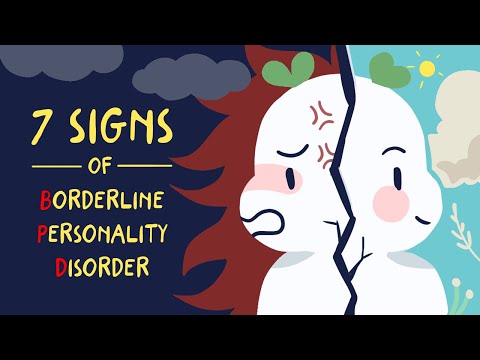
So, you know how sometimes you wake up feeling like a totally different person? Like, one day you’re pumped about your future, and the next you’re just flat-out lost?
Well, that’s kind of what it’s like for people with Borderline Personality Disorder (BPD). Their sense of identity can shift faster than a TikTok trend!
Imagine trying to hold onto who you are when everything around you feels, like, super shaky. It’s confusing, exhausting, and honestly pretty tough.
But understanding these identity changes is key. It helps us see what they’re really dealing with—beyond just the symptoms. So let’s chat about it!
Understanding BPD Rage: Real-Life Examples and Insights
Borderline Personality Disorder, or BPD, is often wrapped in a lot of stigma and misunderstanding. One major aspect is the intense emotions that people with BPD experience, especially anger or rage. It’s not just about getting mad; it’s more like an emotional tidal wave that can come out of nowhere. So, let’s break this down a bit.
When we talk about **rage in BPD**, it usually gets triggered by feelings of abandonment or rejection. For example, imagine you’ve just had a small argument with your best friend. Instead of just feeling upset, the person with BPD might feel an overwhelming surge of anger. This can lead to outbursts that seem disproportionate to the situation—like yelling or even breaking things around them. You know what I mean?
Another component is the **identity changes** that people with BPD often face. They might feel like they’re constantly shifting who they are based on who they’re around. So one minute, they could be super happy and bubbly during dinner with friends but then feel empty and lost later when they’re alone. This instability can fuel feelings of rage too. They might lash out at themselves or others because their self-image is all over the place.
Here are some key points to help you understand this better:
- Intensity: The rage in BPD feels all-consuming, more like a hurricane than simple annoyance.
- Triggers: Abandonment fears usually kick-off these intense feelings.
- Identity Confusion: Constantly shifting self-image can lead to frustration and rage.
- Poor Coping Mechanisms: When someone doesn’t know how to handle their emotions well, explosive reactions might happen.
Let’s say you have a friend with BPD who gets angry when someone forgets to invite them somewhere. It might seem ridiculous on the surface—like they’re making a mountain out of a molehill—but what’s really happening is deeper emotional pain surfacing. In those moments, it’s not just anger; it feels like abandonment all over again.
Also, consider how **relationships** can become battlegrounds for someone living with BPD. One minute everything seems fine; then suddenly there’s this unexpected explosion of rage because something trivial reminded them of being left behind before.
It’s important to approach these situations with empathy and understanding rather than judgment. Recognizing that their rage isn’t just about the current situation can change how both sides react in these moments.
Dealing with this kind of anger isn’t easy for anyone involved—not for the person living with BPD nor their loved ones. That said, therapy often helps immensely in learning healthier coping strategies and recognizing triggers before they develop into raging storms.
So yeah, grasping what it’s like to deal with rage in Borderline Personality Disorder requires not only awareness but also compassion for those experiencing it—and yourself if you’re close to someone affected by this struggle!
Understanding Identity Disturbance in BPD: Real-Life Examples and Insights
Identity disturbance in Borderline Personality Disorder (BPD) can be pretty confusing, both for those living with the disorder and their loved ones. You see, it’s like having this shaky sense of self that changes with the wind. One moment, you might feel super confident and sure of who you are. Then, out of nowhere, you could feel lost or not even recognize yourself. This isn’t just a mood swing—it’s a core part of what makes BPD challenging to deal with.
People with BPD often experience a rapid shift in how they see themselves. It’s like flipping through channels on the TV and finding something new playing every time. This identity confusion can lead to feelings that are intense and overwhelming. You might think, «Am I an artist? A student? A failure?» And these questions can leave you feeling like you’re drifting.
When we talk about **identity disturbance**, we’re looking at a few key things:
- Inconsistent Self-Image: Your perception of yourself may change frequently based on your emotions or situations.
- Conflicted Values: What you believe in might flip-flop too! Maybe one day you’re all about environmentalism, and the next day, you absolutely don’t care.
- Difficulty in Relationships: Because your identity is wobbly, it can affect how you bond with others. You might attach to someone intensely one moment and then push them away the next.
Let’s get real for a sec—this isn’t just textbook stuff; it’s human experience here. For instance, imagine Emily—a 25-year-old artist who loves painting landscapes one week but suddenly decides she wants to be a corporate lawyer the next. It’s not that she doesn’t have potential; it’s just she feels so overwhelmed by her emotions and environment that her self-image keeps shifting.
Another example could be Jake. He’s super outgoing at one party but feels painfully shy at another gathering a few days later—it almost feels like he’s switching personalities based on where he is or who he’s with! It can drive people around him nuts because they aren’t sure which version of Jake they will get.
Now, diving deeper into these shifts—what causes them? Well, emotional instability plays a massive role here. Your feelings can swing wildly from euphoria to despair within moments—you get caught up in this whirlwind without much control over where you’re headed.
Also, experiences from childhood or past trauma often shape these identity issues too. Think about it: if your childhood involved constant changes—like moving towns frequently or having unpredictable family dynamics—it could result in difficulty forming a stable sense of self later on.
So how do people cope? Therapy often helps a lot! Dialectical Behavior Therapy (DBT) focuses on teaching skills for emotional regulation and interpersonal effectiveness—which sounds fancy but basically means learning to manage your feelings better and improving how you connect with others.
Some folks find grounding techniques useful too: like journaling about their feelings or creating vision boards that express their current aspirations or identities; things that help anchor them during emotional storms.
In summary, understanding identity disturbance within BPD isn’t just about recognizing it’s there; it involves empathy for what someone with BPD experiences every day—the ups and downs can seriously feel like riding an emotional rollercoaster non-stop! Remembering that those shifts are part of coping mechanisms helps us support loved ones through their journey toward stability and self-acceptance.
Understanding Identity Disturbance: A Comprehensive Guide to the Identity Disturbance Test
Understanding Identity Disturbance is pretty crucial when you’re looking at something like Borderline Personality Disorder (BPD). BPD can mess with how you see yourself, which is where the Identity Disturbance Test comes in. It’s designed to gauge those shifts in identity that people with BPD often experience.
What’s Identity Disturbance?
Basically, it refers to a shaky sense of self. You might find your values or goals change frequently, and it can feel really disorienting. Imagine waking up one day feeling completely different from who you were yesterday—like flipping through channels on a TV. This is a common struggle for folks dealing with BPD.
Why Use the Identity Disturbance Test?
The test helps pinpoint these identity shifts. It doesn’t just look at feelings but rather how stable your sense of self is over time. When someone takes the test, they typically answer questions about how they view themselves, their values, and even their relationships.
Some Common Signs of Identity Disturbance:
- You might feel like you’re not really sure who you are at times.
- Your goals or interests could seem to change overnight.
- You could struggle in relationships due to this shifting identity.
It’s like being caught in a whirlwind—you can’t grab hold of anything solid. Sometimes this leads to feelings of emptiness or confusion about what truly matters to you.
The Test Itself
It usually consists of several items that ask about your feelings and behaviors related to your identity. For example, you might encounter statements like: “I often feel like I don’t know who I am.” Responding honestly helps clinicians figure out whether an individual faces significant identity issues.
Real-Life Connection
Let’s say there’s someone named Jamie. One week Jamie may be super into art and planning on becoming an artist, while the next week, totally convinced that a tech career is the way to go. This constant shift not only creates stress for Jamie but also makes friendships tough since others may find it hard to keep up with who Jamie really is.
Coping with Identity Disturbance
Awareness is huge here! Simply knowing there are these ups and downs can help anyone start making sense of their experiences. Therapy plays a significant role too; finding a good therapist can guide someone through these valleys and peaks of self-perception.
So yeah, if you’re feeling lost in terms of your identity or suspect that you might have some traits associated with BPD, taking this kind of test could open up new conversations about what you’re experiencing. The thing is, knowing more about this stuff can make it easier to navigate the complexities of living authentically amidst such challenges.
You know, if you’ve ever felt like your sense of self is like a kaleidoscope—constantly shifting and changing—you might get a glimpse into what it’s like to deal with Borderline Personality Disorder (BPD). It’s pretty wild, right? One minute, you feel on top of the world, completely confident in who you are. And then, just like that, it can feel like everything crumbles.
Imagine someone named Mia. She’s super creative and loves painting. One day she feels like a talented artist, and the next day she can’t even look at her brushes without feeling utterly lost. For her, identity changes aren’t just about mood swings; they’re more like complete transformations. She could be the life of the party one moment and then suddenly isolated and convinced no one really cares about her existence.
With BPD, it’s not just shallow or temporary changes—it’s profound shifts in how people perceive themselves and the world around them. You might flip between feeling amazing to believing you’re worthless. That constant tug-of-war can leave someone really exhausted. Plus, relationships may feel like rollercoasters too because how you see yourself often colors how you interact with others.
What’s troubling is that these shifts can influence decisions—like who you hang out with or what career path to pursue—and that creates this cycle where you’re trying to figure out who you even are underneath it all. It’s tough because there’s this longing for stability while being stuck in this whirlwind of self-doubt.
But here’s where therapy comes in handy! Through things like Dialectical Behavior Therapy (DBT), people can learn skills that help manage those intense emotions and start to build a more consistent sense of self over time. Imagine finding tools that help ground you when everything feels chaotic—that’s seriously valuable.
So yeah, grappling with identity changes in BPD is both deeply challenging and incredibly complex. It’s not just about feeling different from moment to moment; it’s about wrestling with your very essence while striving for something more stable—to ultimately find peace within yourself amidst all that turbulence.