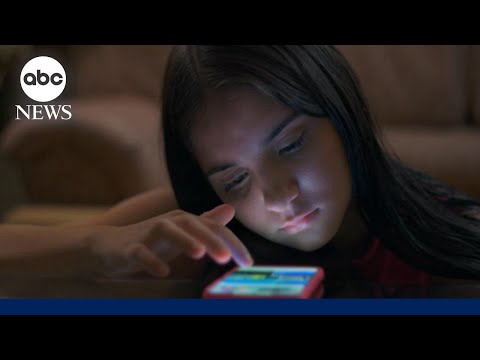
You know how you scroll through social media and suddenly feel a wave of, like, emotions? Yeah, that’s real. Media shapes how we see ourselves and the world.
It’s wild to think about, right? One moment you’re laughing at a meme, and the next, you’re feeling insecure after seeing someone’s perfect vacation pic.
The thing is, this influence isn’t just fluff. It’s psychological—like really deep stuff. It messes with our mood, self-esteem, and even how we connect with others.
So let’s chat about it! What do we absorb from all that content? How does it shape our mental health in ways we might not even realize? Grab your favorite snack; this is gonna be interesting!
Understanding the Misrepresentation of Mental Illness in Media: Key Examples and Impacts
Mental illness has often been misrepresented in media, leading to a whole bunch of misconceptions. When you see someone with a mental health condition in movies or TV shows, they’re often shown as dangerous or unstable. This isn’t the reality for most people dealing with these issues. Seriously, only a small fraction become violent, and yet that’s what we usually see on screen.
One major problem is the way characters are portrayed. Using stereotypes to define someone’s personality isn’t just lazy—it can be harmful. For instance, let’s consider characters like the «crazy» villain or the «mad scientist.» These portrayals suggest that all people living with mental illnesses are somehow dangerous or unpredictable. But many individuals are just like you and me, going about their everyday lives.
Another thing to think about? The media sometimes doesn’t bother explaining what mental illness really looks like. Instead of showing the complex reality—like how devastating depression can be—they focus on more dramatic aspects for shock value. That can make it tough for people who don’t have direct experience with these conditions to understand them properly.
Here are a few examples:
- The «psychopath» trope in thrillers often presents individuals with antisocial personality disorder as cold-blooded killers—a dangerous oversimplification.
- Romantic comedies might depict characters struggling with anxiety as cute or quirky instead of addressing how debilitating it can actually be.
- Documentaries and films about mental health sometimes sensationalize struggles, focusing purely on trauma without showing hope or recovery.
The impact of these portrayals is real. For one thing, they contribute to stigma. When society sees mental illness through a narrow lens—thanks to film and TV—people suffering from anxiety, depression, or any other condition might feel ashamed or misunderstood.
Take my buddy Kyle: he struggled for years with generalized anxiety disorder but was terrified to tell anyone because he thought they’d judge him as “weak” based on what he’d seen in movies and shows. That fear kept him silent far too long and made his struggles even harder to bear.
Additionally, misrepresentation affects policy discussions around mental health care too—you know? If everyone thinks mentally ill folks are dangerous, it becomes easier to ignore their needs for support and proper treatment.
So yeah, when you’re consuming media content—even if it’s just scrolling through social feeds—it’s worth questioning what messages you’re receiving about mental health. It’s important to remember that real-life experiences often don’t line up with what we see on screen. That not only affects how we see ourselves but also shapes how society views those dealing with such conditions every single day.
Exploring the Impact of Social Media on Mental Health: Insights from Research Paper PDF
Social media has become a huge part of our lives, and its impact on mental health is pretty complex. Research shows that it can both positively and negatively affect us. So let’s break it down.
Connection vs. Isolation
On one hand, social media helps you stay connected with friends and family. You can share your life, catch up on news, and even find communities of people who get you. That feeling of belonging is important, especially if you’re dealing with loneliness or anxiety.
But here’s the kicker: while you’re connecting online, it can also make you feel isolated. For example, scrolling through perfectly curated feeds might leave you feeling inadequate or jealous of others. You see everyone else living their best lives, and then you compare it to your own reality.
The Comparison Trap
Research has shown that social media can lead to what’s called “social comparison.” Basically, when you see someone else’s highlights—like their amazing vacation pics or their new job—you might start feeling down about yourself. It’s like being in a constant competition that nobody signed up for! The thing is, most people only post the good stuff; they’re not sharing the bad days or struggles.
Cyberbullying
Another downside? Cyberbullying. Sadly, social media platforms can be breeding grounds for negative interactions. If someone gets targeted online, it can seriously affect their self-esteem and overall mental wellness. Think about it: a single mean comment can stick with you way longer than a thousand compliments.
FOMO (Fear of Missing Out)
You might’ve heard about FOMO—this feeling that everyone else is having fun without you. It spirals when you’re seeing events or activities on social media while sitting at home alone. This constant exposure can lead to anxiety and depression as well; feeling like you’re left out again and again really takes a toll.
Screens Over Sleep
Here’s another aspect to think about: screen time before bed often messes with your sleep patterns. The blue light from devices can delay melatonin production—so instead of winding down at night, you’re up scrolling through posts! Less sleep means more crankiness and stress during the day.
The Flip Side: Positive Community Building
Now don’t get me wrong; social media isn’t all doom and gloom! There are tons of positive aspects too. Many people find support groups online and connect with others facing similar challenges—be it mental health issues or chronic illnesses. Knowing there are people out there who understand makes a big difference!
The Role of Influencers
Let’s also talk about influencers who are open about their mental health struggles; they help normalize these conversations! Hearing someone say they battle anxiety or depression lets others know they’re not alone in this journey.
In essence, social media’s influence on mental health is like a double-edged sword; there are positives but also significant downsides that need awareness and balance. It’s all about how we use it! Just remember to check in with yourself now and then—are those endless scrolls helping or hurting?
Understanding the Impact of Social Media on Mental Health: Key Insights and Strategies
Social media, man, it’s like the cool kid at school that everyone wants to hang out with. But just like that kid can sometimes bring drama, social media can really mess with our mental health. Here’s the thing: while it can connect us and help us feel part of something bigger, it can also lead to feelings of loneliness and anxiety.
To break it down a bit, here are some key insights:
And then there’s the whole “like” game. Ever notice how a notification makes your heart race? That instant gratification is addictive. But when validation from likes becomes your only source of self-worth? Not cool.
Let me share something personal for a sec. A buddy of mine got super into posting on social media. He was always chasing those likes and followers, but over time he became more anxious because he thought he had to keep up this perfect image. He ended up feeling really isolated because his online persona didn’t reflect his true self.
So, what can you do if you find yourself stressed out by social media? Here are some strategies:
Taking control is crucial here! Sometimes stepping back helps you see things more clearly and focus on what really matters—your mental health.
In sum, remember that social media is like a double-edged sword; it has its perks but also its pitfalls. Taking time for yourself away from those screens can make all the difference in keeping your mind in check. So take care of yourself in this digital world!
You know, it’s kind of wild how much the media shapes our mental health. Like, really think about it. Whether it’s social media, news articles, or those reality shows we love to binge-watch, what we see can totally affect how we feel about ourselves and the world around us.
I remember scrolling through my Instagram feed one day. There’s this friend of mine who always posts these flawless selfies with the perfect lighting and killer captions. And honestly? It got to me. I caught myself comparing my own life to those highlight reels. I mean, who doesn’t do that? The thing is, most people don’t show the unfiltered version of their lives—like struggling with anxiety or feeling lonely even in a crowd.
Media can create these unrealistic standards and expectations, you know? It’s like we’re all in this competition for likes and followers without realizing the toll it can take on our self-esteem and mental well-being. Seeing so many “perfect” lives can stir up feelings of inadequacy or anxiety. You might start to think your life is somehow less valuable because it doesn’t look as good online.
And let’s not even get started on news media! Constant coverage of disasters, crime rates, or health crises can induce this sense of helplessness or fear about living your daily life. It’s like being bombarded with negativity day in and day out can really wear you down over time.
Studies show that excessive social media use is linked to higher levels of depression and anxiety—makes sense, right? When we consume all that content without a break, our brains don’t have time to process what we’re feeling. It’s like trying to drink water from a fire hose; it just overwhelms us.
What I find interesting is that some researchers suggest using media mindfully could actually help enhance mental health positively! Like following accounts that promote self-love, mental wellness tips, or positive stories can create a supportive environment online—something that boosts rather than drains you.
So yeah, while media definitely has its downsides when it comes to our mental health, there’s also potential for good if we learn how to navigate it wisely. Balance seems key here: take breaks when needed and curating your feed with intentionality could make a world of difference in how you feel daily.